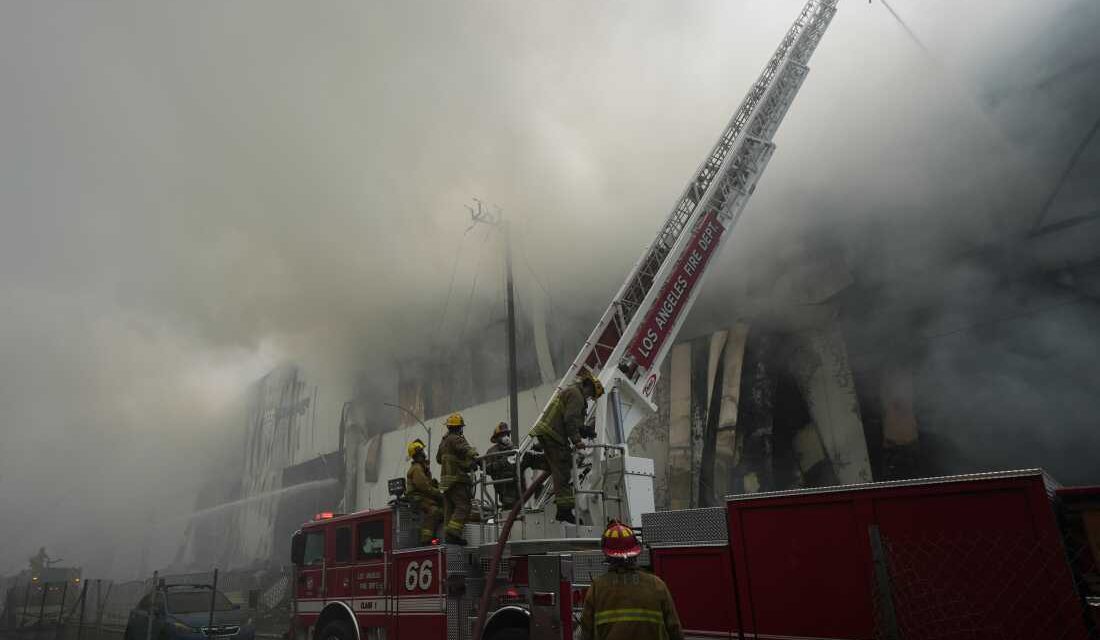
Firefighters in Boyle Heights, Los Angeles, are combating a persistent fire at a frozen-food warehouse. It’s been six days since the blaze started, and efforts to access the interior are still ongoing. This facility spans approximately 500,000 square feet and is fitted with solar panels and freezer-level insulation. Located near residential areas, city officials have cautioned residents to remain indoors or use masks because of smoke pollution.
Long Duration of Cold Storage Facility Fires
Typical warehouse fires can be extinguished in one day. However, cold storage facilities present significant challenges, often extending firefighting operations over several weeks. According to Jamie Stewart, spokesperson for the Los Angeles Fire Department, these buildings are heavily insulated, which complicates efforts to put out the fire. Entering the building remains risky due to towering steel racks, and insulation hampers traditional ventilation methods meant to release smoke and gases.
Chief Jaime Moore of the Los Angeles Fire Department noted the difficult conditions. The building’s layout resembles large retail warehouses, with massive shelving units filled with frozen goods. Inside, there’s an enormous stockpile—about 85 million pounds—of frozen food, which includes a variety of meats.
“Due to the compromised roof, we are unable to send firefighters inside,” Moore said. “The risk is too great given the precarious structure of the building.”
Firefighters continue to dismantle parts of the exterior walls to manage the blaze and employ powerful water streams to control the fire.
Potential Cause of the Blaze
Lineage Logistics, operating the facility, suspects that subcontractors working on solar panels started the fire. However, the company has yet to confirm the official cause and is collaborating with fire investigators. Initial findings indicate that the company leasing the warehouse was renting the roof space to solar panel workers.
Moore mentioned, “Attempts were made to extinguish the fire, followed by a 911 call, and efforts have been ongoing since.”
Contents of the Warehouse
The Big Bear facility stores various frozen foods, including seafood, pork, beef, and poultry. These products are distributed to grocery stores and restaurants on the U.S. West Coast. Further details regarding food and affected businesses remain undisclosed by Lineage.
Air Quality Concerns
The South Coast Air Quality Management District has extended warnings about air pollution. Microscopic particles from the fire can penetrate deep into the lungs. Residents are advised to reduce physical activity. They should keep their windows and doors closed and switch off ventilation systems.
Those needing to venture outside should wear protective masks such as N95 or P100 models. Councilmember Ysabel Jurado, representing Boyle Heights, stresses the need for transparent information regarding the materials and chemicals involved in the blaze. Air quality assessments should also be accessible in both English and Spanish.
“Residents observe smoke, smell odors, and find ash near their homes,” Jurado said, emphasizing the need for detailed information on the fire’s impact.
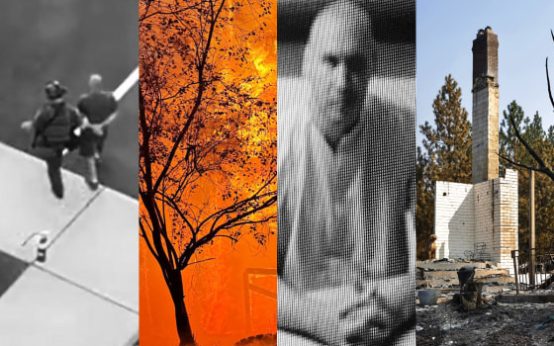 Suspect in Spokane Fires and His Troubled Past Revealed
 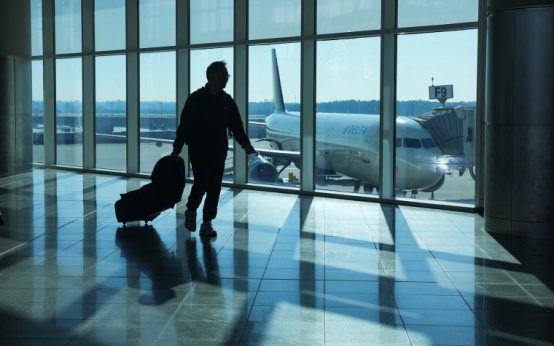 Delta Flight Emergency Evacuation in Atlanta
 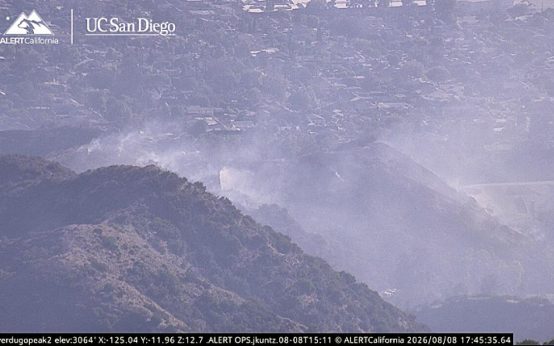 Brush Fire Engulfs Burbank Hills on Saturday Afternoon
  Haitian Nationals Face Deportation Risks as TPS Ends
  Doug Lang Appointed as Portage’s New Parks Superintendent
  Florida Businessmen Charged with Felonies for Using Mothballs to Deter Nesting Birds