
Norway’s World Cup match against Senegal took place as scheduled at MetLife Stadium on Monday night, despite earlier heavy rain. In contrast, France’s match against Iraq in Philadelphia experienced a delay of 2 hours and 10 minutes due to heavy rain and thunderstorms.
The U.S. National Weather Service had issued a flood watch affecting parts of New York City and New Jersey, including Bergen County, where MetLife Stadium is situated. Roads leading to the stadium had standing water four hours prior to the scheduled 8 p.m. EDT kickoff; however, the rain had subsided by the time the game began.
“Showers and potential thunderstorms with high amounts of moisture are expected to move through the area this afternoon and tonight,” stated the NWS. “These showers could produce up to 2 inches of rainfall per hour, potentially causing flash flooding, especially in urban and poor drainage areas.”
The World Cup regulations do not include specific weather conditions that would delay or interrupt matches. FIFA asserted that they would monitor conditions in real time and use contingency protocols if necessary, maintaining close collaboration with local governments, medical experts, and emergency authorities.
New York City Mayor Zohran Mamdani advised ticket-holders to start their journey to the stadium at least four hours before kickoff, acknowledging the possibility of severe thunderstorms and strong winds. Emphasizing safety, Mamdani urged residents to plan accordingly and travel safely.
The open-air MetLife Stadium, which seats approximately 80,000, was built over steel pilings in the New Jersey marshlands. Weather-related delays are not uncommon. During last year’s Club World Cup in the U.S., six out of 63 games were delayed by weather for a total of 8 hours and 29 minutes.
Previous instances of weather affecting matches included England’s friendly against Costa Rica on June 10 in Orlando, Florida, which was delayed by one hour due to a storm. Similarly, a June 5 friendly between Saudi Arabia and Puerto Rico in Austin, Texas, was suspended in the 21st minute and resumed about 90 minutes later.
According to World Cup regulations, if a match is abandoned due to force majeure, it should continue from the point of interruption rather than restarting completely, maintaining the existing scoreline.
FIFA has the authority to cancel, reschedule, or relocate matches if necessary for reasons such as force majeure or concerns related to health, safety, or security.
AP writer Jennifer Peltz in New York contributed to this report.
 Court Rules Against Third-Country Deportation Policy
  Claims to Nazi-Looted Art Spark Legal Battle in California
 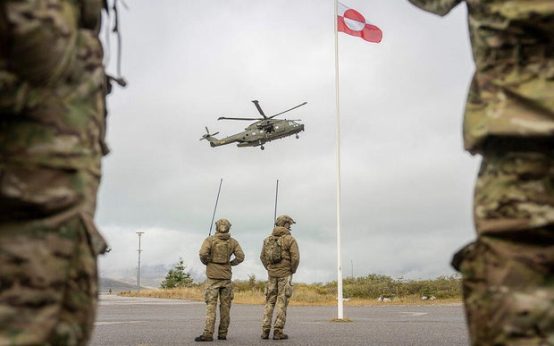 U.S. Secures Strategic Control Over Greenland
  U.S. and Denmark Move Towards Security Agreement Over Greenland
  Chicago Cubs Fall Short Against Cincinnati Reds, Leaving Opportunities Unclaimed
  Teen Pickleball Star Faces a Busy Schedule