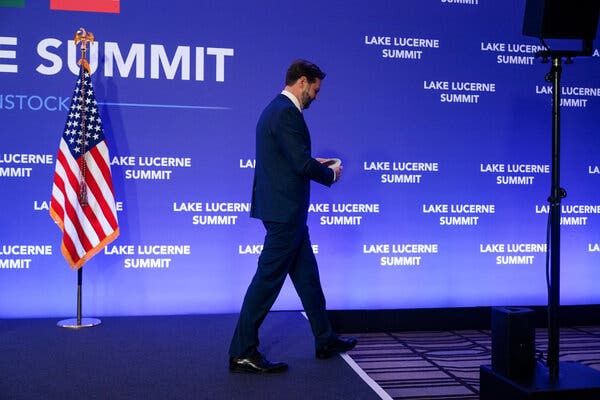
The United States has momentarily lifted oil sanctions against Iran as part of a significant policy shift. This decision grants Iran a 60-day exemption, allowing it to trade oil in U.S. dollars. The change follows productive discussions between the two nations at the Bürgenstock Resort in Switzerland.
Treasury Secretary Scott Bessent stated that the exemption provides Iran greater access to American currency and was achieved through ongoing dialogues with Iranian representatives.
Vice President JD Vance, who leads the U.S. negotiating team, announced that Iran consented to United Nations inspections at its nuclear sites. He described this agreement as a major milestone for the U.S., marking an initial step toward eliminating Iran’s nuclear weapons program.
President Trump echoed Vance’s sentiment through a social media post, suggesting Iran had agreed to major weapons inspections to ensure long-term nuclear transparency. However, there is uncertainty about when these inspections will occur.
The U.N. nuclear watchdog, the International Atomic Energy Agency, has not immediately commented on the situation. Meanwhile, Iran’s foreign ministry spokesman, Esmail Baghaei, indicated that Tehran has not made any new commitments regarding nuclear inspections and would abide by existing procedures.
At a press briefing in Bürgenstock, Vance also spoke about new communications channels aimed at reducing tensions in the Strait of Hormuz and Lebanon. In both regions, attacks have lessened between Israel and Hezbollah, the Iranian-supported militia, impacting the fragile cease-fire between the U.S. and Iran.
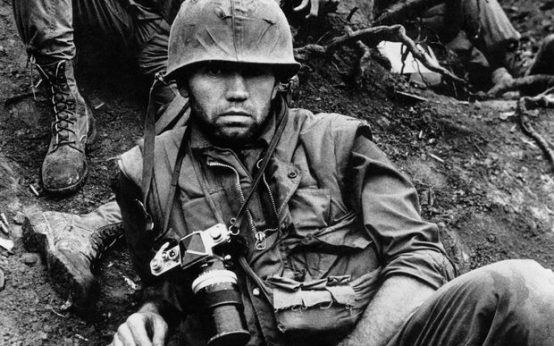 Don McCullin’s Final Book: A Pioneering War Photographer’s Legacy
 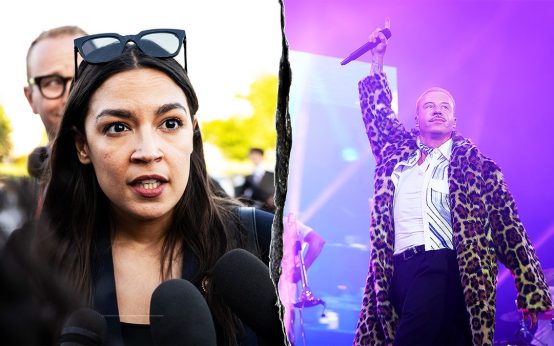 Rep. Alexandria Ocasio-Cortez Defends Macklemore Amid Tour Controversy
  Influence Concerns Surround California Political Donors
 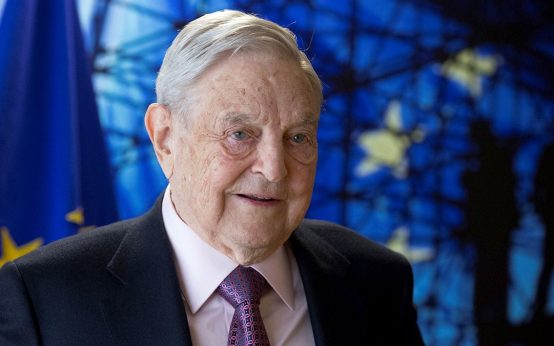 Michigan Senate Race Sees Influences from Soros-Linked Funding
 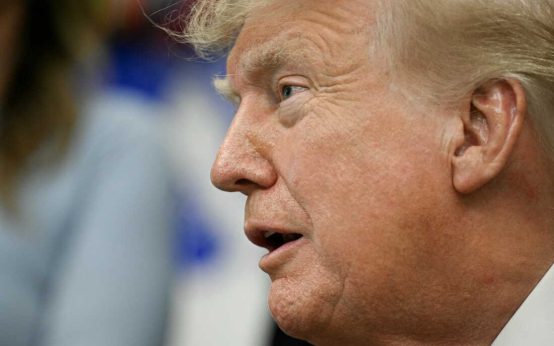 Trump Seeks Diplomatic Success at the U.N. Amid Challenges
 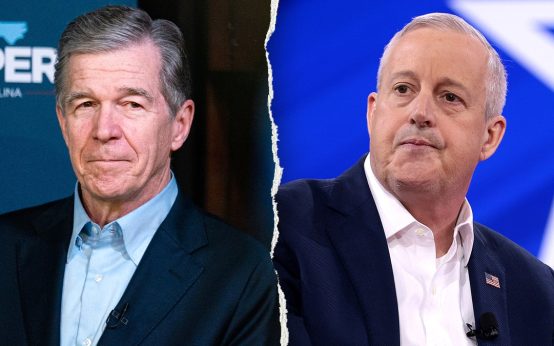 North Carolina Senate Race Influenced by Abortion Policy Messaging