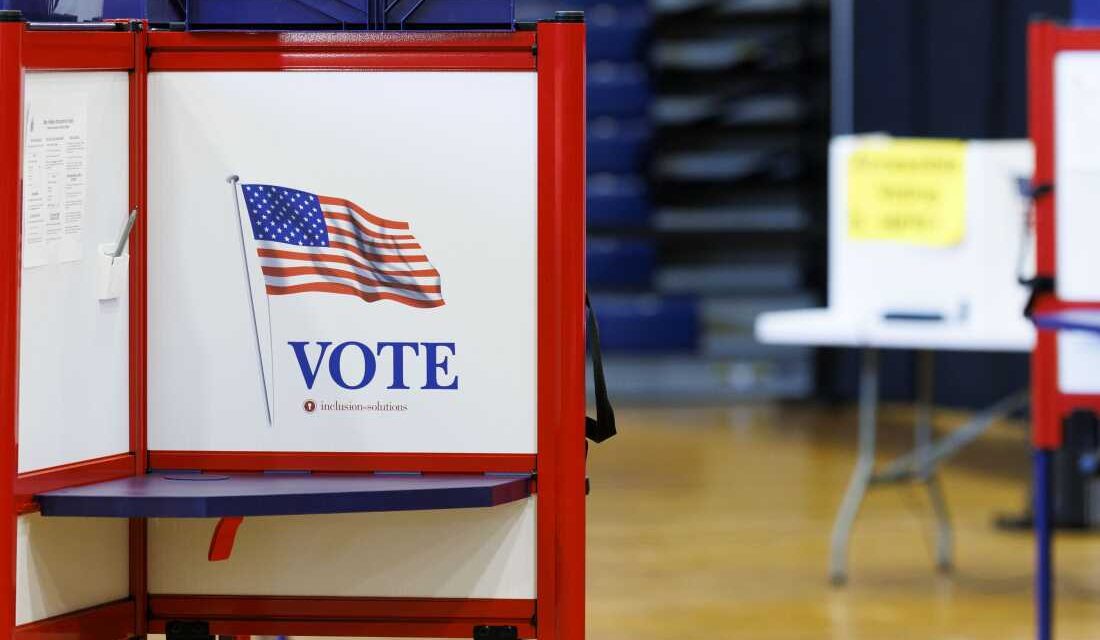
A federal judge ruled against using a tool designed by the Trump administration to check voter eligibility through aggregating Americans’ personal data. The system, known as SAVE, is now deemed unlawful.
Several states had already employed SAVE to process their voter lists. The tool flagged potential noncitizens and deceased individuals. However, it mistakenly identified numerous foreign-born American citizens as noncitizens.
The federal government has knowingly trampled on the privacy rights of American citizens in a manner that threatens the sacred right to vote,U.S. District Court Judge Sparkle Sooknanan stated in her ruling.This Court cannot stand idly by while that happens.
Judge Sooknanan’s ruling highlighted the failure to follow required protocols under the Privacy Act. NPR reported SAVE’s expansion to check American citizenship without public notification.
SAVE’s Overhaul
SAVE was managed by U.S. Citizenship and Immigration Services (USCIS). It originally checked the eligibility of foreign-born individuals for government benefits on a one-by-one basis. Last year, the Department of Homeland Security (DHS), with the Department of Justice and General Executives’ help, enabled bulk checks.
The overhaul connected SAVE with Social Security Administration (SSA) data and added American-born citizen records. Judge Sooknanan noted the agencies merged and repurposed private information without accuracy assurance.
The Trump administration integrated SAVE checks into its voting agenda. In March, Trump signed an executive order directing DHS to compile eligible voter lists using SAVE. Legal challenges aim to halt this order.
Voter Record Analysis
More than 60 million voters had their records processed through SAVE, with about 21,000 flagged as potential noncitizens, indicating an error rate under 1%. The administration focused on noncitizen voting despite existing federal prohibitions, with research finding it rare.
Following the ruling, DHS spokesperson James Percival criticized the decision for hindering efforts to address alien voting. The federal government could appeal the ruling.
Judge Sooknanan found the federal agencies lacked statutory authority to overhaul SAVE. The tool’s expansion violated the Privacy, Social Security, and Administrative Procedure acts.
Marcia Johnson from the League of Women Voters, a plaintiff in the case, declared the decision a victory for voters. Efforts to create a federal voter database threatened the core democratic right to vote.
Last year, after legal challenges to the SAVE overhaul, DHS and SSA issued notices about the changes, receiving negative comments without altering their plans.
They just didn’t listen to the American people who spoke out against this plan,said Nikhel Sus of Citizens for Responsibility and Ethics in Washington, representing the plaintiffs.
An example of SAVE’s impact involved Anthony Nel, a South African-born U.S. citizen flagged as a noncitizen in Texas. He was removed from voter rolls for not responding promptly to prove his citizenship, a story shared through a legal declaration.
USCIS acknowledges some categories of foreign-born citizens are unverifiable through SAVE, admitting existing system limitations.
 Mayor Mamdani and President Trump Discuss Major Housing Project in NYC
  Poll Reveals MAGA’s Increasing Popularity Over DSA as Democrats’ Future Debated
  North Korea’s Hypersonic Weapon Test Amid Global Tensions
  Debate Over ICE Action in Austin Escalates
  President Trump Warns of Escalating War with Iran at UN Assembly
  Tariffs and Their Impact on Everyday Products