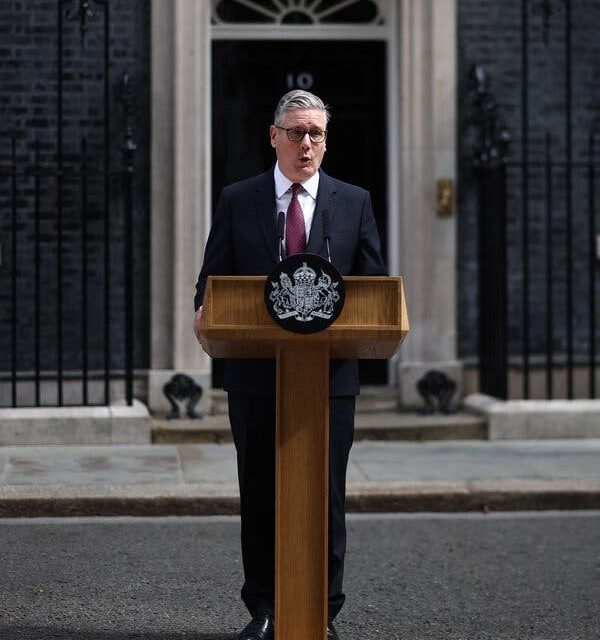
Ten years ago this week, a significant political change occurred in Britain as the nation decided to exit the European Union, a move popularly known as Brexit. This decision marked the beginning of a period characterized by political upheaval that continues to this day. The impact of this vote is still felt, as seen with the resignation of the sixth Prime Minister since Brexit.
Keir Starmer, who was elected with an overwhelming majority less than two years ago, recently faced dwindling support. He lost the confidence of both voters and many within his own party, leading to his resignation. This political shift comes amid worsening economic challenges in Britain.
The next leader expected to take the reins comes from a humble background in the north of England. While his charisma and popularity are noted, questions remain about whether leadership change alone can address the country’s economic issues, which have been exacerbated by its exit from the E.U.
Ten Years, Multiple Prime Ministers
Signs of political instability were present early on. More than a year ago, the right-wing populist party, Reform U.K., led by Brexit architect Nigel Farage, surpassed the Labour Party in opinion polls. This trend continued as they defeated Labour in local elections across England, leading to increasing pressure on Starmer to resign. His departure represents a stunning fall for a leader whose party had previously secured one of the largest parliamentary majorities in the postwar era.
 Detroit Free Press Endorses Abdul El-Sayed for Michigan Senate
 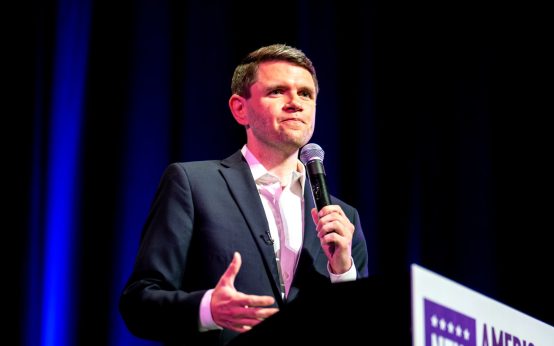 Texas Senate Race Heating Up: Talarico vs. Paxton
  GOP Lawmakers Urge Action on Living Costs Ahead of Elections
  Challenges in Reducing Consumer Prices: White House Initiatives Face Setbacks
  Pentagon Updates Wounded Troops Count in Iran Conflict
 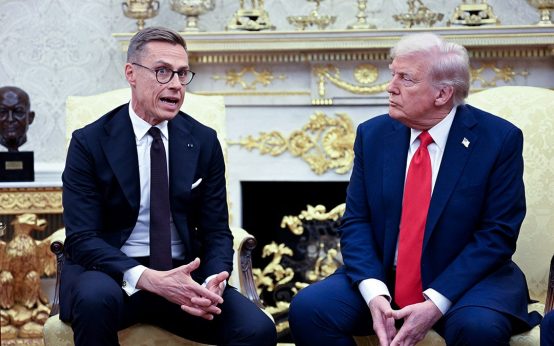 Diplomatic Dynamics: Finland and Ukraine’s Stance on Russia