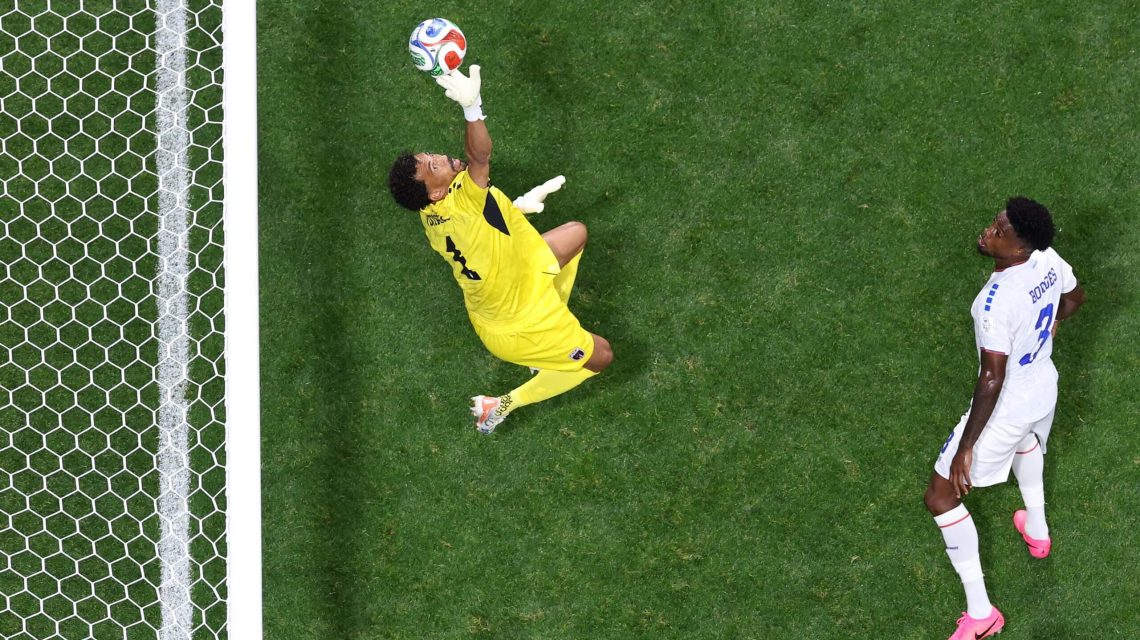
Thibaut Courtois, Belgium’s goalkeeper, commented on Iran’s Alireza Beiranvand after their 0-0 draw, describing a key theme of the 2026 World Cup. “He’s a good goalie and today he proved it again,” Courtois said. His statement highlights a psychological aspect that goalkeepers experience during intense competition.
Beiranvand is no stranger to the World Cup spotlight. In 2018, he saved a penalty from Cristiano Ronaldo, sealing a 1-1 draw with Portugal. The 2026 tournament again showcases his skills. But he’s not the only standout.
Curacao’s Eloy Room made headlines with his 15 saves against Ecuador. Cape Verde’s Vozinha earned recognition by keeping Spain at bay. These performances elevate goalkeepers to memorable status due to the global stage. Despite their prominence, the skill and concentration required are considerable.
Room’s 15 saves versus Ecuador or Vozinha’s clean sheet against Spain are exceptional feats, showcasing concentration, positioning, timing, and emotional control.
World Cups amplify these performances due to the significance attached to them. Tim Howard’s noteworthy effort against Belgium in 2014 remains iconic for American fans. People value high-pressure moments, whether in playoffs or the World Cup.
The psychology of underdog teams plays a crucial role. Smaller nations often approach the tournament with liberation, focusing on showcasing their skills rather than fearing failure. This mentality empowers goalkeepers.
Room exemplifies resilience. After conceding seven goals to Germany, he rebounded a week later against Ecuador. Goalkeepers can contextualize heavy defeats and focus on future opportunities. Cape Verde’s experience against Spain mirrored this. As underdogs, the pressure rests with favorites, allowing goalkeepers room to shine.
Courtois’ insights on invincibility resonate with goalkeepers. Confidence grows with each save. By confirming multiple skills, from handling to aerial timing, goalkeepers feel more assured. They may enter a ‘flow state,’ making each intervention instinctive and effective.
Increased confidence affects body language and opposition psyche. Attackers frustrated by saved shots create space in their minds for goalkeepers. Eventually, the idea they might not score prevails.
I experienced similar feelings early in my career. Playing against a stronger team with less pressure allowed confidence to build naturally. As momentum grew, so did performance. This liberating experience often leads to memorable nights.
Goalkeepers from smaller nations benefit from greater opportunities. Facing more shots provides rhythm, crucial for goalkeeping. Being busy keeps them mentally engaged. Challenges faced by goalkeepers from dominant clubs differ as they balance inactivity with sudden crucial saves.
Ultimately, different goalkeepers thrive in various environments. Some excel under pressure at larger clubs; others shine as underdogs. World Cup goalkeepers captivate audiences, producing lasting moments. Their performances reflect skill, freedom, and rhythm against powerful opponents, etching their names into football folklore.
 Chicago Cubs Fall Short Against Cincinnati Reds, Leaving Opportunities Unclaimed
  Teen Pickleball Star Faces a Busy Schedule
  Ovechkin’s Political Controversy Amid Russian Elections
  Arizona Cardinals’ Week 1 Upset and Dan Orlovsky’s Quarterback Debate
  Buffalo Bills Triumph Over Detroit Lions But Face Injury Setback
  Sophie Cunningham Responds to Misinterpretations of Comments on Teammates