The ongoing conflict in Iran has significantly impacted the global electric vehicle (EV) market. Chinese automakers have found new opportunities in developing regions due to increasing fuel prices.
Impact of Fuel Price Increases
The blockade of the Strait of Hormuz has disrupted the supply of a considerable portion of the world’s crude oil and liquefied natural gas. This disruption initially impacted Asia, a primary fuel destination, before affecting Africa. The higher fuel costs have pushed many drivers toward adopting electric vehicles.
According to think tank Ember, China’s EV exports hit a record $9.4 billion in April. China shipped vehicles to various regions, including Southeast Asia, East Africa, Australia, and Brazil.
Surge in EV Exports
The Chinese Association of Automobile Manufacturers reported that China exported around 435,000 passenger EVs and plug-in hybrids in May, a significant increase from the previous year. Countries such as Laos and Ethiopia are investing in electric vehicles to curb oil import costs and reduce fuel subsidies.
However, the growth in EV adoption has outpaced the expansion of charging networks. In Africa, governments and state-owned utilities are taking the initiative to develop charging infrastructure, a strategy that might benefit other emerging markets like Asia.
Emphasis on Infrastructure
Paul Gong, head of China’s automotive industry research at UBS bank, highlights the issue of insufficient charging infrastructure. He stresses that government support for infrastructure is crucial for accelerating EV adoption.
In Laos, imports of fuel-powered vehicles have been banned for the rest of 2026 to encourage the shift to EVs. Meanwhile, Africa saw a significant increase in Chinese EV imports. Public transportation is often limited in these regions, making private vehicle usage a major household expense.
Global Trends and Predictions
Mark Wakefield of AlixPartners noted rising interest in EVs as fuel prices increase. The International Energy Agency reported that one in four cars sold in the previous year was electric, with global sales expected to rise further. This trend is bolstered by Chinese automakers, who supply approximately 60% of the electric cars sold worldwide.
Challenges in Charging Infrastructure
Despite the boom in EV imports, charging infrastructure remains inadequate. Thailand has around 4,600 public charging locations for over 424,000 battery EVs and plug-in hybrids, illustrating the shortfall in infrastructure.
Ethiopia, facing a shortage of charging stations, estimates more than 1,170 stations are needed to meet demand. Chris Liu from Omdia emphasizes that the pace of EV adoption depends heavily on infrastructure and power reliability.
Role of State-Owned Utilities
State-owned utilities play a vital role in developing charging infrastructure. In Africa, countries are increasingly relying on public investments to build charging networks. Kenya Power plans to establish 44 charging stations.
Ndia Magadagela, CEO of South African commercial EV leasing company Everlectric, noted that utilities recognize electric mobility will drive future electricity demand. Africa currently has around 2,000 public EV charging stations, with plans for expansion.
While companies like BYD expand ultrafast charging networks in Europe, Chinese automakers focus less on infrastructure outside China, making state-owned utilities crucial for grid planning and electricity distribution.
 The Rise of Data Centers and AI Development
  How China Uses AI to Challenge U.S. Dominance
  Communities Continuing Recovery from Hurricane Helene Explored through Graphic Novel
 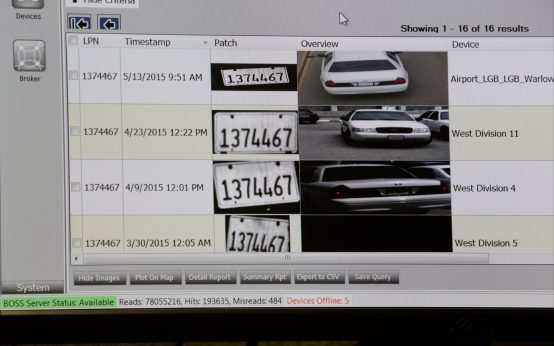 Controversy Surrounding Automated License Plate Readers (ALPRs)
 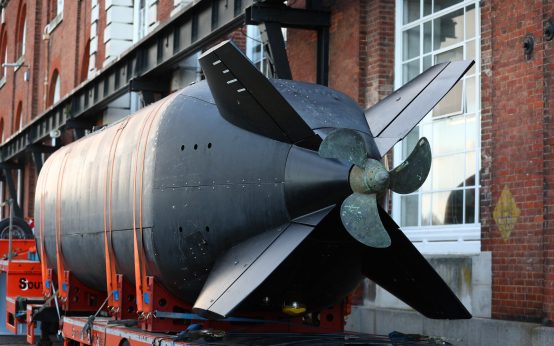 U.K. Test-Fires U.S. Torpedo from XV Excalibur
 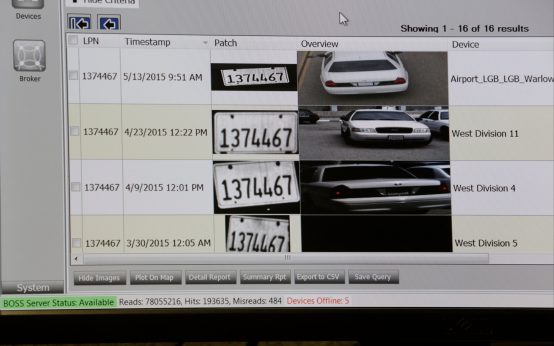 The Rise and Controversy of Automated License Plate Readers