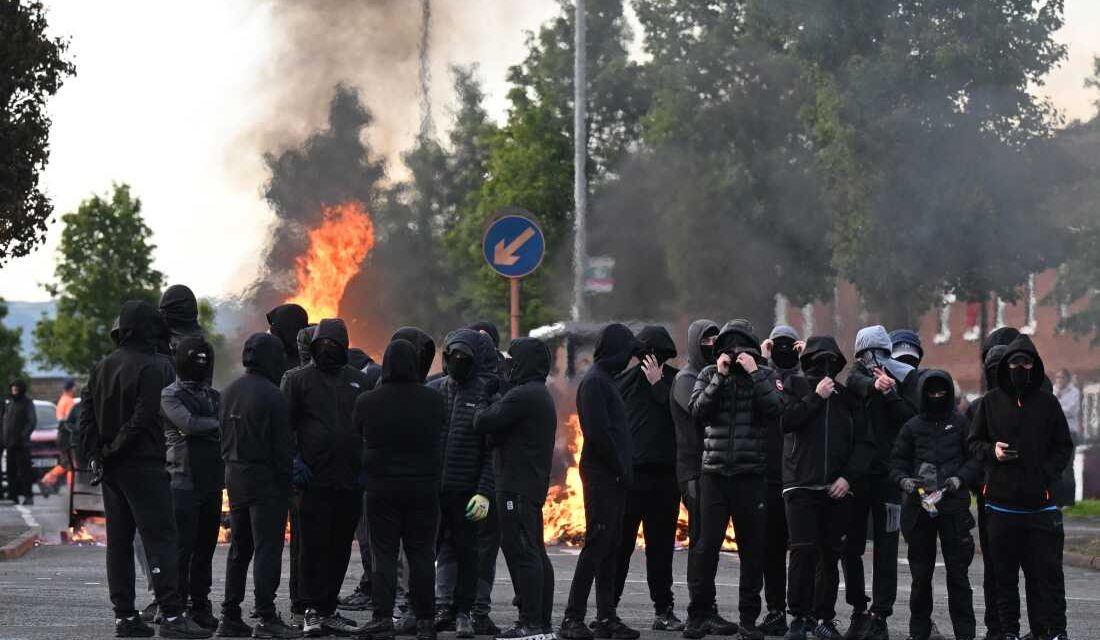
Youths stood before a burning barricade at Duncairn Gardens in Belfast on June 9, following unrest sparked by ethnic tensions. Earlier in June, Stephen Ogilvie, aged 44, suffered a severe stabbing wound, which was caught on video and spread on social media. The alleged assailant, a 30-year-old Sudanese asylum seeker, now faces charges of attempted murder.
This incident led to violent protests, with masked groups targeting vehicles and ethnic minority homes. Observers are questioning how these protests organized so quickly. Some suggest a connection to ‘active clubs,’ neo-Nazi youth groups growing in Europe and the U.S.
Michael Colborne, from Bellingcat, an investigative journalism outlet, noted these groups often train in mixed martial arts, not for fitness, but as preparation for political violence. Digital platforms connect these local groups transnationally, amplifying their capabilities.
Reportedly, social media activity on active club accounts before and after the Belfast unrest suggests their involvement in inciting violence. However, some experts remain skeptical given Northern Ireland’s complex history of sectarian conflict and anti-immigrant tensions.
Sid Venkataramakrishnan from the Institute for Strategic Dialogue pointed out that the UK’s current climate heightens the potential for such violence. A neo-fascist group, Ulster Youth Club, used Telegram to possibly mobilize street action, urging precautions against identification during protests.
The unrest, described by locals as similar to historical ethnic violence, led some to examine the potential operational tactics used by protestors. However, there is no clear evidence linking active club affiliates to the June 9 events, highlighting the broader context of underlying tensions.
The Rise of Anti-Immigrant Sentiment
Violent anti-immigrant actions have become increasingly common in Northern Ireland during recent summers. A history of ethnic clashes in areas like Belfast exacerbates these tensions. Previous incidents, such as a violent outbreak in 2024 following a tragic event in Southampton, have inflamed such sentiments.
Influential figures, including high-profile personalities from outside the UK, have often leveraged these situations to promote anti-immigrant agendas, as observed on platforms like Facebook. The idea of expelling non-white communities exploits fears and fuels further unrest.
There is speculation about the influence of former paramilitary figures within these groups. According to The Accountability Project, a volunteer initiative monitoring anti-immigrant activities, some members openly identify as past Loyalist prisoners from Northern Ireland’s era of strife known as ‘The Troubles’.
The Project’s observations suggest that communication apps like Signal and Telegram are key in coordinating violence, bypassing more visible social networks. These apps facilitate the mobilization of young participants, posing questions about potential ties to historical paramilitary structures.
While investigations continue, understanding these dynamics remains crucial. Any findings might shed light on how extremism is adapting globally and locally.
 U.S. Strategic Goals Remain Unmet Amid Prolonged Conflict
  New Photos Reveal Damage from Iranian Strikes in the Middle East
  Assassin of Chilean Diplomat Orlando Letelier Faces Deportation 50 Years After Assassination
 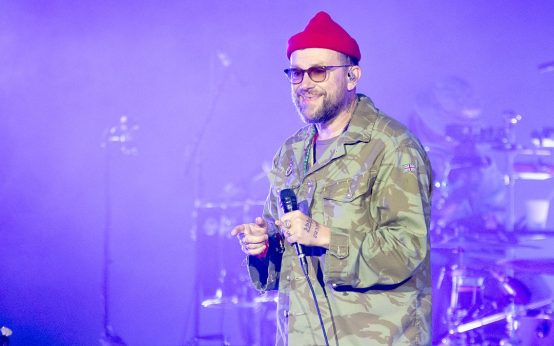 Gorillaz and Macklemore Respond to Controversy Over Israel-Palestine Statements
  Investigation into Lion Deaths in Tanzania
 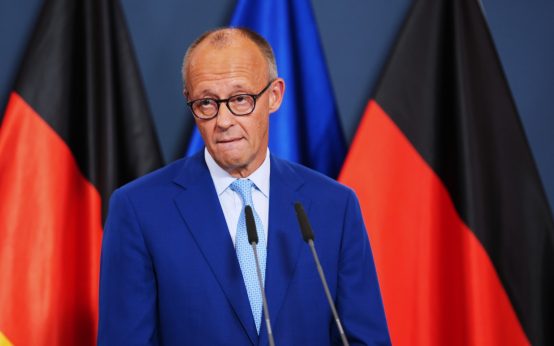 Merz Stays Resolute Amid Electoral Shifts in Germany