
Ten years ago, the United Kingdom made a significant decision. It voted to leave the European Union, a group it had been part of for over 40 years. This move, known as Brexit, was seen as a way for Britain to ‘take back control’ of its destiny. The emphasis on ‘back’ suggested a longing for a return to a past era.
Brexit promised to renew Britain’s status as a global power akin to the days following World War II. Boris Johnson, a leading figure in the campaign and a former Prime Minister, argued that leaving the EU would lead to a vibrant and global Britain. He envisioned a prosperous future, symbolized by ‘sunlit meadows.’
However, a decade on, the consequences of this decision are evident. Many believed that leaving the EU would end austerity, revive manufacturing jobs, and improve trade. A small majority, 52 percent, supported this vision. Yet, the promised prosperity seems elusive. The hope of reversing economic challenges and returning to a perceived better past did not materialize as expected.
The Brexit vote reflected the frustrations of many who felt left behind by economic changes. While promises were made to reduce immigration and improve economic conditions, these issues remain challenging. The goal was to shed perceived European constraints and pursue a more independent and prosperous path.
 Austin Tice: A Search for Answers
  President Trump Warns of Escalating War with Iran at UN Assembly
  Tariffs and Their Impact on Everyday Products
 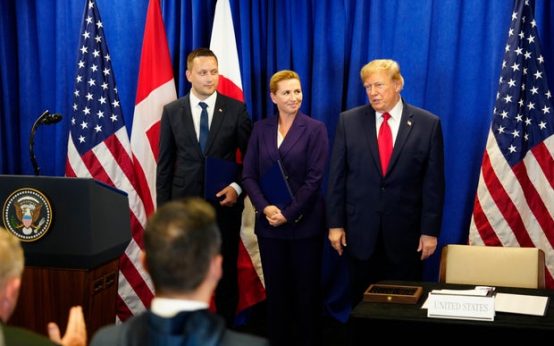 U.S., Denmark, and Greenland Forge New Security Agreement
 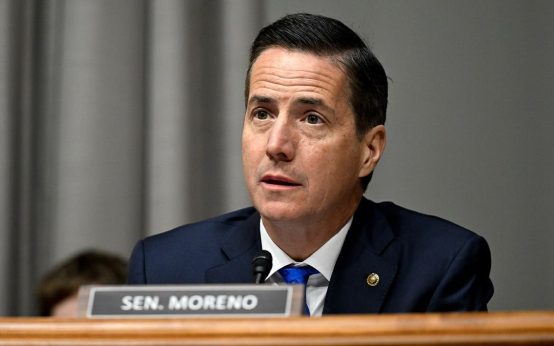 Senator Criticizes Drug Policy After Ohio Tragedy
 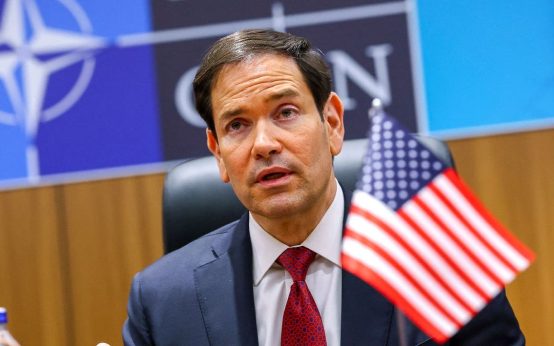 Secretary Rubio Discusses Middle East Conflict and NATO Relations