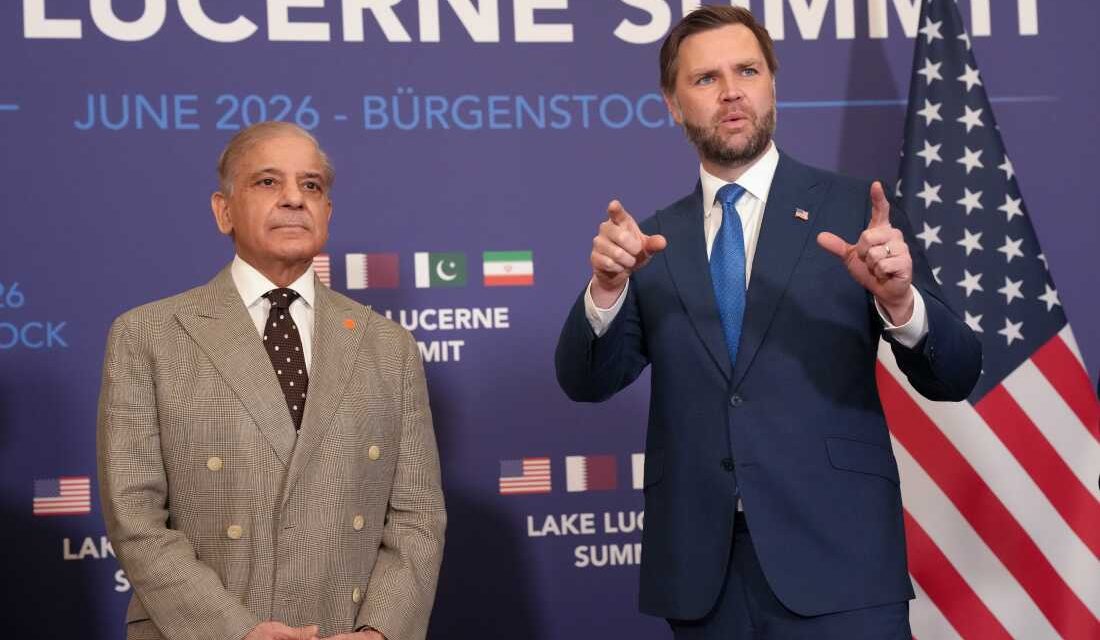
U.S. Vice President JD Vance engaged in crucial talks with Pakistan’s Prime Minister Shehbaz Sharif at the Bürgenstock Resort in Obbuergen, near Lucerne, Switzerland. These discussions, held on June 21, 2026, aim to advance a deal to end the ongoing Middle East conflict. The meeting occurs against the backdrop of escalating tensions.
President Trump has threatened further military actions against Iran. In a social media post, Trump insisted, “Iran must immediately stop their highly paid PROXIES in Lebanon from causing trouble. If they don’t, we’ll hit Iran very hard again.” The situation is tense after Iran announced the closure of the Strait of Hormuz following Israeli strikes in Lebanon against Hezbollah. Iran claims the U.S. has failed to control Israel, violating a tentative agreement from last week, demanding an end to the Lebanese conflict.
Vice President Vance arrived in Switzerland early Sunday, meeting with Pakistani representatives, including Prime Minister Shehbaz Sharif and Staff Field Marshal Asim Munir. Also present are Iranian officials, mediators from Qatar, and Rafael Grossi, chief of the International Atomic Energy Agency. The talks focus on a Memorandum of Understanding signed by the U.S. and Iran, which is already strained due to recent developments.
The discussions also cover Iran’s controversial nuclear program. Iranian President Masoud Pezeshkian stated, “What is certain is that we will never back down from the right to enrich uranium.” Iran maintains that its nuclear pursuits are peaceful.
Despite a ceasefire declaration on Friday, fighting between Israeli forces and Hezbollah persisted through Saturday. This ongoing conflict adds pressure to the negotiations. Nonetheless, Vance remains optimistic, telling reporters, “We’ve already made great progress over just the last few hours.” Vance noted the challenges inherent in such negotiations but expressed confidence about the situation in Lebanon.
Vance emphasized the U.S.’s efforts in the Lebanese conflict, stating, “The U.S. has done more to stop the conflict in Lebanon than any government anywhere in the world.” According to the Lebanese National News Agency, Israeli strikes killed at least 16 people, including civilians, on Saturday. Israel responded to projectile attacks by Hezbollah, who in turn were reacting to Israeli military movements.
On a more positive note, the United Nations Interim Force in Lebanon reported no attacks from either side on Sunday, marking a potential turning point. Although Israel and Lebanon have not signed the Memorandum of Understanding, the agreement seeks respect for Lebanese sovereignty and calls for a halt to military activities in the region.
Contribution to this report was made by NPR’s Jane Arraf.
 US Monitors Russian Pneumonic Plague Case
 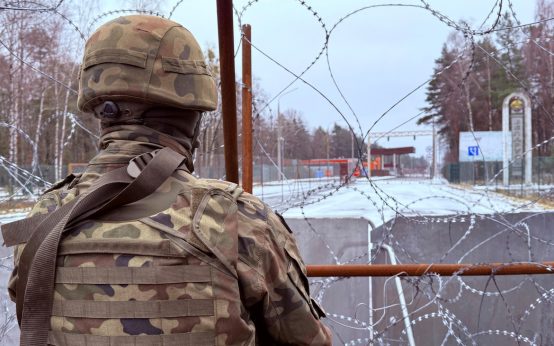 Poland Prepares for Potential Conflict Amid NATO Concerns
  Drone Warfare Redefines Ukraine’s Frontline Conflict
 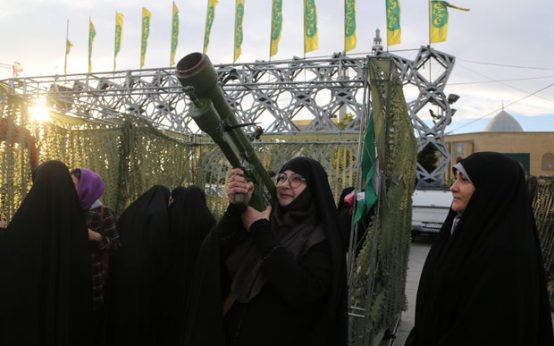 Key Developments in the Iran Conflict Affecting Global Oil Markets
 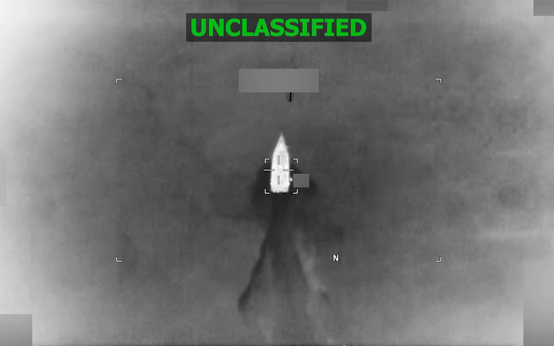 U.S. Military Strikes Vessel in Caribbean, Allegedly Involved in Drug Trafficking
  Australia Probes FlyDubai Co-Pilot’s Connections