
The recent ceasefire has created a pathway for renewed diplomacy in the region. However, it has also presented the United States with complex challenges involving Iran’s strategic position, Israel’s military actions, and domestic political pressures.
Saturday witnessed a significant geopolitical move when Iran announced the closure of the Strait of Hormuz. This decision came as a response to Israeli military actions in Lebanon. The Strait is a crucial maritime route, and Iran’s control over it underscores its leverage in the ongoing regional tensions.
Simultaneously, President Donald Trump is navigating a turbulent political landscape as he seeks an agreement with Iran. The diplomatic efforts have not only been marred by Iran’s strategic maneuvers but also by the continuous exchange of strikes between Israel and Hezbollah. This escalation increases the complexity of finding a peaceful resolution.
Additionally, President Trump faces criticism from within his political party. The faction on the right heavily scrutinizes his approach, asserting that his administration is conceding too much in attempts to secure an agreement. These internal debates reveal the broader challenge of balancing international diplomacy with domestic political interests.
The tensions in the Middle East, highlighted by Iran’s measures and Israel’s tactics, illustrate the delicate and often treacherous path of diplomacy in a volatile geopolitical environment. With the ceasefire providing a temporary reprieve, the U.S. finds itself at a critical juncture, needing to carefully manage its foreign policy to address both regional dynamics and internal political challenges.
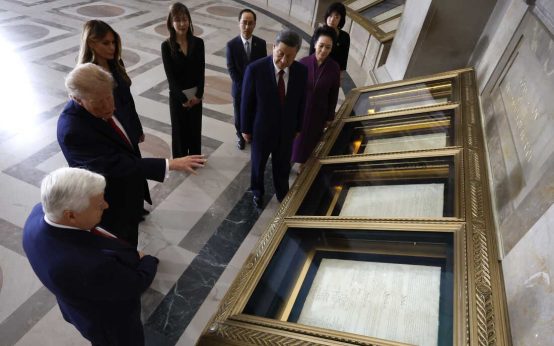 Historical Discrepancies and Diplomatic Sensitivities in U.S.-China Relations
 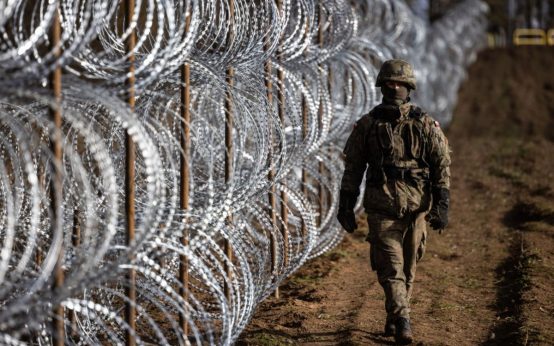 Escalating Tensions: Russia’s Nuclear Threat and the Kaliningrad Conundrum
 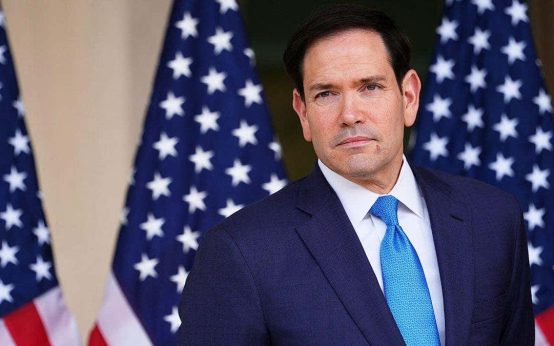 Marco Rubio Discusses Thwarted UK Terror Plot and Global Threats
  New Leads Emerge in 2014 Ayotzinapa Student Disappearance Case
  Concerns Over U.N. Secretary-General Candidate’s Alignment
 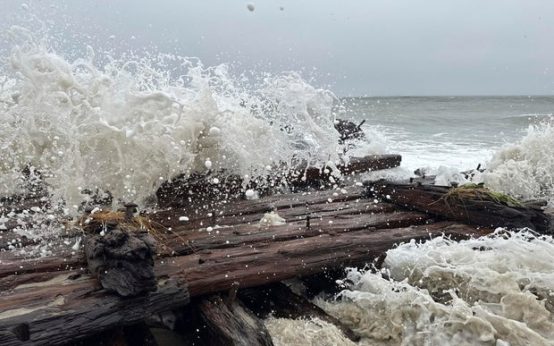 Possible Shipwreck Exposed After Nor’easter in Nantucket