
Recent findings suggest taking GLP-1 medications for weight loss might benefit male fertility. Research presented at the Endocrine Society’s annual meeting, ENDO 2026, in Chicago examined the connection between obesity and male fertility issues. Obesity can disrupt the hypothalamic-pituitary-gonadal (HPG) axis, a hormone system vital for regulating testosterone. This disruption may lead to functional hypogonadism — low testosterone levels due to impaired hormone signaling — and poorer semen quality.
Research and Findings
Researchers reviewed data from five randomized controlled trials involving men aged 18 to 65 on GLP-1 medications. They focused on reproductive hormones, metabolic outcomes, testosterone, brain hormones linked to testosterone and sperm production, and a protein that transports sex hormones in the blood. Measurements included semen quality, weight, BMI, cholesterol, and blood sugar.
The study revealed that GLP-1 medications do not suppress male hormones. Men with obesity-related low testosterone experienced improved testosterone, sperm quality, and metabolic health, particularly during weight loss. In a four-week study, dulaglutide did not significantly alter reproductive hormones or sexual function. A 16-week trial showed that liraglutide enhanced hormones in obese men with related hypogonadism, outperforming hormone replacement therapy in health outcomes. Another study reported improved sperm concentration and count with liraglutide.
A 24-week trial using semaglutide, commercially Ozempic and Wegovy, saw enhancements in sperm shape and reduced bad cholesterol, while maintaining total testosterone levels. Due to the limited number of trials, more research is essential to confirm these findings.
GLP-1s do not appear to acutely suppress the male HPG axis and may improve reproductive hormones and semen parameters in obese hypogonadal men, largely within the context of weight loss.
The small evidence base calls for larger trials to fully assess the male reproductive outcomes linked to GLP-1 medications.
Expert Insights
Dr. Anthony Puopolo, a men’s health expert at RexMD, discussed these findings, though not involved in the study. He indicated that this early evidence suggests GLP-1 medications may improve testosterone levels in obese men with hypogonadism or low testosterone. Puopolo noted that if further evidence supports this finding, GLP-1s could become a preferable alternative to testosterone replacement therapy in preserving fertility.
 Ultra-Processed Foods Linked to Higher Risk of Chronic Diseases
  Understanding Memory Lapses and Hormonal Changes in Women
 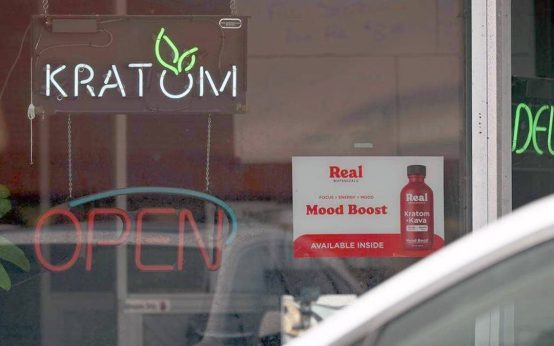 Concerns About Kratom and Its Potential Health Risks
  Lawsuit Filed Over Preeclampsia Death in Texas Amid Abortion Ban Controversy
  Illinois American Water Faces Opposition Over Proposed Rate Increase
  Porsha Williams Opens Up About Emergency Surgery and Health Challenges