Famous buildings often spark strong opinions. To some, they may seem unattractive, while architects view them as bold expressions of design, engineering, and urban identity. This divide can be seen in projects like museums and civic structures. It highlights differences between public perception and professional appreciation.
There is a shift in the U.S. approach to architecture. The American Institute of Architects (AIA) notes that nearly half of the country’s 125 million buildings are over 50 years old. The trend focuses on adapting existing structures. In 2024, adaptive reuse saw a rise with about 25,000 new apartments from converted buildings, a 50% jump from the previous year, according to RentCafe.
Reusing buildings reduces carbon emissions significantly. The AIA states it can avoid 50% to 75% of emissions compared to new constructions. It also prevents the release of embodied carbon from materials and transport. Gordon Gill, architect of the world’s tallest building, emphasized renewing older buildings to enhance longevity and relevance.
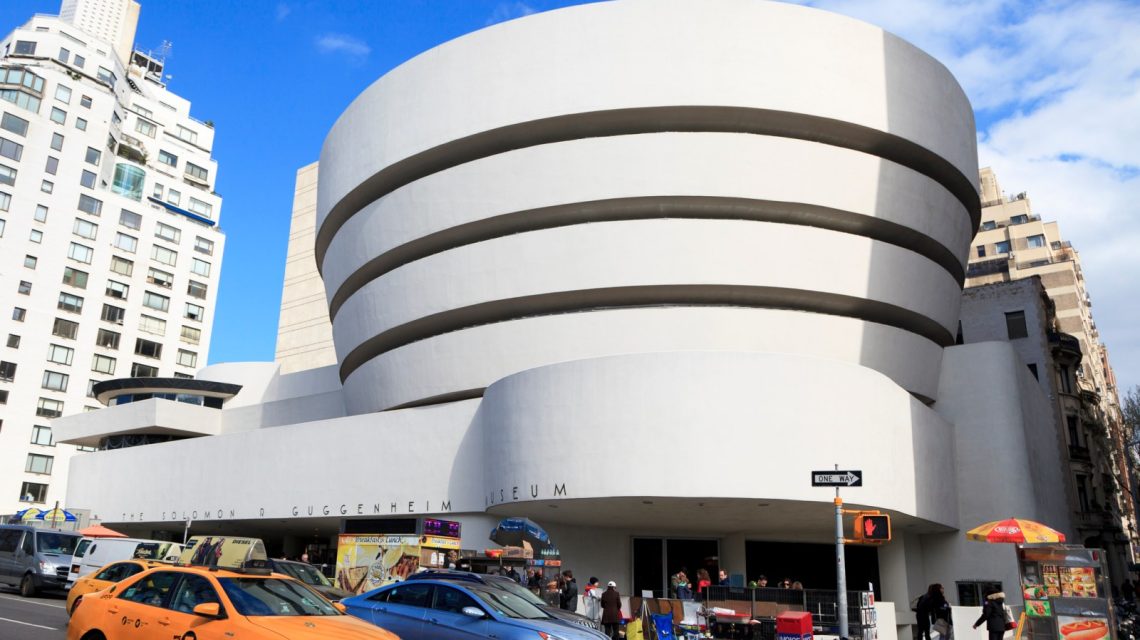
Guggenheim Museum, New York City
Frank Lloyd Wright’s Guggenheim Museum is famous but not universally adored. Its stark contrast with Fifth Avenue and unconventional form can divide opinion. Architect Monika Smith sees it as controversial and challenging for curators due to its curved walls. However, Smith praised its redesign of the visitor experience as a memorable and unique landmark.
Marin County Civic Center, California
Frank Lloyd Wright also designed the Marin County Civic Center. This building divides public opinion. Architect Charles Bloszies finds its design distinctive yet polarizing. Some call it the “Martian Embassy.” Bloszies sees it as quintessential Wright architecture that fits its context well.
Boston City Hall, Massachusetts
Miles Smith cherishes Boston City Hall, despite public dislike. Attempts to demolish it face strong opposition from designers. Smith regards it as a fantastic brutalist structure with a rich history. Architect Marc Gordon noted the public’s general dislike for brutalism, yet architects appreciate its material authenticity and geometric form.
Norfolk Scope Arena, Virginia
Norfolk Scope Arena is another building criticized by locals but supported by architects. Mel Price noted public dislike, though she views it as an iconic structure defining the city’s skyline. Thom White calls it a majestic landmark, pointing to its engineering significance in the U.S. Construction updates could preserve its status as a prominent architectural gem.
Woodhull Hospital, New York City
Woodhull Hospital is often viewed negatively by the public. Marc Gordon thinks its weathering steel façade gives it a foreboding look. He admires its size, functional geometric forms, and industrial aesthetic. He frames it as a misunderstood design work.
Contact us at [email protected] with your architectural stories. Your story may be featured by Newsweek.
 College Podcast Challenge: A Catalyst for Change
  Shifting Latino Demographics in Chicago’s Neighborhoods
  Kennedy Center Faces Layoffs Amid Ongoing Legal Dispute
  Disappearing Meals: How Modern Life is Changing How We Eat
  Colin Kaepernick’s Press Tour Raises Unasked Questions
  Controversial Claims in Charles Spencer’s Book about Princess Diana’s Divorce