
With the midterms drawing near, a new term has surfaced among progressive Democrats. “The 1%” has evolved into the “Epstein Class,” a term loaded with connotations. Prominent Democrats, including Georgia Sen. Jon Ossoff and Maryland Rep. Jaime Raskin, have started using it. This has sparked curiosity about the identity of the so-called ‘Epstein Class’.
Rep. Ro Khanna, D-Calif., is a key proponent of this term. When asked for examples of individuals in this group, he did not name anyone specifically. Instead, he stated, “What the Epstein files revealed is a group of powerful and wealthy men more concerned with their status and networks than decency and humanity.” This reflects a critique of a wealthy elite that disregards ethics to maintain their status.
Khanna distanced himself from more extreme interpretations of the term. He explained, “It is symbolic for the network Epstein collected of a group of powerful and rich men who put their own needs above civic virtue.” He strongly rejected any notion of a secret cabal.
The term “Epstein Class” seems to overlap with the Occupy-Wall-Street critique of “The 1%,” but with additional negative associations related to Epstein’s crimes. Khanna described them as having disproportionate influence due to wealth, connecting this to the Citizens United decision, which expanded political spending freedoms.
Interestingly, the phrase has been adopted across the political spectrum, not only by Democrats. Politicians like Marjorie Taylor Greene and Thomas Massie have used it to describe a supposed elite with significant influence, though often without concrete evidence.
The broader debate highlights a critique of rich individuals in politics, focusing on those whose influence is viewed unfavorably. It traces back to concerns about economic inequality and perceived corruption tied to wealth.
This rhetoric could impact political dynamics. While the Occupy Wall Street rhetoric didn’t achieve widespread success, its themes appear influential within the Democratic Party. The challenge lies in resisting such characterizations without clear evidence.
 Public Confidence in the Supreme Court at Record Lows
  Federal Authorities Arrest California Lawmaker’s Aide for Visa Overstay
 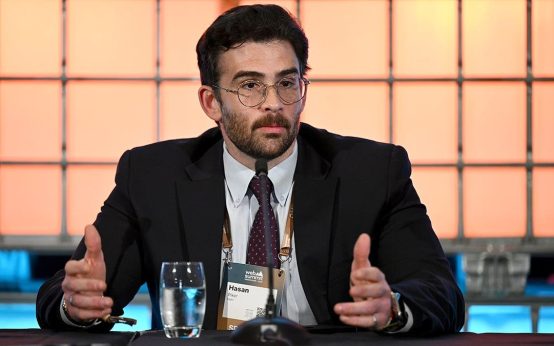 Hasan Piker Addresses Controversial Comments and Political Involvement
  Lukashenko and Putin Share Light Moments While Strengthening Ties
 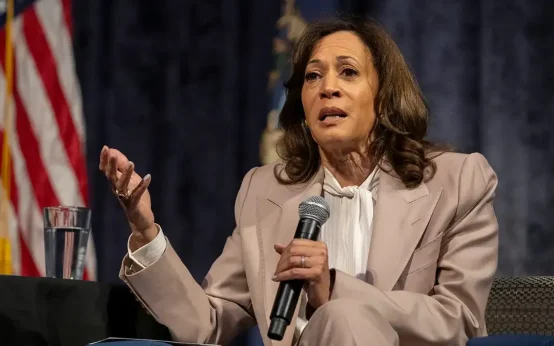 Kamala Harris on Possible 2028 Run Highlights Midterm Importance
  Lawmakers Urge End to U.S. Military’s Drug Boat Strike Campaign