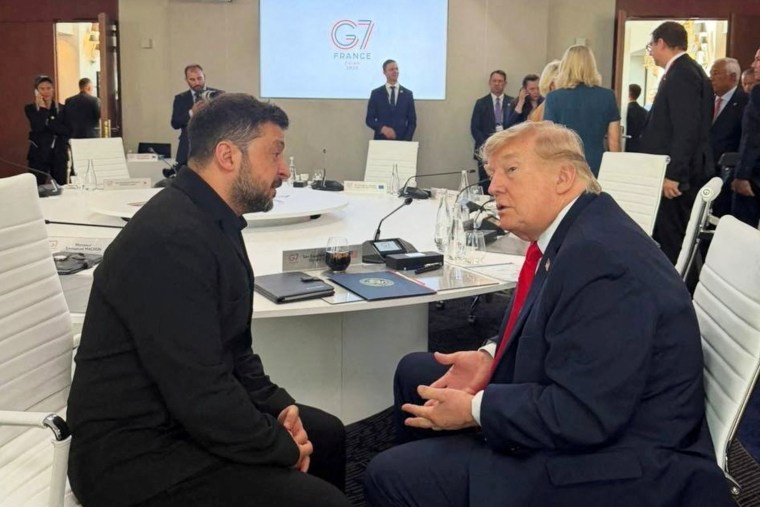
By June 16, 2026, President Donald Trump was turning his attention from recent developments with Iran to addressing the ongoing conflict in Ukraine. Following a meeting with Ukrainian President Volodymyr Zelenskyy at the Group of Seven summit in France, Trump expressed a desire to resolve Russia’s war in Ukraine, citing an agreement with Tehran as a catalyst for focusing on this new challenge.
Despite remaining uncertainties about the Iran deal, Trump indicated that Iran would soon be overlooked. At the summit, Trump promised to do whatever he could for Ukraine, urging Russia to negotiate. This potential shift offered optimism for European leaders who had sought Trump’s attention on the conflict, which had persisted for over four years.
The situation in Ukraine indicated a shift with successful drone and missile strikes against Russia. In response, Moscow launched retaliatory attacks on Kyiv, striking a historic monastery. British Prime Minister Keir Starmer noted that Ukraine appeared to be regaining momentum.
European leaders hoped that increasing domestic pressure on Russian President Vladimir Putin would be mirrored by renewed pressure from the U.S. In spite of growing confidence from Ukraine, progress on the battlefield or in negotiations was limited. However, Trump remained optimistic after discussions with both Putin and Zelenskyy, suggesting hopeful possibilities for resolution.
During the G7 summit, a direct meeting with Zelenskyy was absent from Trump’s schedule. Yet, discussion on Ukraine continued, emphasizing air defense and diplomatic endeavors to end Russia’s aggression. Zelenskyy underlined the importance of aligning positions with the U.S., noting substantive meetings had commenced.
In his previous efforts, Trump had suggested Ukraine concede important territories and had shown favor to Moscow’s tough demands. However, after meeting Zelenskyy, Trump appeared more open, suggesting a deal was essential given the substantial losses for both Russia and Ukraine.
European participation in negotiations had been minimal the previous year, but Zelenskyy insisted on their inclusion this time despite Russian resistance. The tension between the U.S. and Europe made this demand more complex.
Zelenskyy proposed various meeting opportunities with Putin, which were dismissed by the Kremlin. Russian Kremlin spokesman Dmitry Peskov noted an absence of communication between Moscow and Kyiv, though he mentioned potential forthcoming visits from American negotiators to Russia, contingent on finalizing the Iran deal.
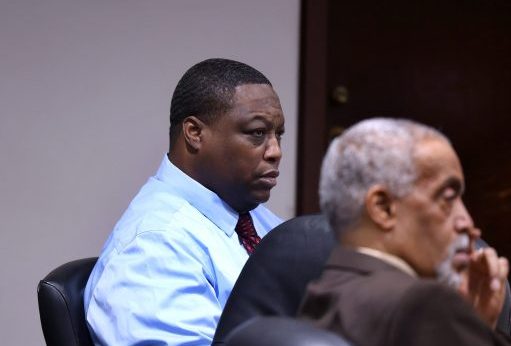 Man Arrested After Fatal Stabbing on Chicago’s South Side
  Google Fined for Breaching EU Privacy Rules
  South China Sea Tensions Rise after Collision between Chinese and Philippine Ships
 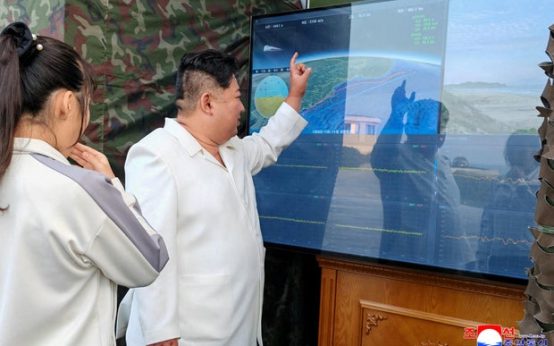 North Korea’s Hypersonic Weapon Test Amid Global Tensions
 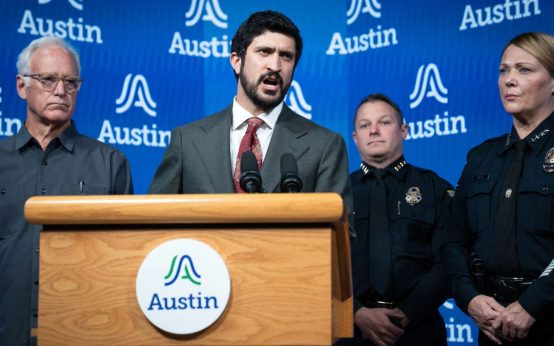 Debate Over ICE Action in Austin Escalates
  Austin Tice: A Search for Answers