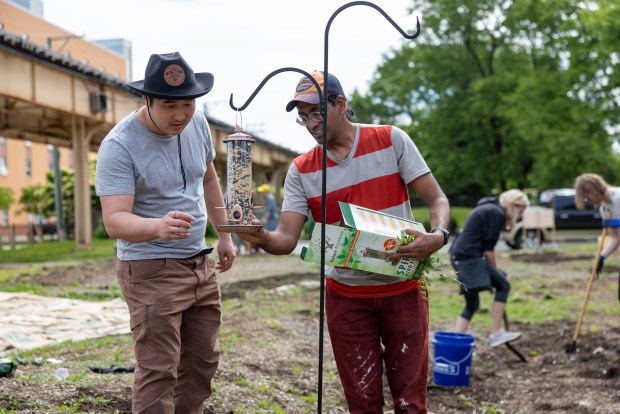
David Bippes took his parents to see his recent community initiative, a small plot of land in Englewood. This piece of land sits between a railway track and a row of homes. As an Eagle Scout, Bippes developed his interest in community gardens through a high school service project in Missouri. He now leads Litter Caterpillars, a volunteer group dedicated to cleanup efforts in Chicago. Last year, Bippes and his colleagues purchased this once-vacant lot at a citywide auction to create a green space.
The 6,000-square-foot area was transformed into a park with mulch, raised garden beds, and native Illinois plants. The grand opening on April 12 was a milestone, but soon after, they found landscaping debris dumped across the site. “We’re trying to reduce litter, not increase it,” said Bippes.
Challenges and Community Engagement
The unauthorized dumping of debris has complicated Bippes’ and co-founder Kevin Tao’s efforts to foster trust and community investment. The frequent dumping problems present hurdles, especially as the park owners do not live in Englewood. The 2025 land auction through Hilco, which featured over 800 plots, allowed the team to purchase their plots for $10,000. They’ve since invested another $10,000 on enhancements.
The park is named Caterpillar Park, symbolizing the group’s mission of renewal. Bippes reflected on the project as “learning by doing.” All members hold full-time jobs outside the project, with Bippes in consulting and Tao involved in a family business focused on health products.
“We’ve been figuring out how to build a park for the first time,” Bippes said. “None of us really know what we’re doing, so we’re just trying to network with as many people as possible.”
Building Local Support
Community engagement remains a priority as the park’s organizers, living afar, attempt to integrate into the local landscape. Tao and the team visit every other Sunday, balancing maintenance with cleanup activities elsewhere. Another local initiative, Cedillo’s Fresh Produce, highlights challenges for urban farms requiring regular oversight, as described by co-founder Dulce Morales.
Despite challenges, the team remains hopeful that the park will eventually function as a community garden where locals can cultivate their food. However, this goal requires deeper neighborhood involvement.
Dealing with Illegal Dumping
To foster community engagement, organizers distribute flyers and communicate with residents. The illegal dumping has complicated their efforts, with some assuming it was their trash. Cecillo’s garden, managed nearby, has had similar issues, with reduced crime rates through community involvement.
Efforts to address the dumping include filing 311 requests and contacting city departments. Social media campaigns have helped draw attention to the problem. The Department of Streets and Sanitation recently removed large debris piles in response to complaints, promising stricter future enforcement.
Community members like former resident Roosevelt Gordon support the park as long as it benefits the current residents. The organizers remain committed to the endeavor in Englewood, despite setbacks, believing that conversation and engagement could foster shared purposes.
 Pursuing the Knuckleball Dream: An Unlikely Journey
 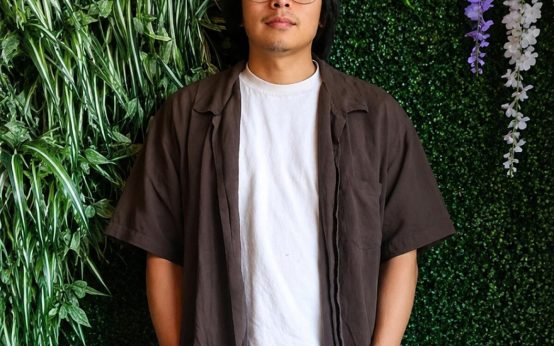 Samuel Gonzalez Terrones: A Heartbreaking Story of Immigration and Mental Health
  Challenges Faced by Individuals with Mismatched Identification
 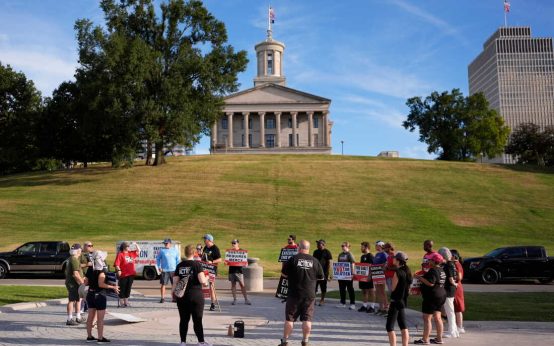 Gathering for Mercy Protest Against Death Penalty at Tennessee State Capitol
  Experiences and Stories from a Fox News Contributor
  Celebrating the Life of Journalist Jodie T. Allen