
On Monday, global leaders cautiously embraced a new cease-fire deal aimed at ending months of conflict between the United States and Iran. While oil prices fell and fighting in Lebanon showed signs of easing, Iranians expressed cautious relief at the prospect of ending a conflict that has claimed thousands of lives across the Middle East.
The text of the agreement remains undisclosed. Announced on Sunday by President Trump and Iranian officials, the framework includes a 60-day cease-fire to facilitate negotiations towards a lasting peace accord. Mr. Trump stated that the deal would reopen the Strait of Hormuz, a crucial waterway for global energy supplies. This move is expected to alleviate rising U.S. gas prices and provide economic respite for Iran.
Despite the announcement, specifics of the agreement from Iranian officials are pending. Complex negotiations are anticipated, with Iran likely to demand the easing of U.S. sanctions and the U.S. seeking additional restrictions on Tehran’s nuclear program. Vice President JD Vance characterized the Iran agreement as a significant step towards peace but acknowledged critical unresolved details, particularly regarding Iran’s stockpile of highly enriched uranium.
Concern remains over Lebanon’s fate, where the Israeli military has been active against Hezbollah. Iran and Pakistan indicated the agreement calls for an immediate halt to military operations, including those in Lebanon. Despite this, Israel remains opposed to withdrawing troops from Lebanon.
The framework is expected to be signed by U.S. and Iranian leaders in Geneva on Friday.
President Trump calls The Times: In a recent call with The Times, President Trump justified his military actions against Iran, claiming they had strengthened America’s position in the Middle East and protected Israel from nuclear threats.
Strait of Hormuz: Trump also announced via social media the removal of the U.S. naval blockade on Iranian ports, a move to support global economic recovery after the shock waves of the war.
Europe meetings: Trump is traveling to France for the G-7 summit, where the Iran agreement will be a prominent topic.
While Democrats and Republicans largely reacted along party lines, Senator Lindsey Graham expressed skepticism about the Iran deal’s effectiveness in restraining its nuclear ambitions. As details emerged, criticism within Israel followed.
In Tehran, Esmail Baghaei, Iran’s Foreign Ministry spokesman, offered insights into the Iranian view, insisting that Iran would not impose tolls in the Strait of Hormuz, although fees for services could be considered.
Safety concerns continue to hold back the resumption of shipping in the Strait, with companies cautious and seeking more information on security assurances.
Israel and Hezbollah scale down hostilities: Following the ceasefire announcement, reports indicated a reduction in military activity in Lebanon, though uncertainties linger.
Shipping firms remain cautious as they await comprehensive details of the U.S.-Iran agreement. Hundreds of vessels have been stranded in the Persian Gulf since the U.S. and Israeli attacks on Iran in late February.
Leaders worldwide welcomed the progress towards reopening the Strait of Hormuz, a vital oil and gas route, expressing hope for regional stability and global economic recovery.
Nevertheless, significant issues, including Iran’s nuclear program and its frozen assets, remain unresolved. The situation in Lebanon, where Israel and Hezbollah remain engaged in conflict, further complicates the path towards peace.
Oil prices drop: The price of Brent crude fell by nearly 5% to about $83 per barrel following the announcement, reflecting optimism over restored shipping through the Strait of Hormuz.
Stocks in Asia rose, with notable gains in South Korea, Japan, and Taiwan as hopes build for an economic turnaround.
U.S. gasoline prices remained steady, yet overall inflation is expected to increase slightly. While energy flows through the Strait could prevent a recession, the impending deal may not immediately curb rising inflation rates.
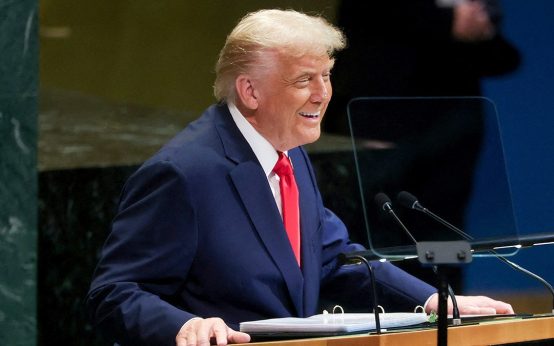 Trump’s Vision for Global Security: Iran, AI, and the Role of the U.S.
  Concerns Raised Over Canadian Assisted-Dying Program
 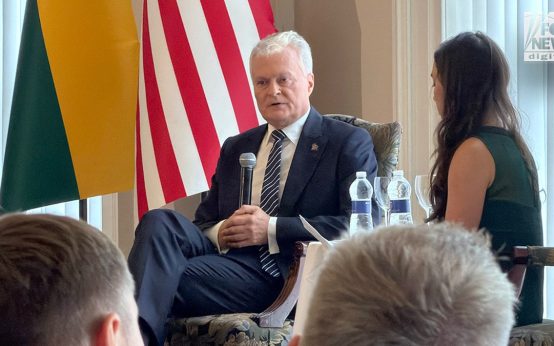 Lithuanian President Urges U.S. to Maintain Military Presence Amid NATO Challenges
 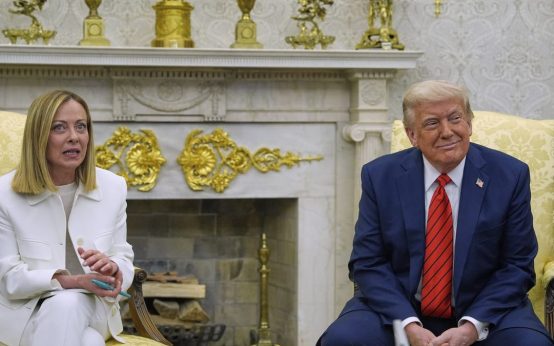 Italian PM Giorgia Meloni Skips UN General Assembly Amid U.S. Tensions
 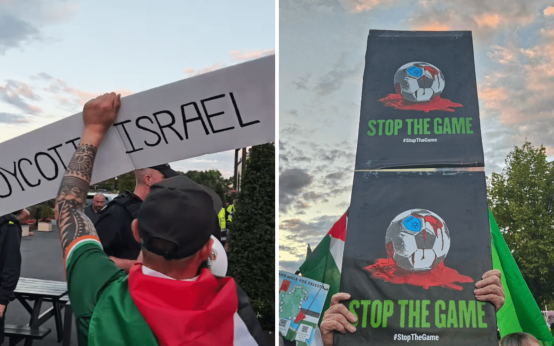 Ireland Faces Calls to Boycott Matches Against Israel
  Social Media Influencer Faces Serious Charges