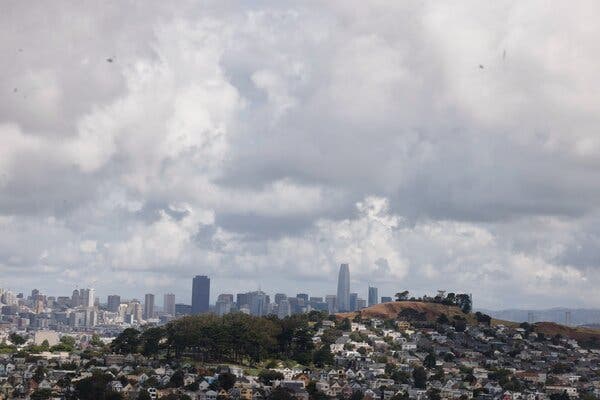
High temperatures across the San Francisco Bay Area will reach into the 90s on Thursday, forecasters said. Some parts of the Bay Area could approach 100 degrees, according to the National Weather Service. This brief period of intense heat will push temperatures well above seasonal averages, prompting fire officials to closely monitor dry, windy conditions that could quickly become hazardous.
San Francisco is expected to hit 82 degrees, which is 16 degrees higher than the average for this time of the year. Coastal communities are likely to remain in the cooler 60s and 70s, while inland valleys could climb into the 90s. Elevated areas might see temperatures nearing triple digits, according to Rachel Kennedy, a meteorologist with the Weather Service’s Bay Area office.
Additionally, mountain regions north of the Bay and parts of the East Bay Hills are under a red flag warning from 11 p.m. Wednesday until 9 a.m. Thursday. The warning indicates that dry fuels combined with certain weather conditions increase the likelihood of wildfires igniting and spreading swiftly. Pacific Gas & Electric, the region’s primary power utility, has proactively shut off power to selected homes and businesses when the fire risk is high.
Wind gusts could reach up to 45 miles an hour, with some locations experiencing speeds exceeding 60 mph, Ms. Kennedy noted.
Relief from the heat is anticipated by Sunday, as cooler air moves into the Bay Area, bringing San Francisco’s temperature to a sunny 71 degrees.
Fire officials urged residents to exercise caution. Elevated fire restrictions in East Bay parks ban campfires, barbecues, welding, and off-road driving. The primary concern is human activity, not natural phenomena like lightning. As Khari Helae, assistant fire chief for the East Bay Regional Park District, explained, even minor actions such as mower blades hitting rocks, vehicles emitting sparks, or performing yard work in high temperatures can lead to wildfires.
“Ninety percent of fires are human-caused, so if we can restrict the human component, we’ve eliminated 90 percent of the problem,” Mr. Helae said.
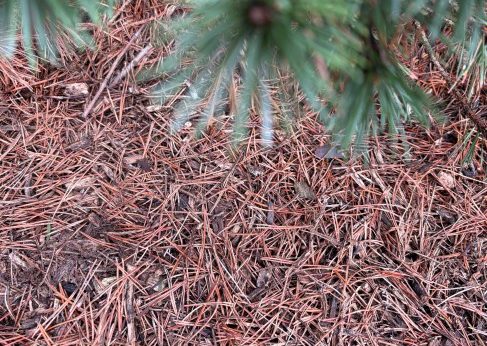 Managing Euonymus Scale Infestation in Pachysandra
 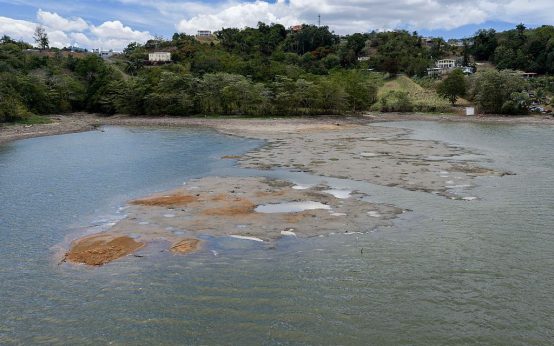 Puerto Rico’s Water Crisis: Infrastructure Challenges and Civic Engagement
 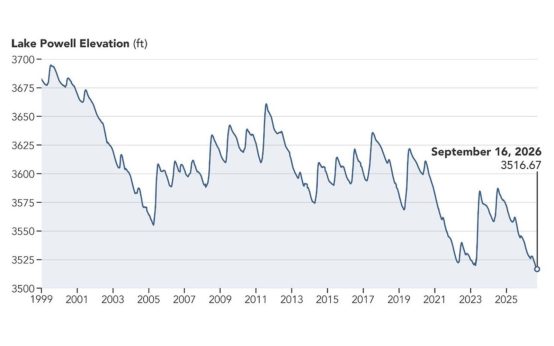 Satellite Images Show Dramatic Retreat of Lake Powell Over Nine Years
 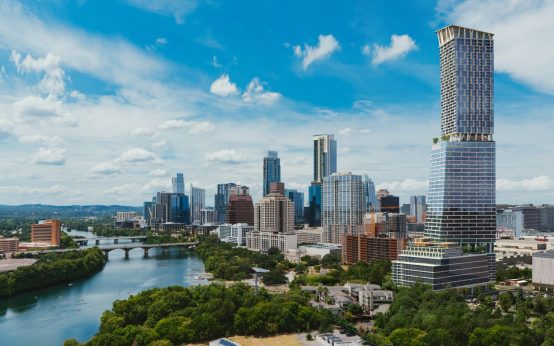 Texas’s New Tallest Skyscraper: Waterline Marks Architectural Progress
 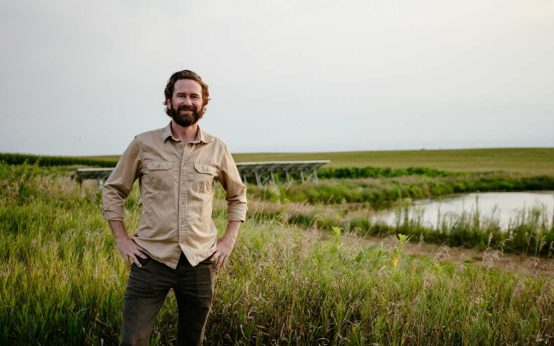 Transforming Faaborg Family Farm from Hogs to Mushrooms
 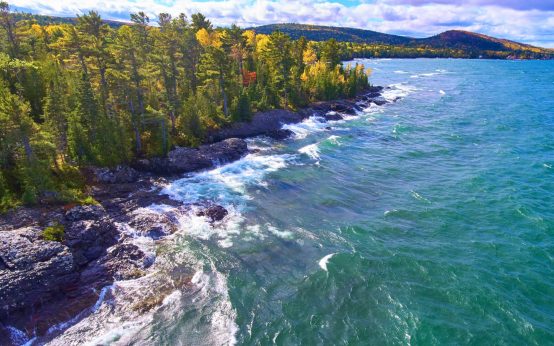 Great Lakes Face Beach Hazards Due to Dangerous Currents