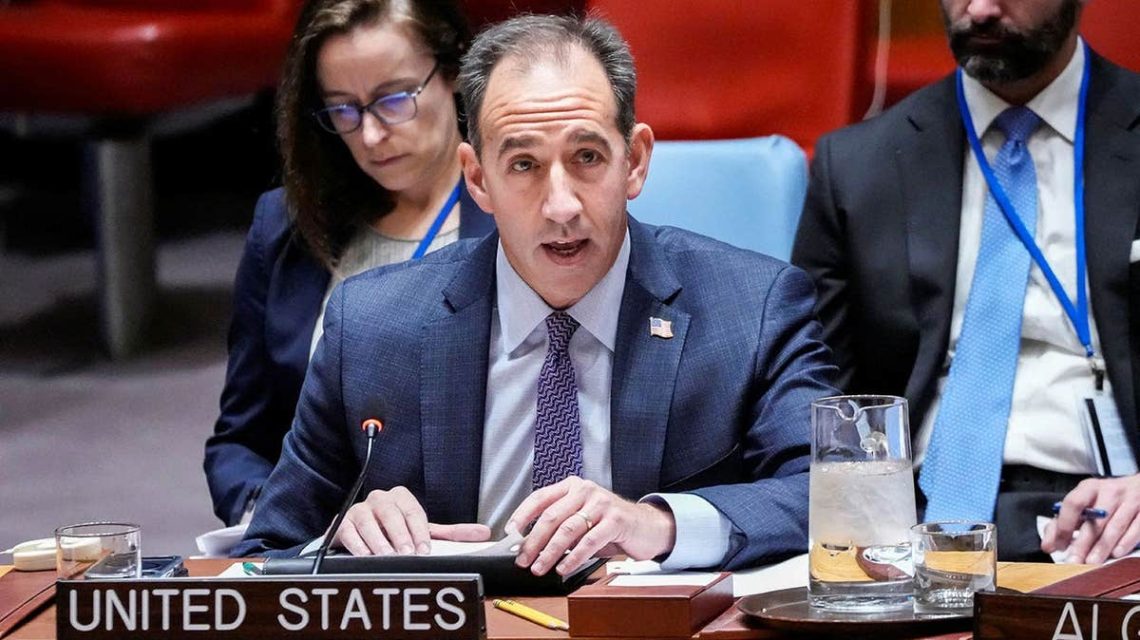
Jeff Bartos, nominated by President Donald Trump to be the U.S. ambassador for United Nations Management and Reform, faced skepticism during his 2025 Senate Foreign Relations Committee confirmation hearing. Committee members questioned the viability of his role, given the widely recognized bureaucratic nature of the UN.
UN Reform Aspirations
Despite initial doubts, Bartos has observed changes within the UN framework. In an interview with Fox News Digital, he discussed a broad campaign to reform the UN, criticized for inefficiency and losing sight of its mission. As the organization faces budget constraints, leadership changes, and scrutiny from the Trump administration, the push for reform has crucial implications for the UN’s future.
Mike Waltz, U.S. Ambassador to the UN, highlighted issues the institution is grappling with, such as delayed member payments and significant contributions owed by the U.S. The Trump administration signals that support depends on reform. Bartos notes historic results, with $570 million cut from the budget and 2,900 positions eliminated in unanimous agreements among all 193 member states.
Budget and Structural Reforms
The administration’s pressure has led to significant budget negotiations. One such reform involves modifying reimbursement for countries contributing equipment to peacekeeping missions. Previously, reimbursement depended on equipment presence. A new approach bases reimbursement on equipment usage, potentially saving about $30 million annually. Bartos emphasizes that this reflects a cultural shift towards greater efficiency and accountability.
Bartos argues that addressing employee compensation and pension structures could free resources for humanitarian activities. However, UN officials contend many reforms were already underway. Secretary-General António Guterres has pushed for structural reform, arguing that serious changes require difficult decisions.
The Guterres’ Reforms and Future Leadership
The UN80 initiative, Guterres’ key reform project, aims to cut redundancy and enhance efficiency. Bartos believes U.S. involvement accelerated the reform pace. The UN faces liquidity challenges due to delayed payments, and member states are urged to fulfill contributions fully and promptly. Guterres emphasizes the risk of financial difficulties unless rules are modified.
As the search for Guterres’ successor begins, reform becomes central in discussions with potential candidates. Bartos hopes the next leader will support efforts to reduce bureaucracy, aligning with a focus on core functions. Challenges remain significant, with Bartos drawing parallels between his experience in government and his background as an endurance athlete.
Bartos mentions personal motivations, citing encouragement from his wife to re-engage in public service following threats to Israel. Involved in efforts post-2023 Hamas attacks, he is now tackling institutional biases within the UN.
Challenges of Addressing Anti-Israel Bias
U.S. officials stress a commitment to dismantling biases. Criticisms arose following UN reports on conflict-related sexual violence, where Israeli forces were listed alongside other entities. Israel rejected these allegations, suspending dialogue with the Secretary-General’s office. Waltz criticized what he perceives as institutional antisemitism, urging the UN to combat it effectively.
Bartos recognizes the embedded anti-Israel stance in various UN entities, striving to alter this through diplomacy and funding strategies. Conversely, UN representatives hold that mechanisms dealing with human rights are member-state-driven, and the Secretary-General’s authority is limited in those areas.
The ongoing question is whether the UN will evolve adequately to satisfy its primary financial supporter, as efforts for change continue under Bartos’ guidance.
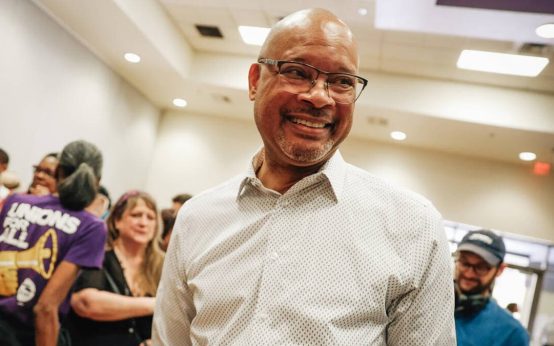 Nevada Attorney General Faces Questions Over Clemency Bid
  Concerns Raised Over Canadian Assisted-Dying Program
  Trump Administration’s Crackdown on ACA Coverage
 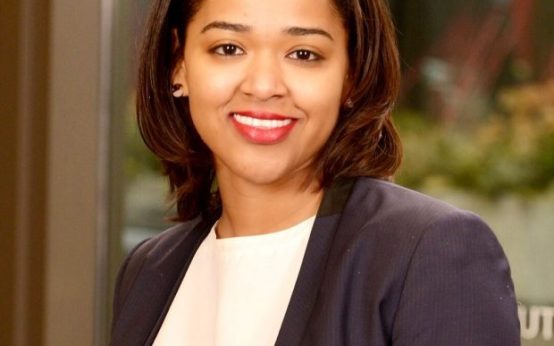 Shakeup in Mayor Johnson’s Administration with Key Retirements and Appointments
 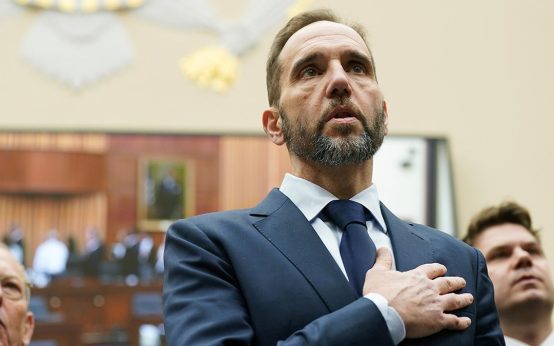 House Republicans Challenge DOJ Over Smith Investigation
 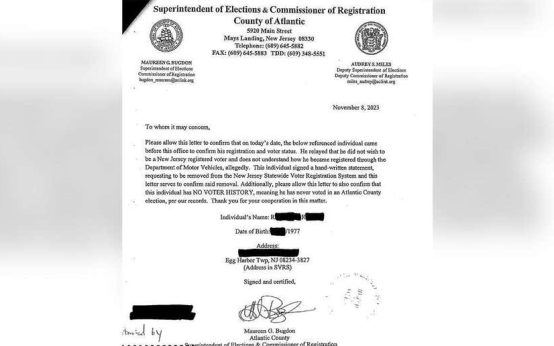 RNC Sues New Jersey Over Voter Roll Transparency