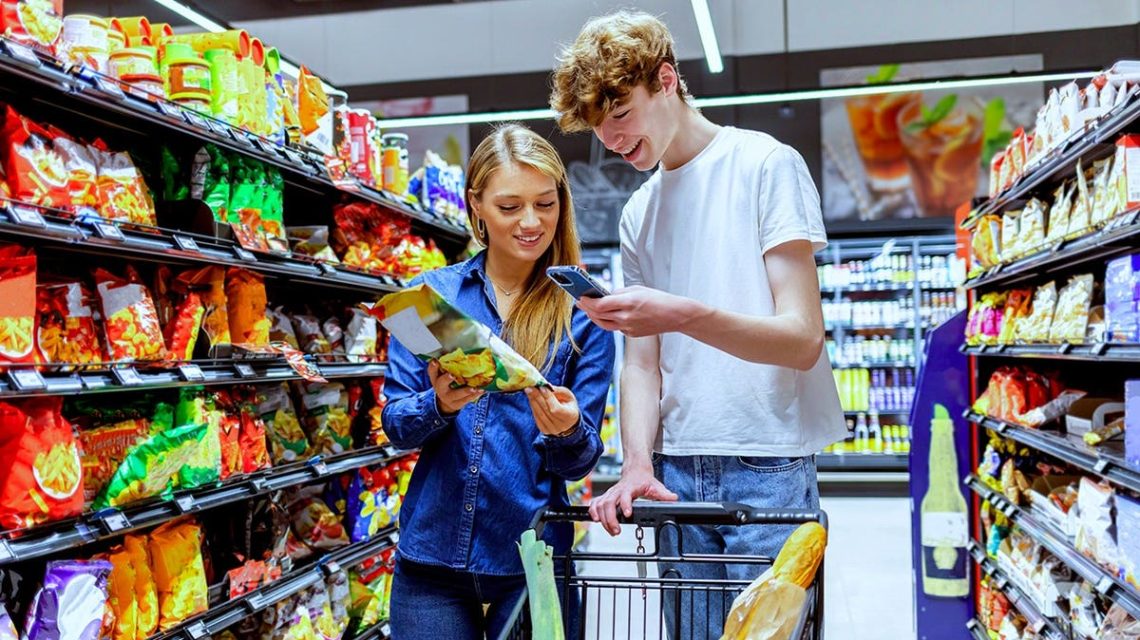
The demand for snacks in the grocery aisle is shifting as younger consumers, particularly Gen Z and Gen Alpha, prioritize different values. These changes are largely driven by a focus on simpler ingredients, more nutritional benefits, and cost-effectiveness, as shown in data from NielsenIQ.
Rising Demand for Simple and Nutritional Snacks
Data from NielsenIQ, as reported by the National Association of Convenience Stores (NACS), reveals that 35% of parents with Gen Alpha children, born after 2010, are prioritizing natural ingredients in snacks. Additionally, 34% are looking for high-protein options.
Chris Costagli, vice president at NielsenIQ, noted that there’s a demand for cleaner and more transparent products among Gen Alpha. Social media is playing an increasing role in influencing younger consumers’ snack choices.
Regulatory Actions and Consumer Preferences
About 25% of consumers are seeking snacks free from synthetic additives, including dyes. The Food and Drug Administration (FDA) plans to ban Red Dye No. 3 from food products and drinks by 2027, which is prompting brands to rethink ingredients and marketing strategies.
According to Innova Market Insights, health-focused trends such as protein-packed snacks and products supporting gut health are gaining popularity. Consumers are also focusing more on labels, searching for organic and gluten-free certifications.
Skepticism Towards Traditional Brands
Younger shoppers are more skeptical of traditional brands’ claims. Hana Ben-Shabat, author of “Gen Z 360,” states that young consumers tend to rely on third-party sources, influencers, and reviews when deciding on products.
NielsenIQ data shows that Gen Z users frequently use apps like Yuka and Fooducate to scan barcodes and evaluate products. About 30% trust these apps more than the packaging itself.
Transparency and Social Media Impact
Brands are responding to these demands by simplifying labels or being more transparent. Mitchell Madoff, head of retail partnerships at Keychain, mentioned that products like RXBAR display ingredients upfront, fulfilling the demand for transparency.
Social media continues to impact how new snack products gain popularity. Platforms like TikTok and Instagram are where Gen Z and Gen Alpha learn about products, with viral content often driving sales. For example, the prebiotic soda, Poppi, has gained momentum through online buzz and influencer engagements.
Adapting to Economic Pressures
Economic pressures influence purchasing behaviors among younger generations. Although faced with higher per-unit costs, many prefer smaller packages. They show a willingness to spend more on snacks perceived as healthier, as reported by the NACS.
Despite these changes, the demand for snacks is robust. Surveys from Innova Market Insights indicate that about three-quarters of consumers snack daily, with adventurous tastes for global flavors and nostalgic selections remaining popular.
Deirdre Bardolf contributes to Fox News Digital as a lifestyle writer.
 Bedsure Heated Blanket: A Cozy Essential for Fall and Winter
  Steve Lotysz: From Gates to Galleries
  Summer’s Major Disappointments and Season Preferences
  The Shofar: A Symbol of Healing and Redemption
  Family Mourns the Loss of Presley Gerber
 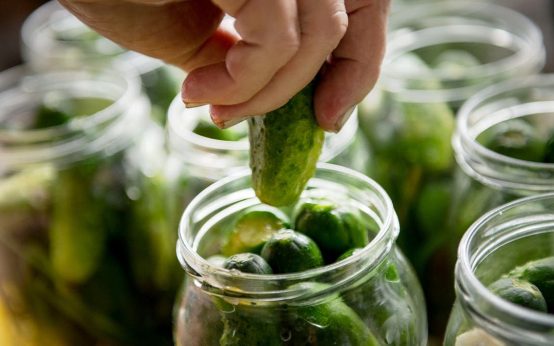 Pickle-Flavored Snacks Surge in Popularity: A Social Media Driven Craze