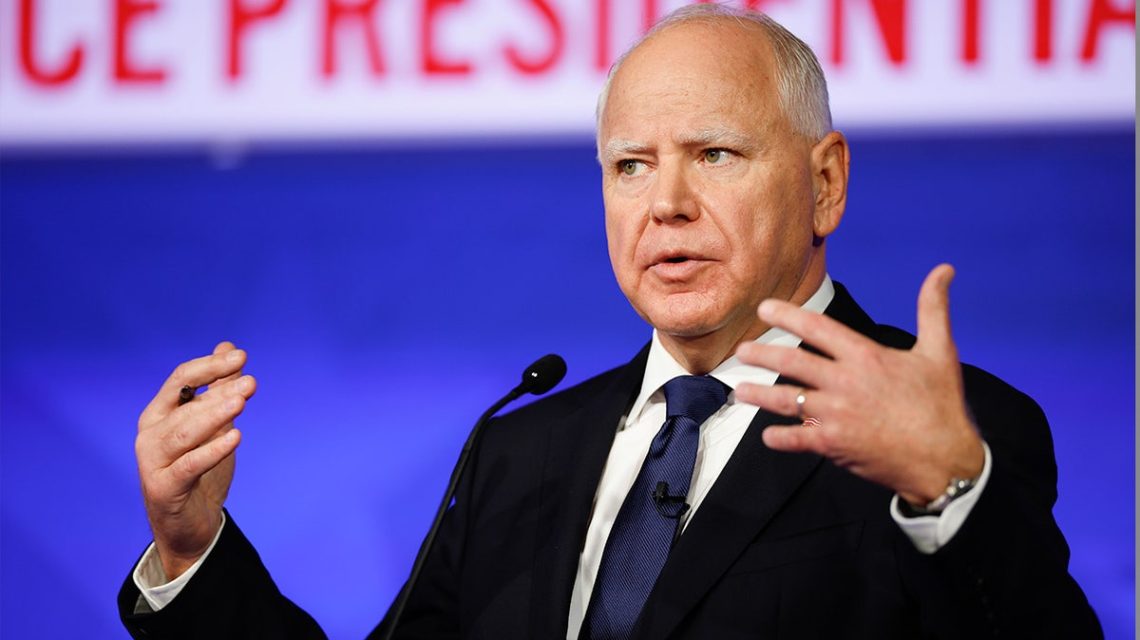
Public school teachers in Minnesota are now required to examine their biases and perceptions as part of a new race standard. This change, described as “horribly disgusting” and “crazy” by Republican state Sen. Mark Koran, aims to address systemic oppression within the classroom. Koran criticized the policy, labeling it as contributing to the deterioration of education in the state.
The “Standards of Effective Practice” in Minnesota demand that teachers assess how their biases might influence their teaching and perpetuate oppression. Teachers are also required to use tools to change their behavior to disrupt these systems. Koran views this as forcing educators to acknowledge being oppressors, which he finds unacceptable.
Criticism has also been aimed at Governor Tim Walz, accused of being aligned with radical agendas and unions pushing for these changes. Minnesota has revised all teaching licensing standards, insisting teachers include understandings of the “oppressed” and “oppressor” dynamics into their curriculum.
In addition, teachers must be knowledgeable about how prejudice, discrimination, and racism function at all societal levels. They should understand how historical laws and policies have created inequitable opportunities within the education system, particularly affecting Indigenous students and other marginalized groups.
Policy 425, adopted by over 50 school districts, brings race-based incentives for teachers of color and American Indian teachers. It includes retention strategies like affinity groups and protection against layoffs.
The guidebook also addresses the educational impacts of trauma, requiring teachers to employ culturally responsive strategies to support students. Koran believes this “political ideology” will drive teachers away from public education.
Amid these changes, academic performance in Minnesota schools has declined. Koran notes that half of the students cannot read or write at grade level despite high graduation rates. This contrast has raised concerns about whether the focus is more on equity than educational outcomes.
Minnesota’s leadership is under scrutiny, particularly Governor Walz, for this and other issues, including a significant fraud scandal in recent history. Koran emphasizes the importance of gubernatorial influence and the need for Minnesota to return to a more effective educational path.
The Minnesota Professional Educator Licensing and Standards Board, as well as the state’s largest teachers’ union, Education Minnesota, have been contacted for comments on these developments.
 Implications of Stripping Tax-Exempt Status from Schools Engaging in Racial Admissions Policies
  Challenging Inappropriate Books: The Struggle Against Criticism
  AI’s Impact on College Admissions Jobs
  Community Colleges in Chicago Prepare for AI’s Role in Workforce
  Sunny Hostin Discusses Challenges of Racism in Private Schools
  Nikole Hannah-Jones Reflects on School Choice