
Xavier Becerra, a Democrat once considered unlikely to succeed, will advance to the November election for California governor after securing a top-two finish in this week’s primary. The Associated Press confirmed his advancement on Friday.
Becerra’s impressive performance marks a remarkable turnaround in the California governor race. His victory could make him California’s first Latino governor of the modern era if he wins in November. Voters expressed appreciation for his extensive career in government, setting him apart from less experienced candidates.
In the contest for the second spot, Steve Hilton, a Republican and former Fox News host, and Tom Steyer, a Democrat and former hedge fund manager, remain in a tight race as election officials continue counting millions of ballots. California’s nonpartisan primary system allows the top two finishers, regardless of party affiliation, to proceed to the November election.
This week, Hilton led in initial returns, benefiting from early Republican voter turnout. Many Democrats reported waiting until the final week of voting, wishing to observe the race’s development prior to deciding.
The race decision came on Friday when Becerra overtook Hilton to claim the lead in the returns. It remains uncertain whether Hilton will manage to fend off Steyer, who has been gaining ground since Election Day but still lags in third place.
Should Becerra face Hilton in the general election, he would likely be a strong favorite. No Republican has successfully captured statewide office in California since 2006. Hilton’s endorsement from President Trump could further challenge his prospects in a state where Trump is largely unpopular.
 Rep. Alexandria Ocasio-Cortez Defends Macklemore Amid Tour Controversy
  Influence Concerns Surround California Political Donors
  Michigan Senate Race Sees Influences from Soros-Linked Funding
 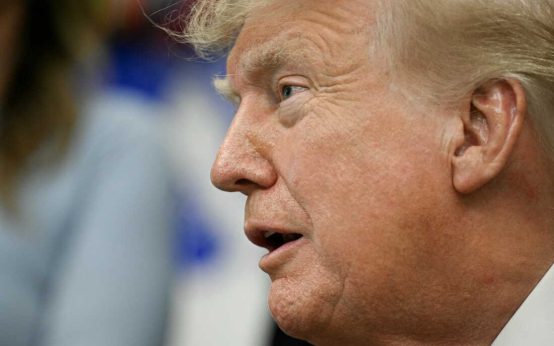 Trump Seeks Diplomatic Success at the U.N. Amid Challenges
 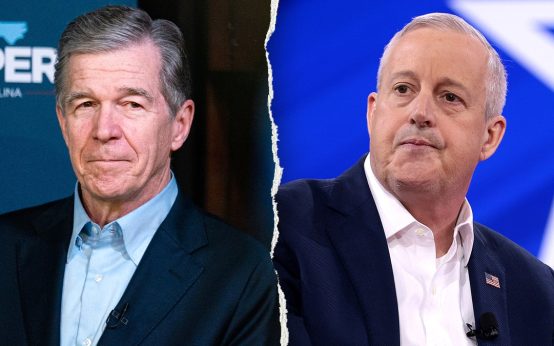 North Carolina Senate Race Influenced by Abortion Policy Messaging
 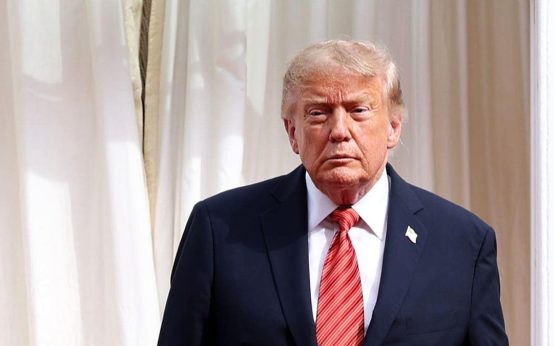 Trump Pressures Republicans on Filibuster Threat