
In a recent ruling, a Wisconsin appeals court upheld a 2011 state law that significantly curtailed collective bargaining rights, presenting a setback for unions and public workers. The law, often referred to as Act 10, remains in effect as it has for the past 15 years, although unions intend to appeal the decision to the Wisconsin Supreme Court, which currently has a liberal majority.
Originally enacted amidst intense protests, Act 10 ended most public employees’ rights to negotiate over wage increases and other employment conditions. It also required them to contribute more towards health insurance and retirement benefits. Proponents of the law argue that it provides local governments with greater control over personnel while enabling cost-cutting measures. They warn that repealing the law could lead to financial strain for schools and local governments.
Opponents of the law contend that it has undermined schools and governmental agencies by removing employees’ rights to negotiate on salary and working conditions. Christina Brey, representing the unions challenging the law, expressed confidence in their legal position and highlighted the importance of collective bargaining rights in workplaces across Wisconsin.
Former Governor Scott Walker, who was instrumental in the law’s passage, applauded the court’s decision. He framed it as a victory for taxpayers and local governance. Despite the law’s controversies, all five Democratic candidates for governor in the upcoming election have pledged to overturn it if they win. The primary is set for August 11.
The passage of Act 10 sparked massive protests at the state Capitol, attracting up to 100,000 demonstrators. The law’s enactment marked a key campaign promise for Walker and played a significant role in his subsequent political career, including an unsuccessful presidential bid.
Although Act 10 has faced multiple legal challenges, it has withstood them until now. This latest lawsuit, filed by seven unions and three union leaders, claims the law unconstitutionally exempts firefighters and other public safety workers. However, attorneys for the state argue these exemptions have precedent and the case should be dismissed.
The appeals court, with a 2-1 decision, overturned a previous ruling by Dane County Circuit Judge Jacob Frost, asserting the law does not violate the state constitution’s equal protection guarantees. The panel emphasized respect for legislative fiscal decisions and warned against using judicial changes to advance political agendas.
Concurring with the majority, Appeals Court Judge Shelley Grogan criticized the timing of the lawsuit, noting it was filed shortly after the Wisconsin Supreme Court shifted to a liberal majority. Conversely, Appeals Court Judge Lisa Neubauer dissented, siding with the lower court’s view that the law’s selective exemptions lacked rational basis.
 North Carolina Senate Race Influenced by Abortion Policy Messaging
 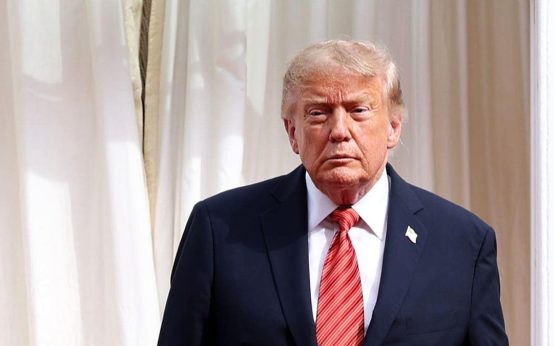 Trump Pressures Republicans on Filibuster Threat
 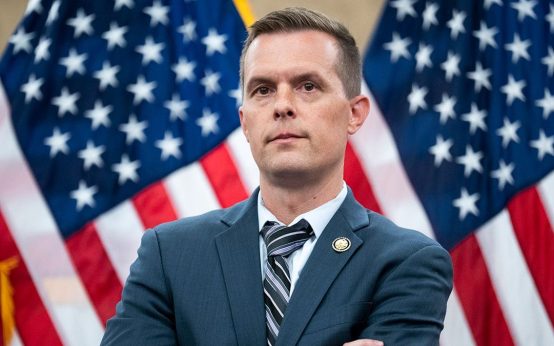 Rep. Golden Endorses Rep. Lawler for Re-election
  Public Perception and Political Impact of Data Centers
 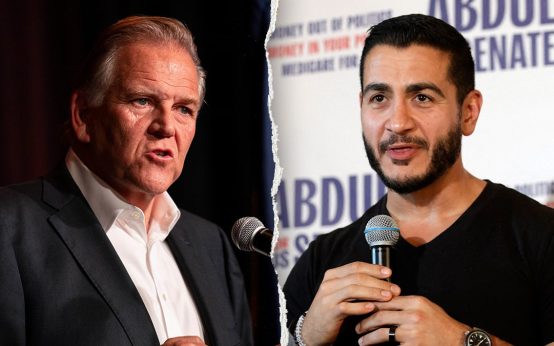 Jewish Democrats in Michigan Shift Support to GOP Candidate in Senate Race
  Mayor Mamdani and President Trump Discuss Major Housing Project in NYC