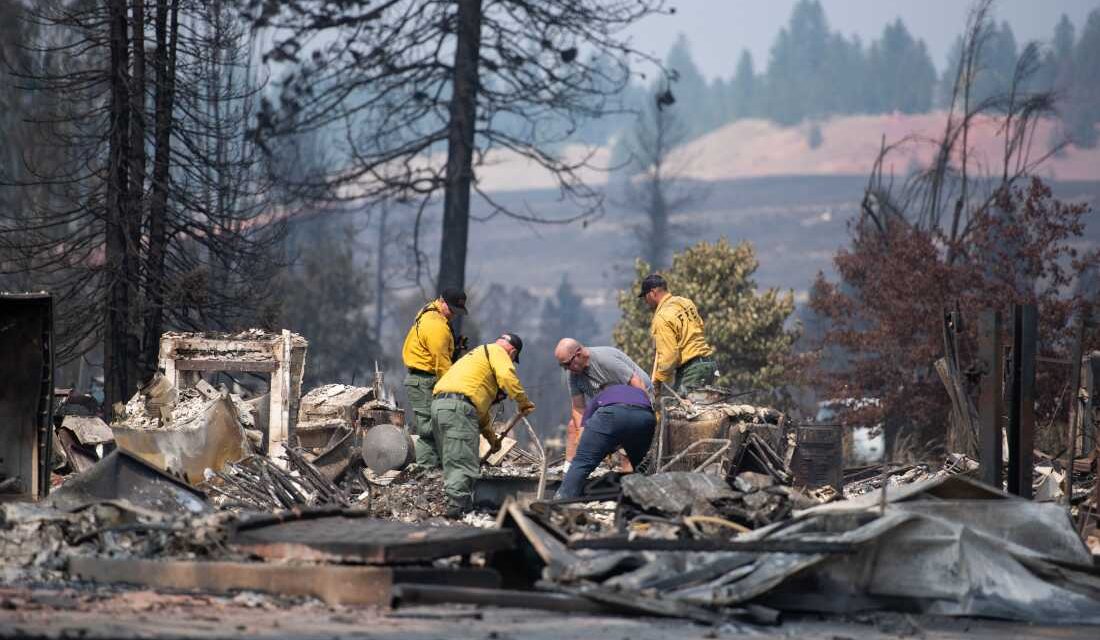
The city of Spokane, Washington, faces devastation from wildfires that have disrupted its neighborhoods. This metropolitan area, with over half a million residents, witnessed entire areas destroyed. Roughly 65,000 people were evacuated. Despite this, a greater catastrophe was avoided, and no deaths have been reported, according to Sarah Nuss, the city’s emergency management director.
More than 800 structures were lost in Spokane County, but emergency management notes that timely evacuations helped prevent fatalities. The efficient evacuation thing was significant, highlighted by Spokane County Sheriff John Nowels, as entire communities, risk centers, and a Veterans Affairs hospital campus were moved to safety within hours.
Comparative Context of Wildfire Impact
When evaluating Spokane’s situation, past events offer dire comparisons. For instance, January 2025 saw the deaths of over 30 people in Los Angeles County’s fires. In 2023, the Lahaina fires in Maui claimed over 100 lives, and the Marshall Fire in Colorado in 2021 resulted in two fatalities. Unlike these fires, Spokane managed a rapid evacuation, which authorities credit for saving lives.
Residents Terry and Warren Clark, living in the Wildland Urban Interface (WUI), faced the rapid fire firsthand. Their proximity to dense pine forests meant they were at high risk, yet they, and their house, survived.
Enhanced Fire Management and Prevention
Experts point to improved fire forecasting and preparation that have enhanced response times in the region. Hugh Safford, an environmental science professor, emphasized improved forecasts, red flag warnings, and response readiness as key in tackling these fires.
Spokane had warnings about extreme conditions spreading fast. City’s emergency management conducted preemptive evacuation drills which possibly helped avert traffic chaos, according to Sarah Nuss.
Growing Risks in Firefighting
The inland Northwest experienced one of its driest, warmest winters recent memory, heightening fire dangers. Wildfires have increased over the last decade, worsened by climate change and development in WUI zones.
The challenge remains in addressing broader systemic factors. Continued development into wildlands, past suppression of natural fires that curbed fuel buildup, and rising temperatures from CO2 emissions contribute to increasing wildland firefighting dangers. Firefighting has become perilous, claiming the lives of five firefighters recently.
Jose Ibarra, a firefighter from Salem, Oregon, highlighted this shift as Spokane’s fires burned through town areas typically not affected this severely. Continuous efforts in these wildfire-prone landscapes are crucial for reducing further damage.
 Suncor v. Boulder: Understanding the Supreme Court Case and Its Implications
  Hawaii Faces Challenges from Record-setting El Niño and Hurricanes
  The Endangered American Red Wolf: A Conservation Story
  Unexpected Ocean Conditions Bring Challenges to Ventura County
  Trump Administration Reduces Car Fuel Efficiency Standards
  Justice Alito Recuses Himself from Key Climate-Change Case