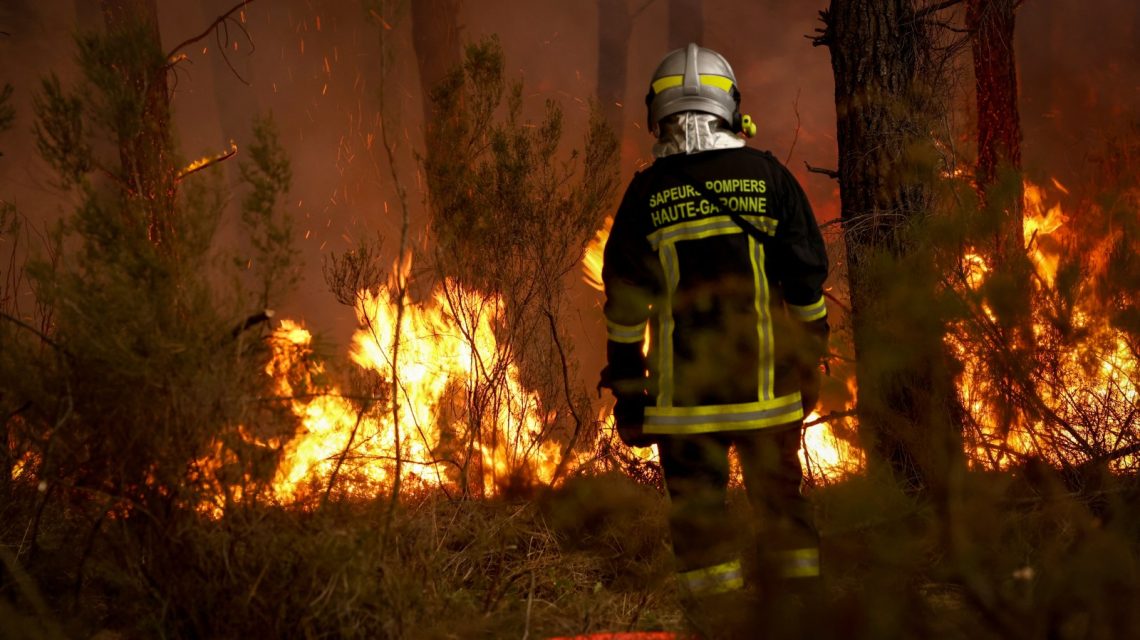
Wildfires are advancing rapidly across urban and rural areas in Europe and North America, necessitating mass evacuations and blanketing regions in smoke. Southwestern France is facing significant threats, particularly near Bordeaux, leading to widespread evacuations. Spain witnesses tens of thousands fleeing central and eastern areas due to fires. Across the Atlantic, Canada is battling hundreds of fires with smoke affecting the United States.
Experts recognize these fires as part of a broader trend tied to heat, drought, and dry vegetation, compounded by prolonged warm weather. Historically, extreme wildfires were infrequent occurrences in these regions, but conditions have changed. Brandon Buckingham, a meteorologist at AccuWeather, notes the growing evidence indicating changes in fire behavior and frequency, attributed to a shifting climate.
Europe’s Intense Fire Season
France and Spain are at the epicenter of Europe’s latest wildfire crisis. Fires are significant threats approximately 15 kilometers from Bordeaux’s metropolitan area. Around 220,000 people evacuated in France, while nearly 100,000 in Spain have fled their homes.
Spain faces fires particularly in Madrid, Ávila, Toledo, and Castellón, with vast acreages charred. Although the devastation is notable, scientists state this isn’t Europe’s worst fire year. Buckingham points out that 2025 was Europe’s most severe year in terms of wildfires, and 2026 follows closely.
The European Commission’s report as of July 22 shows 1,254 fires in the EU, doubling the long-term average. Droughts alongside multiple heatwaves have exacerbated fire conditions, similar to the historic dry conditions witnessed in 2022.
Theo Keeping, a researcher at Imperial College London and World Weather Attribution, highlights the extremity of fires in Spain and France attributed to intense heat and dryness, more likely because of climate change.
Wildfires Across Europe: Noteworthy Incidents
Portugal grapples with serious fires, such as those in Vouzela, involving over 1,200 firefighters and 15 aircraft to tackle blazes by early July. Greece faces multiple wildfires, with tragic losses including fatalities near Thessaloniki and mandatory evacuations prompted by advancing fires.
The U.K., facing what experts refer to as a “firewave,” sees wildfires across England, Wales, and Scotland amid consecutive heat waves. Emergency services tackle multiple incidents, revealing the impact of hot, dry weather on ignitions and rapid fire spread.
North America’s Active Fire Season
North America’s fire season is disrupting normalcy. The U.S has reported over 4 million acres burned, surpassing averages of previous years. The National Interagency Fire Center noted over 42,000 fires affecting vast land areas.
Canadian fires pose a public health threat across borders; smoke continuously lowers air quality in certain U.S. parts. The Canadian Interagency Forest Fire Centre registered more than 900 active fires, yet the situation isn’t classified as extreme.
Smoke from Canadian fires degrades air quality, turning wildfires into pressing public health challenges beyond immediate fire zones.
Global Wildfire Patterns
Global regions aren’t immune either; North Africa, Japan, and South America report significant fires. Japan recorded substantial fires in Ōtsuchi, with massive land burned and numerous evacuations. Chile battles fires exacerbated by dry conditions, while significant blazes across North Africa necessitate international firefighting assistance.
Although multiple factors contribute to wildfires, including ignition sources and land management, climate change intensifies heatwaves, exacerbates droughts, and increases the flammability of fuels. This results in unpredictable fire seasons, lacking clear demarcations of start and end.
Buckingham remarked that climate extremes blur traditional wildfire season timelines.
 Court Rules Against Third-Country Deportation Policy
  Claims to Nazi-Looted Art Spark Legal Battle in California
 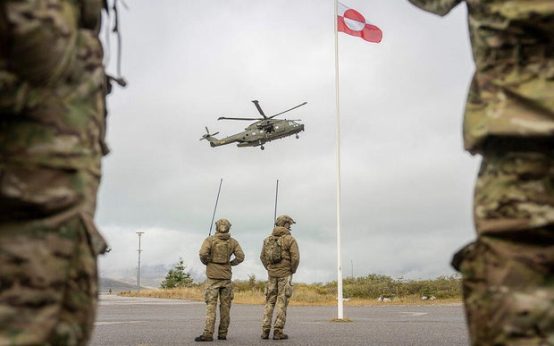 U.S. Secures Strategic Control Over Greenland
 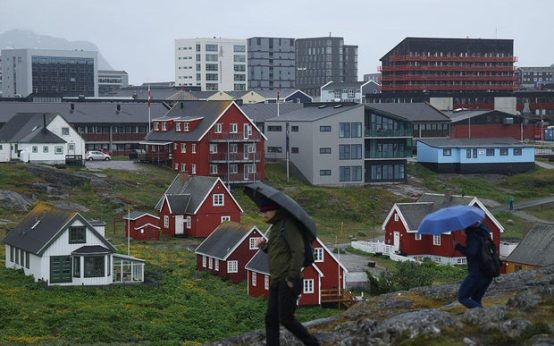 U.S. and Denmark Move Towards Security Agreement Over Greenland
  Managing Euonymus Scale Infestation in Pachysandra
 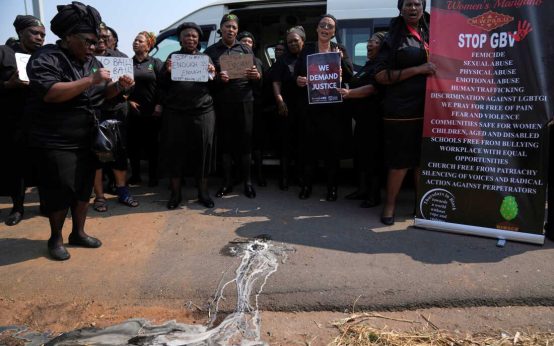 Rising Concern Over Gender-Based Violence in South Africa