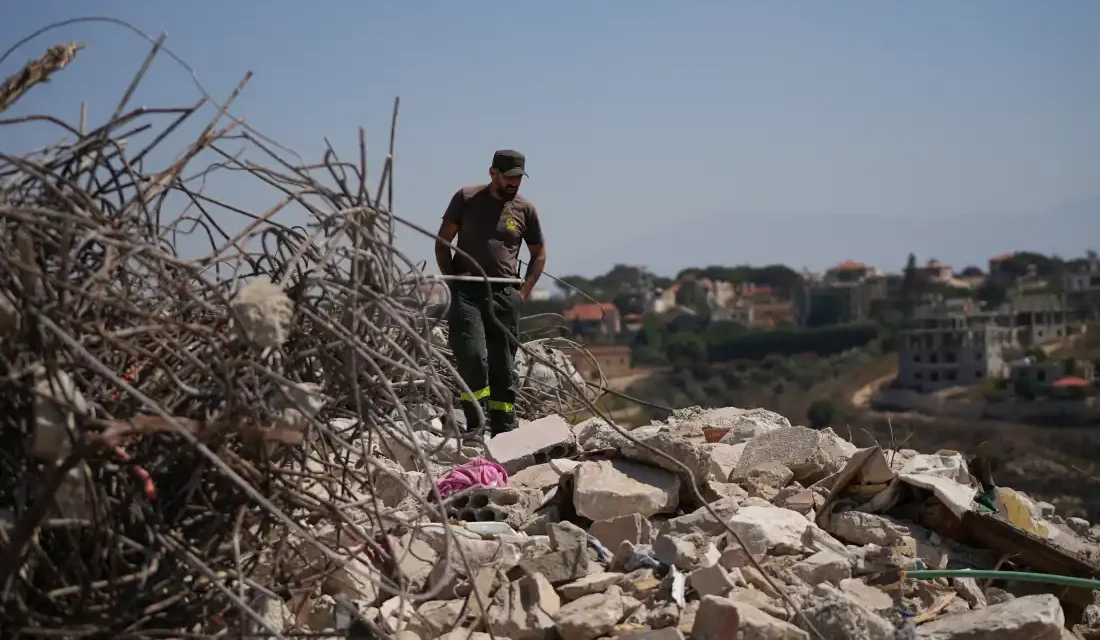
In the village of Zawtar al-Gharbiyah, southern Lebanon, the aftermath of conflict is evident as families try to rebuild. Among them is Atef Kadouh, who returned after Israeli forces demolished his home. For 40 years, Atef and his wife, Soumaya Yaghi, lived here, raising five children. A photo of their youngest, Adel, stands as a reminder of loss. Adel, a sports teacher and aspiring doctoral student, volunteered as an ambulance driver during the recent war. His life ended in an Israeli drone strike on March 28, alongside four other medics.
Soumaya mourns her son, questioning the attack on non-combatants. The Israeli military claims militants pose as medics, though evidence was lacking in this case. The Lebanese Health Ministry reports over 135 medical workers killed by Israeli forces in two years. The Kadouh family returned after a U.S.-brokered plan led Israeli forces to withdraw, making room for the Lebanese army.
Israel’s actions were in response to Hezbollah’s support for Hamas, following attacks on Israel’s southern region. The retreat left widespread destruction. Atef’s home was occupied and set ablaze, and he returned to find it ruined. Appliances were riddled with bullets, and furniture was thrown from balconies. Israeli soldiers left markings, and many homes had explosives, disarmed by the Lebanese army.
The home lacks basic utilities. The solar panels were destroyed. A bulldozer uprooted pine trees vital for income. The scorched land once held diverse crops, including avocado and thyme. Soumaya and Atef reflect on their heavy losses. ‘Starting from scratch,’ says Atef, their livelihood shattered. Yet, the Kadouhs hold a deep connection to their land. ‘Our life is this land. Our life is our homes,’ says Soumaya.
Villagers feel unsupported. Lebanese authorities and parties like Hezbollah offer minimal help. Atef’s sons serve in the military services but highlight the Lebanese government’s inability to provide protection. He emphasizes a need for a well-equipped army. Amid this, Israeli airstrikes continue nearby.
Atef looks to the future with a sense of helplessness over establishing peace. With ongoing losses, he questions reconciling with Israel. Like many in Zawtar al-Gharbiyah, the longing for safety and autonomy remains unfulfilled.
 Georgia Trail Camera Captures Dramatic Wildlife Encounter
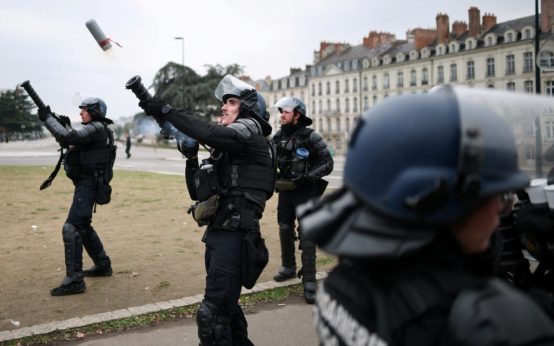 French Protests Prompt Calls to Examine Tear Gas Impact on Women’s Health
 Iran’s Oil Export Tactics amid US Blockade
 Flavio Bolsonaro Claims Political Persecution Led to U.S. Asylum
 Key Developments in U.S. Politics and International Affairs
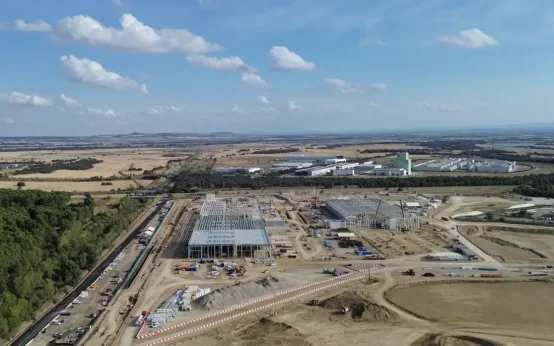 Protests Erupt Against Data Centers in Spain