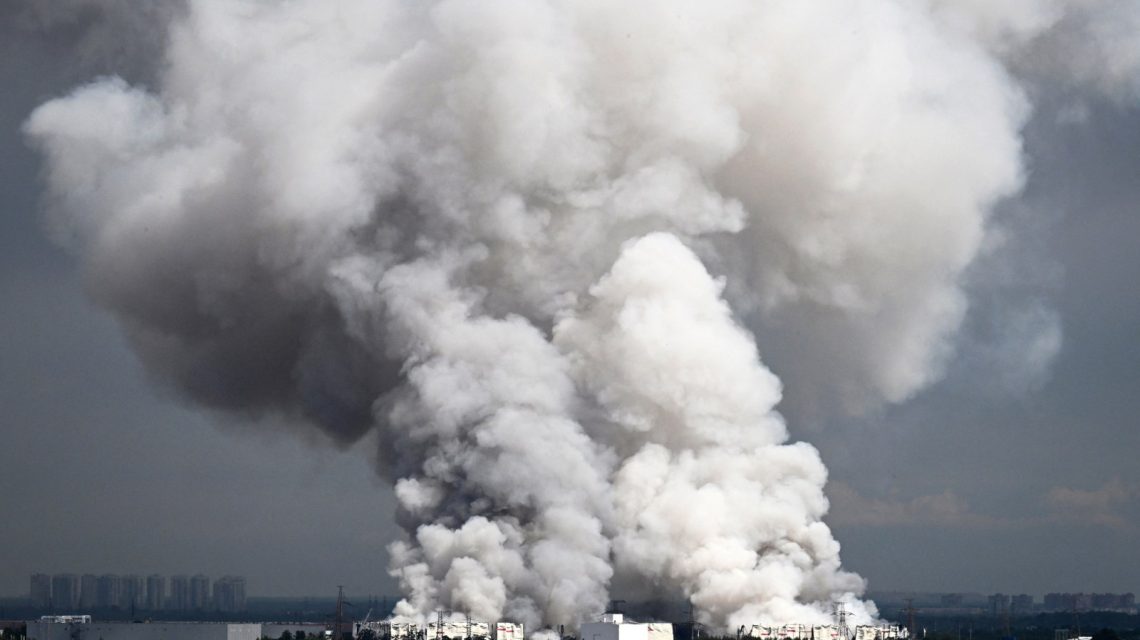
Wildberries, a major online retailer in Russia, is gaining attention due to recent challenges. Ukrainian drones have destroyed eight of its logistics hubs located near Moscow, St. Petersburg, Krasnodar, and occupied Simferopol. This damage has resulted in a loss of more than a tenth of its warehouse capacity. Rebuilding efforts are expected to cost around $460 million, while the loss of merchandise, owned by various small Russian sellers, may add up to billions more.
Russia is facing other difficulties as well. Ukrainian strikes have affected a quarter of its refining capacity, leading to fuel rationing in over half of the country’s regions. Despite being one of the top energy exporters, Russia struggles to supply its own fuel needs.
Donald Trump’s presidency impacted these developments. Critics often labeled him as a Russian asset, yet his policies achieved more than those of previous administrations. During Trump’s term, Russia did not annex any territories. Under George W. Bush, Russia claimed a part of Georgia. Barack Obama saw the annexation of Crimea and turmoil in Donbas. The full-scale invasion occurred under Joe Biden. Trump’s presidency was marked by swift actions to curb issues with Moscow.
Both Republican and Democratic presidents have attempted to manage relations with Russia, often believing previous approaches were flawed. Bush believed he connected with Putin on a personal level. Obama tried a reset with Russia. Biden sought stable relations shortly before Russia’s aggressive moves. Trump’s initial term began with isolationists influencing policy, conceding too much to the Kremlin. Yet, recognizing Moscow’s unyielding demands, Trump promptly adjusted his approach.
Trump’s revised strategy revolves around two main pillars. The first allows Ukraine significant freedom. Europe finances, the U.S. supplies, and Kyiv decides the target of the drones. Earlier caution, which restricted Ukraine’s ability to counteract, ultimately encouraged conflict. Under Trump, these restrictions eased, and Ukrainian drones effectively hit Russian targets.
The second pillar involves expanding U.S. influence in post-Soviet regions while Russia is preoccupied with Ukraine. In the South Caucasus, Trump facilitated peace between Armenia and Azerbaijan, ending a conflict fueled by Russia for decades. The U.S. is now playing a pivotal role in formalizing the treaty that could undermine Russian influence in the area.
In Central Asia, Trump advanced diplomatic and economic ties, hosting leaders and securing significant investments. Kazakhstan and Uzbekistan pledged substantial investments and cooperation with the U.S., moving away from Moscow’s dominance.
These countries are aligning with the U.S. due to longstanding pressure from Russia. Armenia and Azerbaijan have long been in conflict, influenced by Russian power plays. Kazakhstan perceives potential threats similar to Ukraine’s situation. The survival of Ukraine is crucial for these nations, as seen by their leaders openly expressing the need for change.
These shifts are not solely achievements of Trump. Putin’s own actions, such as the kleptocratic regime and resource mismanagement, weakened Russia. American presidents play a role in either exacerbating or alleviating Russia’s downward spiral. Trump capitalized on Russia’s weaknesses, contrasting with previous administrations that sought stability but inadvertently buffered Russia’s decline.
Russia stands weakened since 1991, and neighboring countries anticipate this will persist. The narrative reflects Trump’s legacy in balancing Russia’s self-destruction, regardless of earlier accusations.
The opinions presented belong to Joseph Epstein, director of the Turan Research Center and senior fellow at the Yorktown Institute.
 Assassin of Chilean Diplomat Orlando Letelier Faces Deportation 50 Years After Assassination
  Gorillaz and Macklemore Respond to Controversy Over Israel-Palestine Statements
  Investigation into Lion Deaths in Tanzania
  Merz Stays Resolute Amid Electoral Shifts in Germany
  The Impact of Arts and Closure on Democracy
  U.S. Ambassador Comments on Iran War Duration Amid Political Concerns