
The White House has requested $87.6 billion from Congress in supplemental funding to finance the Iran war. The proposal faces significant challenges for approval.
This request was made official as White House Office of Management and Budget Director Russell Vought wrote to House Speaker Mike Johnson (R-La.), seeking $67 billion for the Defense Department. This amount is lower than the $200 billion previously proposed by Defense Secretary Pete Hegseth in March. Passage of the bill will require bipartisan support, particularly as the conflict in the Middle East remains unpopular with lawmakers and the general public. Concurrently, the Trump administration is advocating for a $1.5 trillion defense budget, marking a significant increase from last year, and negotiating with Iran to resolve the conflict, reopen the Strait of Hormuz, and address Tehran’s nuclear program.
Vought emphasized the urgency in his letter, which outlined spending plans including $1.7 billion for DOD readiness, $17.3 billion for operational costs, and significant allocations for cybersecurity, drones, and munitions.
“I urge the Congress to take action on these important and urgent requests as soon as possible.”
Democratic lawmakers, however, have expressed skepticism. Sen. Chris Murphy (D-Conn) noted that the proposal seems unlikely to gain Democratic support, and Sen. Masie Hirono (D-Hawaii) shared concerns about supporting what she described as funding for an illegal war amidst domestic cuts. In contrast, Sen. Roger Wicker (R-Miss.) supports the supplemental, viewing it as crucial for military readiness.
The ongoing global negotiations and military maneuvers continue to draw the scrutiny of politicians and citizens alike. The request comes amid disputes between the U.S. and Iran over nuclear inspections and shipping routes, as the countries work towards ending the lengthy conflict.
Gen. Chris Donahue, commander of U.S. Army Europe and Africa, plans to retire soon. Maj. Gen. Christopher Norrie will succeed him.
Political and military developments are closely monitored, with upcoming activities such as a conference by the Association of the U.S. Army, Senate Armed Services Committee hearings, and a seminar by the National Institute for Deterrence Studies. Homeland Security officials will also testify on various matters.
Senate Intelligence Vice Chair Mark Warner (D-Va.) has introduced a bill requiring Senate-confirmed Directors of National Intelligence in response to a recent appointment controversy.
Stay informed with timely updates from The Hill’s Defense and National Security newsletter. Discover more about the latest political strategies and defense policies impacting national security.
 Vance Targets Microsoft’s Use of Foreign Workers
  Controversial Incidents Resurface in Colorado Governor Race
 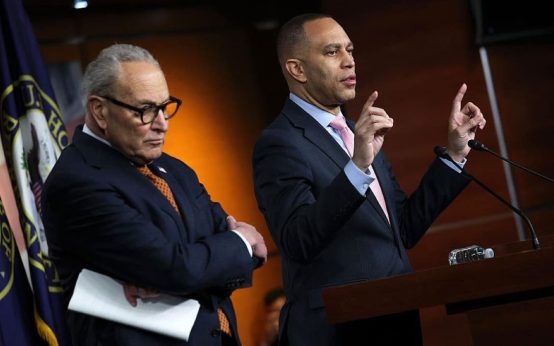 New York City Mayor Zohran Mamdani Under Fire for Comments on Oct. 7 Attack on Israel
  Economic Sentiment and Reality Ahead of Midterms
  Obama Highlights Changing Midterm Map, Urges Vigorous Effort
 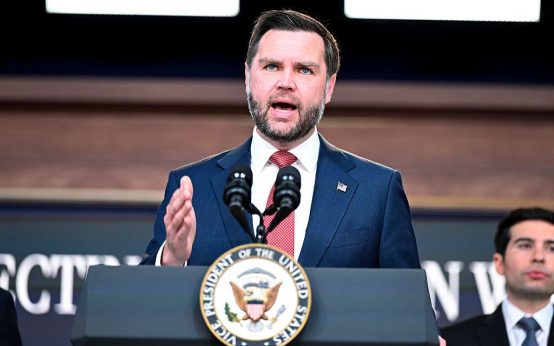 JD Vance Cites Bernie Sanders in Immigration Debate