
In the recent June elections, many California voters have shown a reluctance to approve local tax increases. This trend may indicate financial strain due to rising living costs.
During the election, Riverside residents opposed a sales tax boost aimed at funding essential services like the fire department. Similarly, in Contra Costa County, voters turned down a tax increase for healthcare funding. As of current counts, about 60% of approximately 90 local measures were approved. This is a drop from the 75% approval rate that was usual, based on analysis by the California Taxpayers Association and Michael Coleman, a historian of local tax measures.
The outcome this June may pose challenges for governments in California planning further tax proposals. In November, there may be propositions to support services such as the Bay Area Rapid Transit system.
Mark Baldassare from the Public Policy Institute of California pointed out that the perceived affordability of taxes is a concern for voters. Many people are now evaluating the impacts of higher taxes more carefully and becoming selective about which tax measures to support.
Historically, Californians have preferred a government structure with higher taxes and more provided services. However, this preference changed in 2023. The divide between wanting more services for higher taxes versus fewer services for lower taxes has grown, cutting across party lines and state regions, according to Baldassare’s research.
 Trump’s Engagements at the UN: Focus on Ukraine and White House Developments
 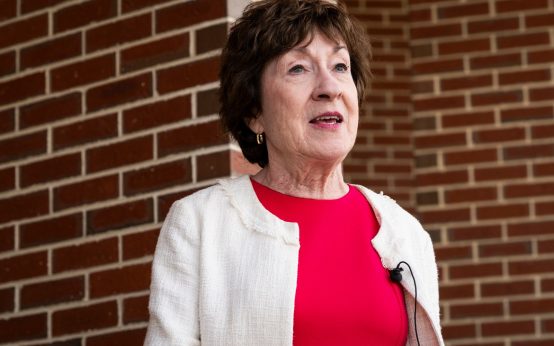 Collins Faces Scrutiny in Tight Maine Senate Race Amid Donor Allegations
 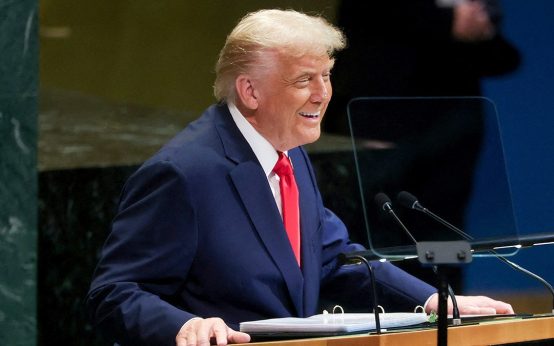 Trump’s Vision for Global Security: Iran, AI, and the Role of the U.S.
 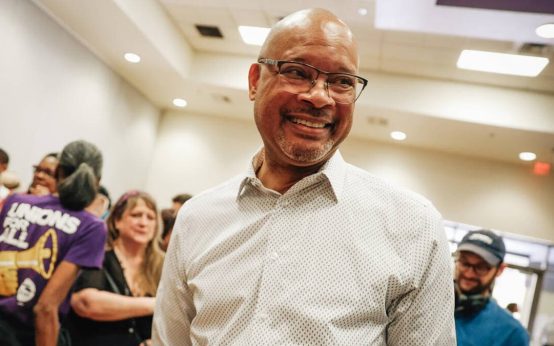 Nevada Attorney General Faces Questions Over Clemency Bid
 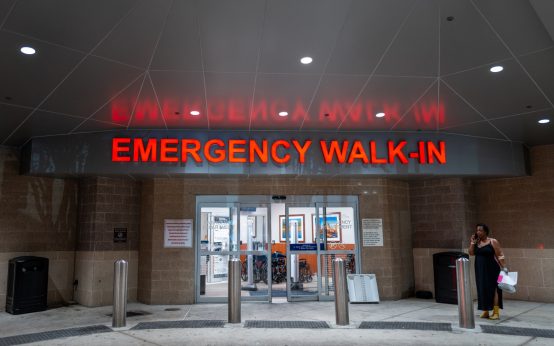 Trump Administration’s Crackdown on ACA Coverage
  Shakeup in Mayor Johnson’s Administration with Key Retirements and Appointments