
In two weeks, voters will participate in the first national election without the most robust protections of the Voting Rights Act against racial discrimination in voting. For some, this change is a victory. Since the Voting Rights Act became law, it has faced opposition from those who resist the promise of a fair democracy where everyone can participate equally.
The Supreme Court’s decision in Shelby v. Holder in 2013 initiated a series of rulings that have weakened the act. The latest, Louisiana v. Callais, further diminished these protections. These cases, argued before the Supreme Court by the Legal Defense Fund, where Todd A. Cox serves as associate director-counsel, illustrate the ongoing battle. Black voters now face disenfranchisement through strict voter ID laws, changes to polling sites, restrictions on early voting, and redistricting plans that reduce Black voting power.
This period marks a significant attack on voting rights not seen since the Jim Crow era. Abandoning the racial justice principles that supported the creation of our multiracial democracy 61 years ago would be a severe mistake. Protecting the foundational principle that the government serves and represents all people is essential. Black voters should not be treated as mere political tools manipulated for partisan advantages.
If current trends continue, this year could be the last to witness fair representation in many districts. The vision of the civil rights movement could halt, with threats to fair districts due to attacks on representation. States like Tennessee, Louisiana, and Alabama have already experienced these challenges.
Addressing systemic barriers to equal opportunity while defending against widespread attacks is crucial. Bold thinking is needed to reshape elections for the benefit of people, not politicians. Though no single solution fits all communities, employing various election reform strategies can help. Practices such as ranked choice voting, cumulative voting, and limited voting have shown promise at increasing voter turnout at the local level.
Opposing harmful redistricting that strips Black voters of power is vital, as demonstrated in South Carolina and Georgia. Despite adverse decisions like Callais, the Legal Defense Fund continues fighting for fair districts that enable voters of color to elect preferred representatives. Success in this arena includes preserving the majority-Black judicial subdistrict in DeSoto County, Mississippi.
At the federal level, advocating for Congress to pass the John R. Lewis Voting Rights Advancement Act can restore and strengthen initial Voting Rights Act protections against disenfranchisement. On the state front, supporting and funding state-specific Voting Rights Acts is necessary. In 2026, separate Voting Rights Acts were established in Maryland, Delaware, New Jersey, and California, marking historical milestones.
Partnering with organizations at various levels to mobilize communities remains effective, as seen in Alabama’s All Roads Lead to the South and Washington D.C.’s March on Washington. Together, these measures offer Black voters meaningful ways to counter efforts that seek to halt Black political involvement.
The pursuit of voting reforms rooted in justice is imperative, rejecting manipulations for partisan benefit at Black representation’s cost. Historical evidence confirms when fair representation is emphasized, democracy serves all. The long struggle for equitable electoral systems continues, reinforcing the need to prioritize fairness over partisan divisions. As Todd A. Cox of the Legal Defense Fund affirms, focusing on equal representation means truly working towards a democracy that includes everyone.
Copyright 2026 Nexstar Media Inc. All rights reserved. This material may not be published, broadcast, rewritten, or redistributed.
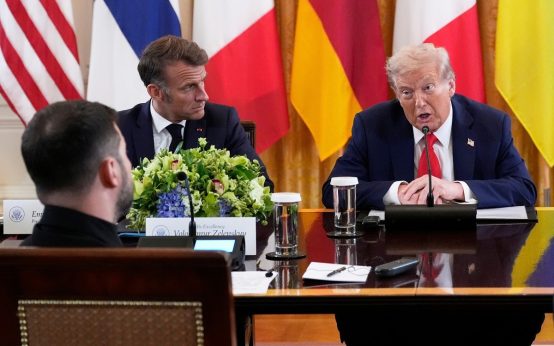 Trump’s Comments on European Unrest Highlight Strained Relations
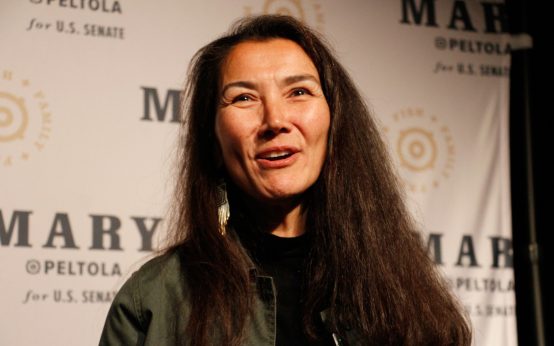 Alaska Senate Race: Peltola vs. Sullivan
 Congressman Gallagher Urges FBI to Combat Illegal Marijuana Operations in Northern California
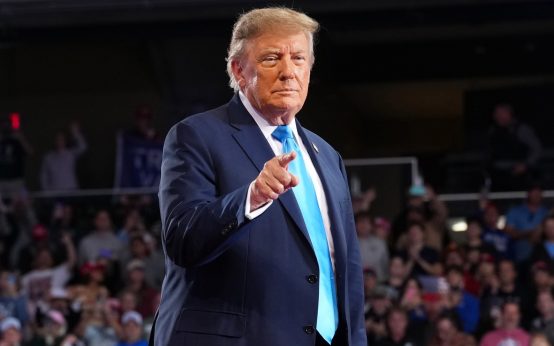 President Trump’s Economic Policies and Voter Perceptions
 Putin’s Summer of ’69: A Different Worldview
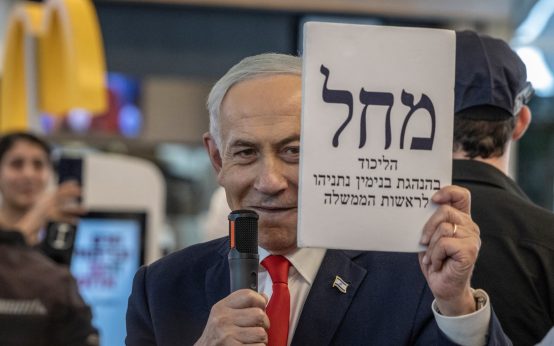 Netanyahu’s Regional Alliances and Isolation