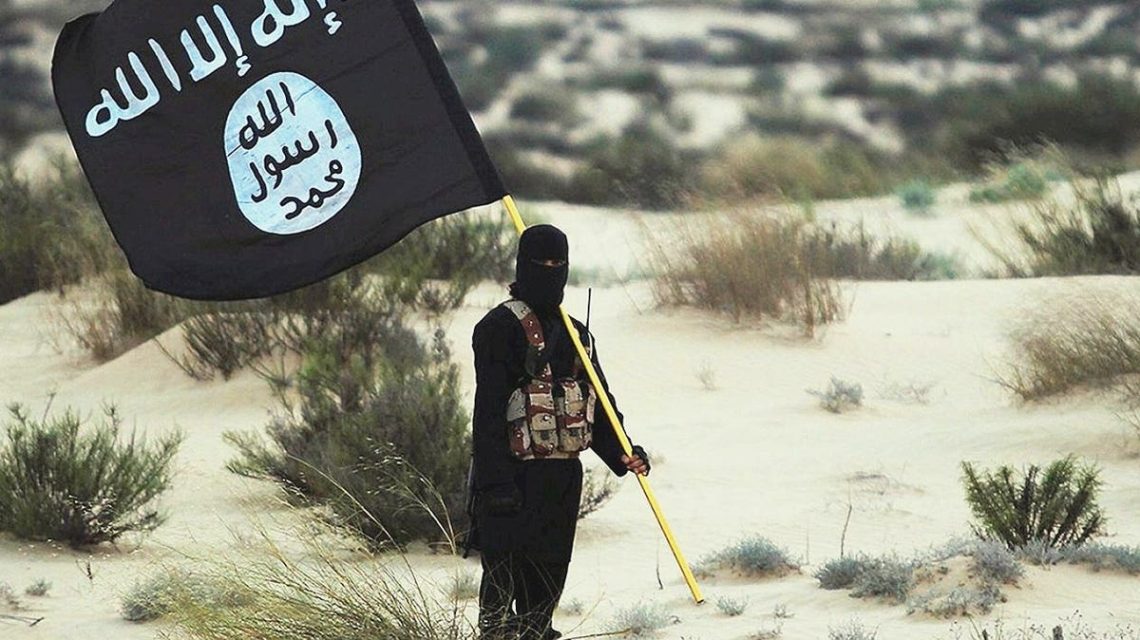
The Islamic State is rebuilding as the United States plans to complete its withdrawal from Iraq. This development raises concerns that ISIS may exploit the security gap, according to regional security expert Dr. Omar Mohammed.
U.S. Withdrawal Timeline
U.S. forces are scheduled to leave Iraq by September 30. Baghdad is simultaneously working to control Iran-backed militias. Dr. Omar Mohammed warns that Iraq may face a challenging period similar to when ISIS seized Mosul in 2014.
“ISIS is actively waiting in the gaps, as it has historically,” said Mohammed, a counterterrorism expert associated with the George Washington University Program on Extremism.
ISIS Dynamics
Mohammed emphasized the interconnectedness of militias and ISIS. Militias cite the ISIS threat to justify keeping their weapons, while ISIS recruits fuel unrest created by these militias.
When ISIS seized Mosul over a decade ago, Iraqi forces were unable to defend the city. The group used assassinations, extortion, and infiltration to strengthen its network before launching an offensive. They claimed U.S.-made weapons and substantial funds, which Abu Bakr al-Baghdadi used to declare a caliphate.
Mosul Eye, a blog by Mohammed, documented life under ISIS and provided intelligence to U.S. forces. His work is detailed in Mosul Eye: A Scholar’s Clandestine War Against ISIS, which includes a foreword by Pope Francis and an introduction by retired Gen. David Petraeus.
Continued Threats
Despite the recapture of Mosul in July 2017, ISIS continues activity in Iraq and Syria. Estimates by Iraqi intelligence suggest an increase in ISIS fighters in Syria to around 10,000.
The Popular Mobilization Forces (PMF), integrated into Iraq’s security, remain active with around 238,000 members. They receive significant government funding and some factions maintain close ties to Iran.
U.S. Strategy and Regional Influence
The U.S. withdrawal aligns with a 2024 U.S.-Iraq agreement to cease operations in Iraq by 2025 and continue anti-ISIS efforts in Syria through 2026. Mohammed advocates for vigilance to avoid past errors when lack of attention allowed ISIS growth.
Iran’s influence concerns remain high as they aim to maintain strategic interest in Iraq. The recent U.S. withdrawal announcement was met with criticism from Tehran.
Vietnam’s Ali Akbar Velayati called Iraqi Prime Minister Ali al-Zaidi’s meeting in Washington “regrettable.” Mohammed notes Iran fears losing relevance if Iraq manages to disarm militias, U.S. forces exit on Baghdad’s terms, and no security crisis remains to justify armed factions.
The upcoming regional developments post-September will test these predictions. According to Mohammed, the key question will be whether ISIS grows significantly or remains a controlled threat serving strategic interests.
Fox News Digital contacted the White House for comment on these issues.
 Erdogan Challenges Israel’s Rhetoric and Strengthens Alliances
  Court Rules Against Third-Country Deportation Policy
  Claims to Nazi-Looted Art Spark Legal Battle in California
  U.S. Secures Strategic Control Over Greenland
  U.S. and Denmark Move Towards Security Agreement Over Greenland
  Rising Concern Over Gender-Based Violence in South Africa