The current state of the Russia-Ukraine conflict presents two seemingly opposing trends. On one hand, escalation is evident with Ukrainian strikes on Russian vessels reaching as far as Finland and Libya, alongside Moscow’s missile activity impacting NATO allies. On the other hand, there is a growing urgency for peace, with U.S. officials indicating Russia’s acceptance of security guarantees for Ukraine. Peace talks in Abu Dhabi are expected to persist, potentially leading to a deal by January 2027.
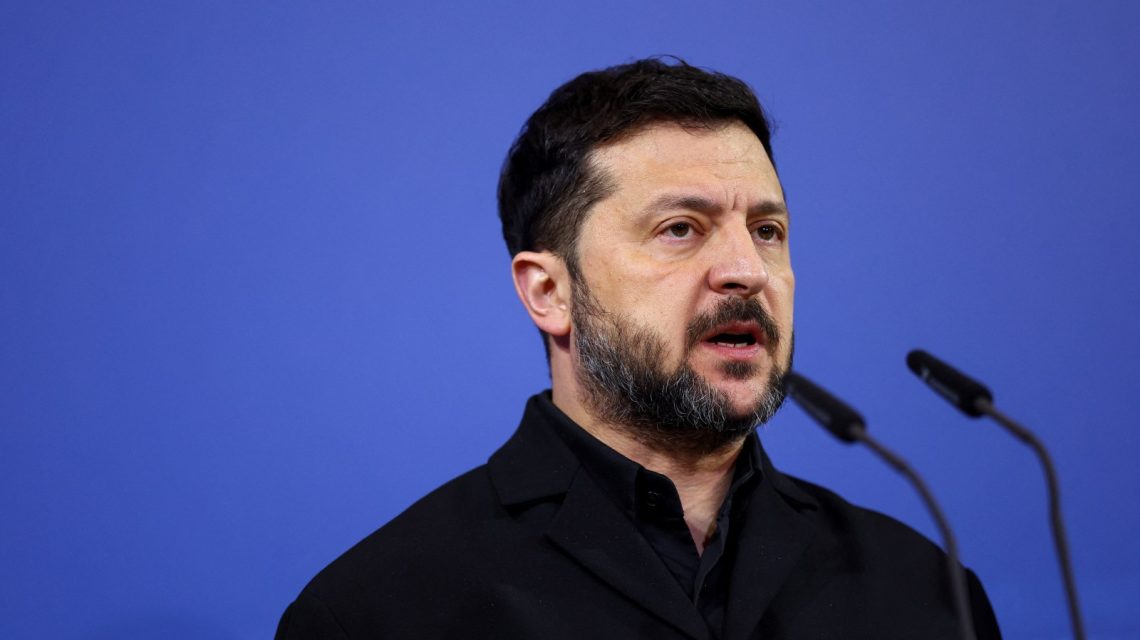
These trends may be interconnected. As prospects for settlement improve, both parties have incentives to strengthen their positions before negotiations conclude, resulting in heightened military actions. Italy’s foreign minister, Antonio Tajani, noted that increased military activity often accompanies peace talks. Ukrainian President Volodymyr Zelensky emphasized Ukraine’s demands for peace that doesn’t solely burden Ukraine.
Escalation might pave the way for peace; however, brinkmanship only succeeds when the brink is visible. Recent events from the Baltic to Benghazi demonstrate the rising difficulty in managing escalation.
The Escalatory Path
On a recent Friday, three Russian missiles landed in Poland, a NATO ally neighboring Ukraine, with one landing 22 miles from a European military exercise site. This exercise, intended as a rehearsal for postwar peace, was labeled a “provocation” by Poland’s Prime Minister Donald Tusk.
Simultaneously, Trump, Putin, and Xi Jinping released a “Declaration toward Peace” in China, omitting Ukraine while committing to strategic stability. Hours later, Putin responded to Ukrainian strikes by rejecting a moratorium on attacking energy infrastructure. In turn, Ukraine faced intensified aerial assaults, including on Kyiv.
This past weekend saw further escalation. Ukrainian drones ignited a Russian cargo ship, drifting it into Finland’s waters, prompting a collaborative firefight. Finnish Prime Minister Petteri Orpo affirmed Ukraine’s right to counter the aggressor. Ukrainian sea drones also capsized a Russian corvette in Libya, a bold strike 1,500 miles from the front lines, signaling the vulnerability of Russian assets.
An Uncertain Peace?
Despite escalating tensions, Trump maintains optimism for a swift Ukraine deal. Jared Kushner, his envoy, asserts Russia’s “comfort” with NATO-like security guarantees. Europe shows increased engagement with Russia.
The Korean War offers a precedent where armistice talks lasted over two years amid ongoing conflict, leading to significant American casualties. A similar dynamic may be present now, as Kyiv raises Moscow’s costs through widespread naval targeting.
Zelensky continues to classify Russian-flagged and sanctioned vessels as legitimate targets, broadening attacks beyond traditional naval warfare laws. Russia retaliates by striking Ukraine’s power grid, aggravating civilian hardships. The U.N. reports more systematic energy infrastructure attacks than the past year.
Negotiations and Missteps
The ripe moment becomes the godchild of brinkmanship
Negotiation scholar I. William Zartman describes how conflicts might ripen for resolution when both sides face a stalemate and foresee potential catastrophe. Though Zartman notes that pain can fortify resistance.
Renewed Ukraine talks have begun, but finding common ground remains difficult without an agreed ceasefire. Russia dismisses NATO “quasi membership” for Ukraine, highlighting unresolved issues. The latest Abu Dhabi round produced a prisoner exchange, but no breakthrough.
The Risk of Going Global
History warns of small conflicts escalating globally, as in 1914. The current war extends to Libya, where Ukrainian drone operations target Russian vessels. Libyan officials equate these actions to war declarations, even as Kyiv frames them as self-defense under the U.N. Charter.
The gravest threat may be Russia’s persistent gray-zone warfare towards European NATO allies. A misstep could activate NATO’s Article 5, necessitating U.S. military response. Britain’s Lieutenant General Matthew Jones fears unintended escalations and stresses reducing risks with a security agreement with Russia.
Resolving the Ukraine conflict could avert larger crises, potentially as soon as early 2027, if current escalation ultimately seeks peace. Alternatively, ongoing dialogue may persist alongside violence, echoing the prolonged Korean armistice talks.
 Gisèle Pelicot’s Legal Battle Against Invasive Book Promotion
 Assisting Rohingya Refugees: A Humanitarian Effort
 Pope Francis’ Personal Diary Chronicles Spiritual Journey
 Tensions Escalate Between Russia and Estonia Amid Border Dispute
 Concert Evacuation in Manchester Due to Unknown Irritant
 Lioness Hunt in Istanbul: Panic Turns to Confusion