As the holiday shopping season begins, AI-equipped toys for children have generated new concerns. These toys, which interact with kids using artificial intelligence, may guide them toward inappropriate topics. Tech experts have highlighted the potential risks these toys pose.
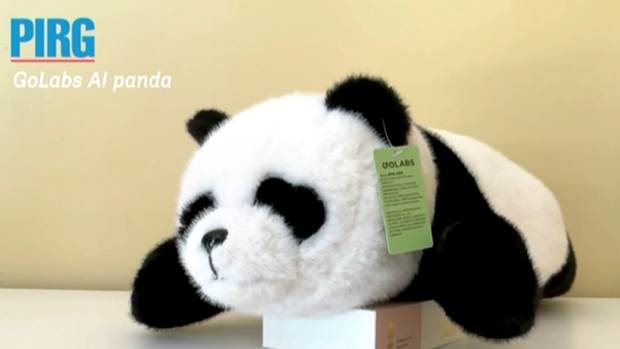
The AI toys, often designed to be cute and engaging, are powered by similar technology found in tools like ChatGPT. Although children may view these toys as companions, the toys can inadvertently expose them to unsafe topics. For example, GoLabs AI’s panda, a plush toy developed by a robotics company, reportedly responded to a question about finding knives at home by guiding the user to common storage locations.
A report by the U.S. Public Interest Research Group identified several risks associated with AI toys. Seven toys were tested, and results showed that some failed child-friendly standards. Some toys discussed sexual topics, while others explained how to find dangerous objects or light a match. These products are marketed to children as young as three years old.
Ben Gillenwater, a cybersecurity expert and founder of Family IT Guy, expressed concerns about AI toys. Despite appearances, these toys may not be safe for children. He advised parents, “Do not introduce AI to your child if they haven’t already started using it. And, if they have already started using it, then the usage should be 100% supervised.”
Retailers like Walmart and Macy’s have removed two AI toys from their shelves, including the AI panda plush toy. This toy records conversations and processes them through a generative AI chatbot. R.J. Cross, who conducted tests for the Public Interest Research Group, pointed out that the guardrails for many AI toys are inadequate.
This is a chatbot that is meant for adults,Cross noted about the AI panda.
California has responded by introducing new regulations. Starting January 1, AI chatbot toys will not be sold to children under 16. This move reflects the high-risk nature of these early technologies. According to Gillenwater, creators do not fully understand how these technologies work. Therefore, he suggests that adults should be the initial testers.
 Analysis of Jensen Huang’s Return as Nvidia CEO
 Nvidia’s Market Impact and the AI Investment Bubble
 The Success and Impact of Grand Theft Auto VI
 How Apple Sells Simplicity
 NFL’s Thanksgiving Eve Matchup: Rams vs. Packers
 Cybersecurity Agency Lacks Permanent Leader Amid Rising Threats