US-Iran Nuclear Talks and Strait of Hormuz
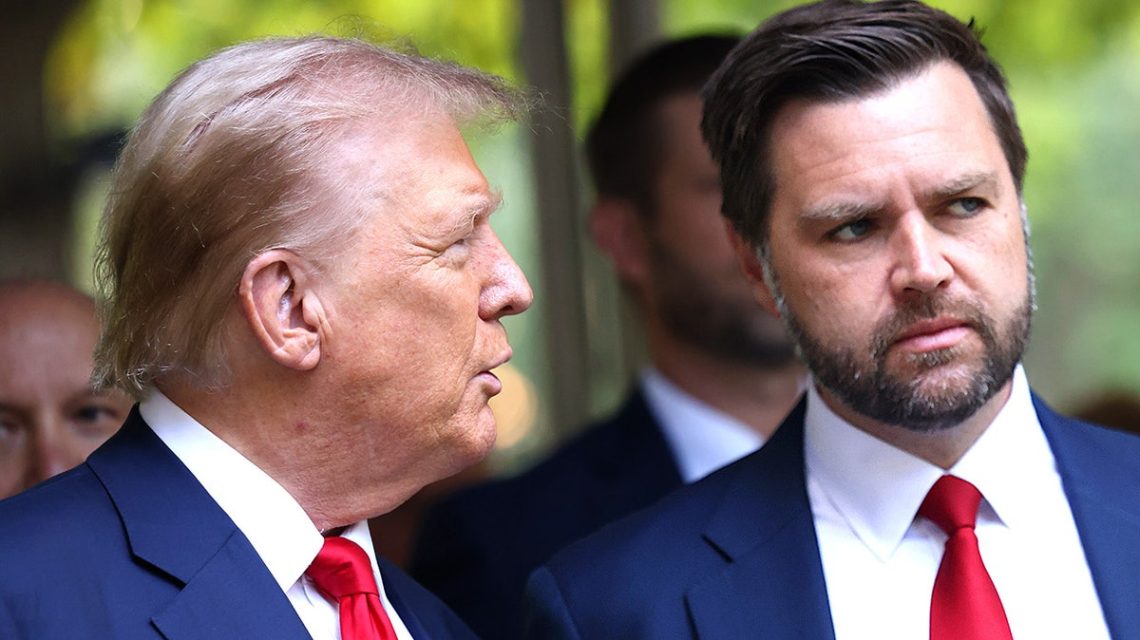
Vice President JD Vance provides insights into U.S.-Iran nuclear talks held in Switzerland. These discussions aim to prevent Iran from developing nuclear weapons while ensuring open international shipping channels. Amid these talks, Trump’s administration is focused on establishing a lasting peace agreement.
Recently, 16 million barrels of oil were successfully transported through the Strait of Hormuz, highlighting efforts to maintain international commerce.
Agreement Criticism and Responses
Vance addressed criticism regarding the agreement signed between President Donald Trump and Iranian President Masoud Pezeshkian. Critics suggest the deal might favor Tehran economically without significant behavioral changes from the terror-sponsoring nation.
Senate Armed Services Committee Chairman Roger Wicker and other Republicans express concerns about Iran potentially using economic incentives outlined in the memorandum of understanding (MOU) to reinvigorate its military and nuclear capabilities.
“I like Roger, he’s a friend of mine, but I think that he’s wrong on this,” Vance said.
Vance emphasized that the MOU sets conditions for Iran to receive economic benefits only upon demonstrating long-term compliant behavior.
Key Objectives and Concerns
Critics argue the deal signed misses vital objectives such as the dismantling of Iran’s nuclear weapons capabilities, curbing its ballistic missile program, and stopping its support for regional proxy groups.
Senator Wicker warns that easing sanctions on Iran while requiring Israel to halt military action against Hezbollah is counterproductive. He underlines the ongoing threat posed by Hezbollah, backed by Tehran.
Vance reinforces that the U.S. possesses leverage over Iran, assuring that economic relief will be contingent on Iran halting its nuclear program.
Current Developments and Future Plans
Vance reports progress, noting the recent movement of oil through the Strait of Hormuz following its reopening. He underscores the administration’s dedication to permanently obstruct Iran’s nuclear ambitions.
Proactive steps are underway to target Iran’s enriched uranium stockpile, aiming for a verifiable halt in its nuclear capabilities through inspections.
Ceasefire and Negotiations Outlook
Vance expresses confidence in the stability of the Iran-Israel ceasefire during continued negotiations. U.S. officials prepare for imminent talks involving various regional representatives.
“There’s a fork in the road here. The United States wins either way,” Vance commented, stressing the next steps depend largely on Iran’s decisions.
 Court Rules Against Third-Country Deportation Policy
  Trump Administration Bars News Networks from White House
  Lawsuit Filed Over Preeclampsia Death in Texas Amid Abortion Ban Controversy
 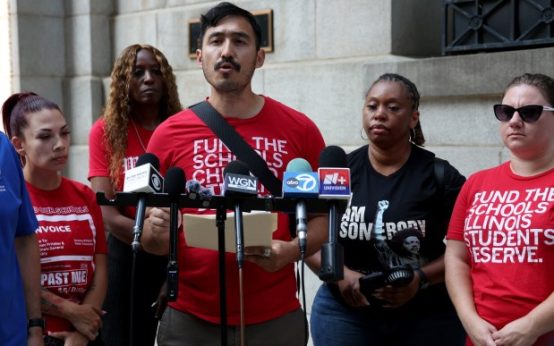 Cook County’s Loan Program Assists Suburban Agencies Amid Property Tax Delays
 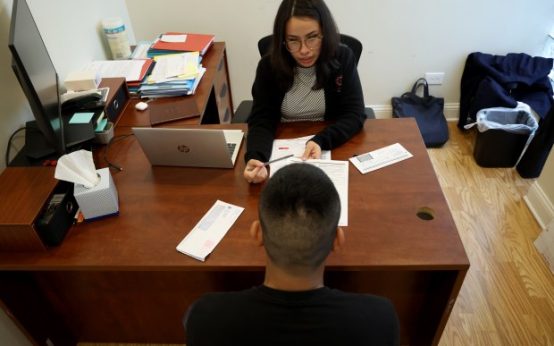 Freddy Cazares: Navigating the Limbo of Immigration Detainment and Uncertain Release
  Concerns Over Political Influence in Academia