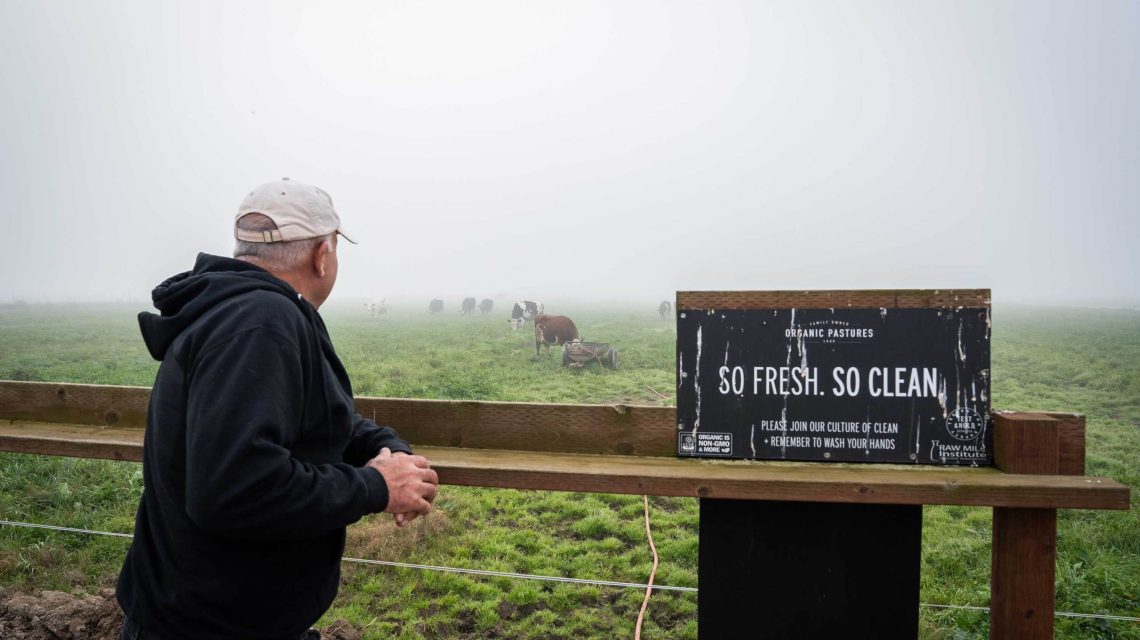
Raw Milk: A Rising Trend
Driven by political changes and wellness trends, unpasteurized milk has transitioned from a niche interest to a widespread movement characterized by distrust in institutions. Despite efforts to ensure hygiene, risks of contamination from dangerous bacteria like E. coli and salmonella are inherent in unpasteurized dairy.
Political Influence and Institutional Distrust
Despite raw milk causing illnesses, lawmakers at high levels are promoting the industry’s growth rather than mitigating risks. This report investigates how raw milk, once attracting a fringe audience, has moved into the mainstream partly due to skepticism about health institutions being tainted by large corporations.
“You must be Mark,” I said, warning him I wasn’t one for hugging. “I’m a hugger,” he said, pulling me in anyway. “I feel like I’ve known you for a lifetime.”
Mark McAfee, founder of Raw Farm, advocates for raw milk, suggesting it has significant benefits and is pivotal for health despite scientific evidence contradicting these claims. He argues for raw milk’s purported health advantages, drawing in substantial revenue from this demand.
Scientific Evidence and Health Risks
Most health experts and scientists agree that raw milk hasn’t proven nutritional superiority over pasteurized milk and entails substantial risks of foodborne illnesses. Despite this, McAfee’s farm succeeds financially, tapping into a market eager to escape processed foods.
Raw Milk’s Broader Appeal
Raw milk supporters see it as a symbol of freedom and resistance against perceived industrial manipulation of food. Despite outbreaks of salmonella and E. coli, proponents believe they’ve found a product that aligns with their belief in natural health.
Regulatory Challenges and Consumer Advocacy
Even amidst multiple recalls linked to McAfee’s farm, he promotes the notion of raw milk being both safe and beneficial. His approach involves meticulous screening for pathogens, yet questions arise regarding the handling of contaminated batches.
Research disputes the idea that raw cheese thoroughly resists pathogens, though aging reduces some risks. This revelation raises concerns about raw milk’s safety when not properly regulated.
Historical Context and Evolution of Raw Milk Market
McAfee’s transition from pasteurized milk to raw stemmed from demand within niche communities. Factors such as regulatory changes in Los Angeles expanded raw milk’s accessibility, igniting its growth across the U.S.
States widely permit raw milk sales, drawing in consumers eager for unprocessed alternatives despite safety protocols lacking robust enforcement.
Federal Involvement and Legal Maneuvering
McAfee has faced legal scrutiny for selling raw milk across state lines using creative labeling strategies. This prompted DOJ action, but his farm adapted, finding avenues to maintain operations.
Despite setbacks, including outbreaks tied to his products, McAfee remains steadfast in promoting raw milk’s benefits, rallying consumers against perceived overreach by health authorities.
Ongoing Controversies and Consumer Decisions
Recent recalls spark debate over responsibility and safety standards. McAfee’s ongoing conflict with regulations illustrates the friction between consumer freedom and potential health risks.
The persistence of raw milk advocates underscores a demand for choices aligning with personal health ideologies. The narrative of raw milk being detrimental remains disputed within these communities.
Conclusion: Navigating Consumer Choice
Raw milk remains a contentious subject, balancing perceived health benefits against scientific warnings. As political and consumer landscapes evolve, the debate continues around what constitutes safe and healthy food choices.
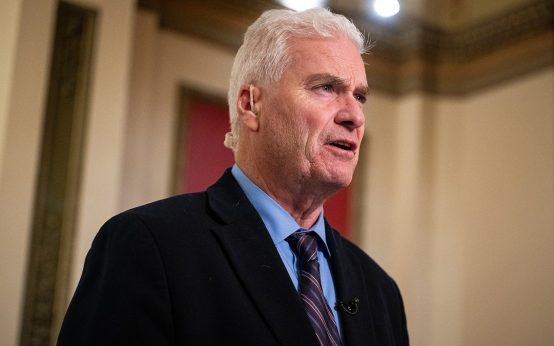 Political Strategies for the Upcoming Midterm Elections
  Trump Considers Diesel Export Ban Amid Rising Fuel Prices
 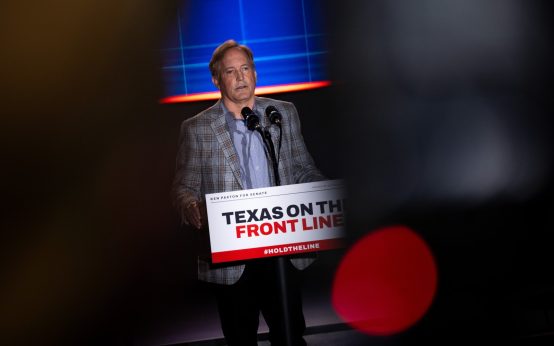 Texas Senate Race: Talarico Takes Lead in Youth Vote
  Criticism Arises Over Michigan Senate Nominee’s Association with Streamer
  Homeland Security Takes Action Against Voter Fraud
  Medicare Lab Test Payments: Upcoming Changes and Their Implications