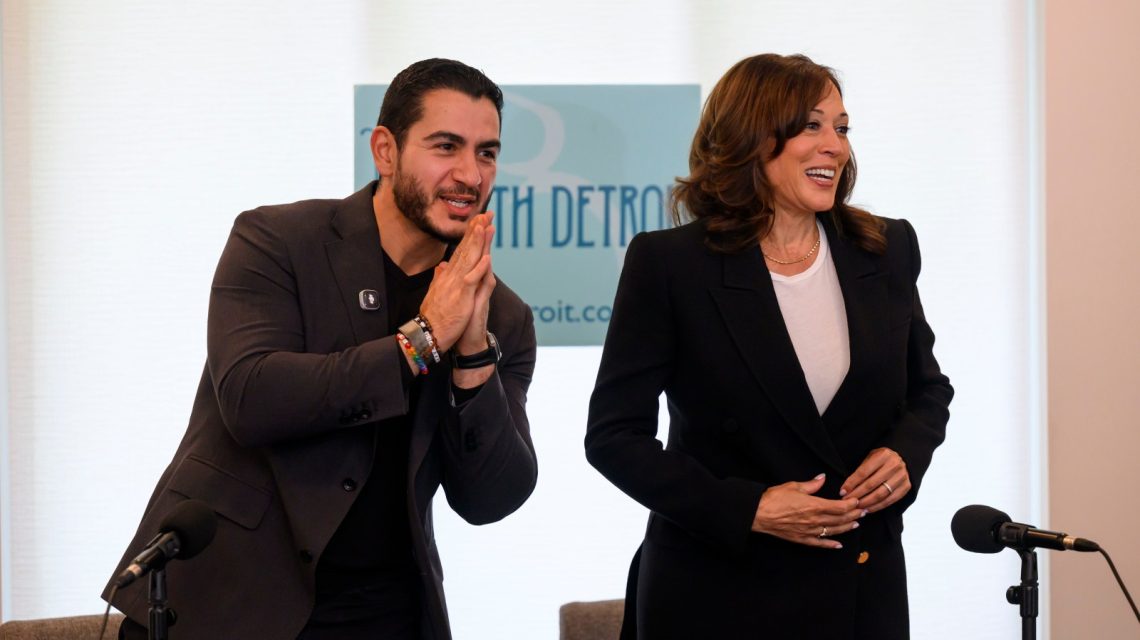
Michigan’s Democratic Senate candidate Abdul El-Sayed is under scrutiny for his appeal to Black voters as the midterm election approaches. This raises concerns about whether he can retain a vital part of the Democratic coalition in an important Senate race. The stakes extend beyond Michigan. Democrats need a net gain of four seats to regain Senate control, making the seat vacated by retiring Senator Gary Peters crucial. Historically, Black voters have played a key role in Democratic victories in the Midwest, so even a small drop in turnout or support could prove pivotal.
Understanding Michigan’s Black Voter Dynamics
Recent polls highlight El-Sayed’s strong support among Black voters, though still less than that achieved by other leading Democrats in past Michigan elections. A Data for Progress poll, conducted from October 23 to 25, indicated that 82% of likely Black voters supported El-Sayed, compared to 15% for Republican Mike Rogers. For comparison, CNN exit polling showed that in the 2024 presidential election, 87% of Black Michigan voters supported Kamala Harris. Democratic Senator Elissa Slotkin received support from 85% of Black voters in her 2024 race, and although Harris lost, Slotkin narrowly won despite her slightly lower Black voter support. In 2020, Joe Biden secured the backing of 92% of Black voters in Michigan, while Senator Gary Peters received 90% during his narrow reelection against Republican John James, according to Edison Research exit polling.
Comparisons suggest El-Sayed’s expected share of Black votes may be smaller than recent statewide Democratic candidates, but he is performing slightly better than Democratic gubernatorial nominee Jocelyn Benson’s 79% support. El-Sayed’s Black voter support is based on a weighted survey of 67 respondents.
The Importance of Black Voter Turnout
In Michigan, around 1.4 million residents are Black, accounting for 13.9% of the state’s estimated 10.1 million population in 2025. Black voters have consistently been a cornerstone of the Democratic coalition, notably in Detroit, Wayne County, Flint, Pontiac, and Saginaw. These areas can sway close election outcomes. In 2016, Trump won Michigan by roughly 10,700 votes, but Biden flipped it in 2020, winning by around 154,000 votes. In 2024, Trump reclaimed it, defeating Harris by roughly 80,000 votes. Exit polls indicated Black voters made up 11% of Michigan’s 2024 electorate. Even minor shifts in their turnout or party leanings could impact closely contested races.
Challenges Facing El-Sayed
Since El-Sayed narrowly defeated Representative Haley Stevens in Michigan’s Democratic Senate primary in August, his rapport with Black voters has faced scrutiny. Stevens, who performed well among Black voters and won Wayne County, urged El-Sayed to address their concerns directly but it did not occur. Despite her support for El-Sayed, tensions persist over his positions on Israel and campaign strategies. Some Democratic leaders worry that Stevens’ primary supporters may show less enthusiasm in November.
El-Sayed, a former Detroit health director backed by Senator Bernie Sanders, has prioritized healthcare affordability and economic issues while opposing Trump’s agenda. Prominent Black Democrats, including former President Barack Obama and Vice President Kamala Harris, have campaigned alongside him. He has also received backing from figures like Georgia Senator Raphael Warnock. Much of El-Sayed’s campaign effort focuses on Detroit and other Black communities, emphasizing healthcare access and economic opportunities.
Republican Mike Rogers is also courting Black voters by highlighting initiatives related to housing, employment, and food access in Detroit. El-Sayed refutes the notion that Rogers can significantly sway these voters, arguing Rogers supports Trump’s policies.
Polls Indicate El-Sayed’s Lead
Despite worries about Black voter enthusiasm, recent polls show El-Sayed leading Rogers statewide. A CNN/SSRS survey from October 20 to 27 had El-Sayed ahead by seven points, 49% to 42%, among likely voters. Data for Progress documented a 50% to 46% lead for El-Sayed in its October 23 to 25 survey. Marist polling from October 15 to 18 indicated a narrower gap, with El-Sayed at 50% and Rogers at 48%. These findings display some uncertainty in El-Sayed’s lead size, but all point to him leading.
The CNN survey also reported 95% of Democratic likely voters endorsing El-Sayed, indicating substantial party alignment following the primary. Democrats need a four-seat gain to retake the Senate in November. Losing Michigan’s seat, held by retiring Democrat Peters, would force the party to capture an additional Republican seat, making matters tougher.
El-Sayed’s immediate challenge involves mobilizing traditional Democratic supporters. His polling reflects strong Black voter backing, but translating that support into voter turnout will be critical. The outcome could affect not only his career but also Senate control.
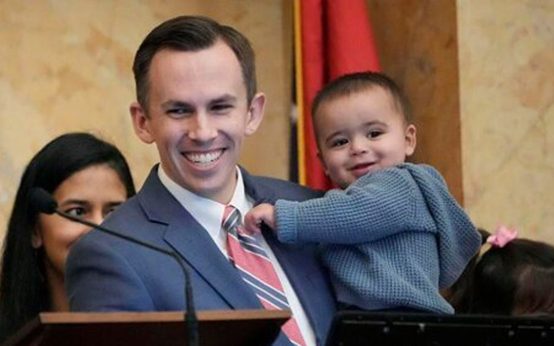 Mississippi State Auditor Shad White Announces Gubernatorial Bid
 Trump Dismisses Third Impeachment Prospects
 Custody Dispute Involving Rep. Max Miller Delayed
 Attorney General Addresses Post-Midterm Democratic Threats
 Senator Elizabeth Warren and the Future of Crypto Regulation
 Bipartisan Opportunities in Foreign Policy