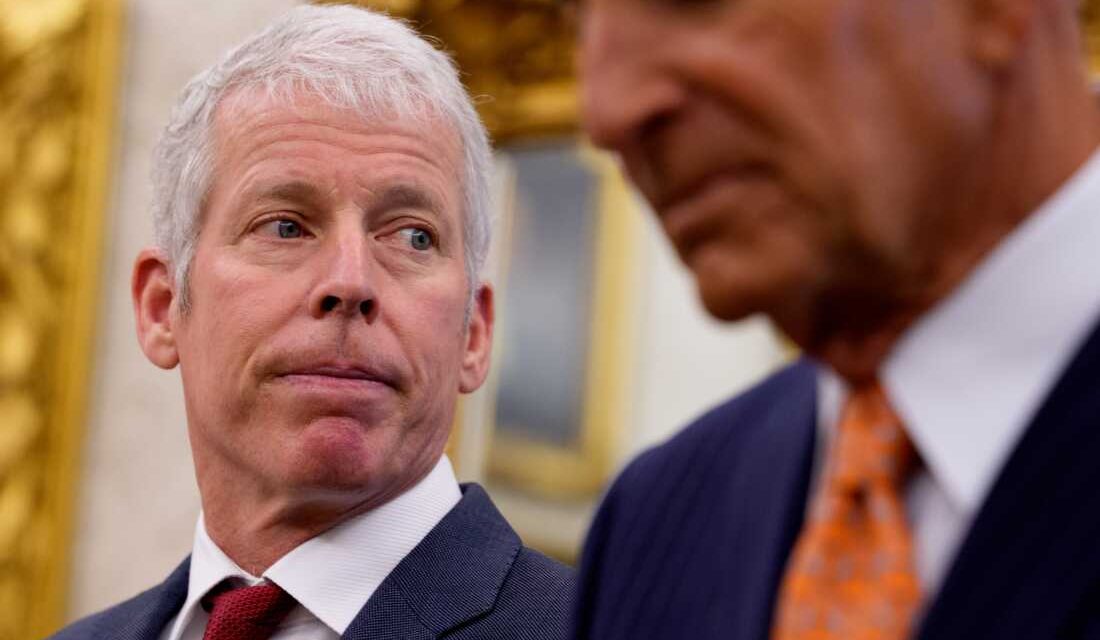
The Trump administration has finalized a nuclear cooperation agreement with Saudi Arabia. This pact allows American companies to manage commercial nuclear power plants in Saudi Arabia. Energy Secretary Chris Wright and Saudi Arabia’s energy minister, Prince Abdulaziz bin Salman, signed the agreement, as announced by the Department of Energy.
The agreement, which needs congressional approval within 90 days, prioritizes American companies in supplying nuclear reactors and fuel for Saudi Arabia’s energy program. It is projected to last for many decades and generate billions of dollars in revenue.
“These agreements reflect our two nations’ shared commitment to strengthening U.S.-Saudi commercial relations, delivering prosperity at home and security to our allies abroad,” Wright said in the announcement.
However, the agreement omits certain safeguards. It lacks provisions that would prevent Saudi Arabia from enriching uranium or reprocessing nuclear fuel, raising concerns about potential nuclear weapon development. Representative Brad Sherman stressed that any deal should maintain safeguards equivalent to those in the U.S.-UAE agreement.
The agreement emphasizes peaceful nuclear cooperation and includes nonproliferation terms under the Atomic Energy Act. It does not require the transfer of nuclear fuel cycle capabilities to Saudi Arabia. Despite these terms, experts like Matthew Bunn from Harvard’s Kennedy School worry this deal complicates broader nonproliferation efforts, particularly with Iran.
 Gorillaz and Macklemore Respond to Controversy Over Israel-Palestine Statements
  Investigation into Lion Deaths in Tanzania
 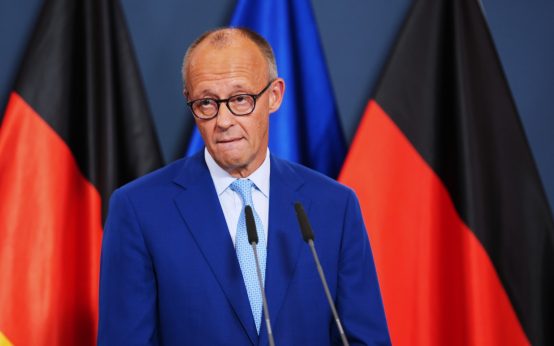 Merz Stays Resolute Amid Electoral Shifts in Germany
 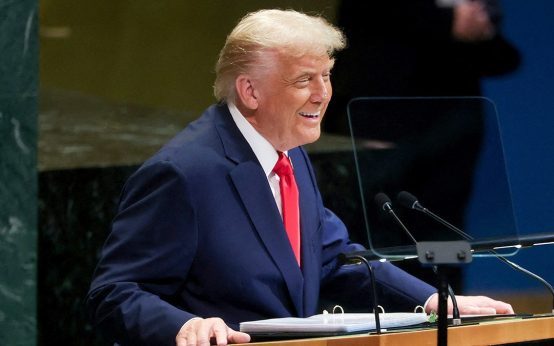 U.S.-Iran Relations and Diplomacy at Upcoming U.N. Assembly
 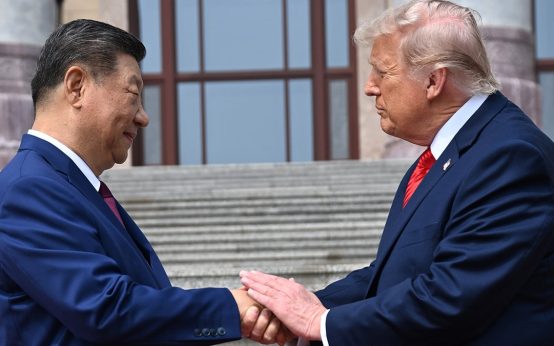 US-China Relations Under Scrutiny: Expert Warns of Escalating Tensions
 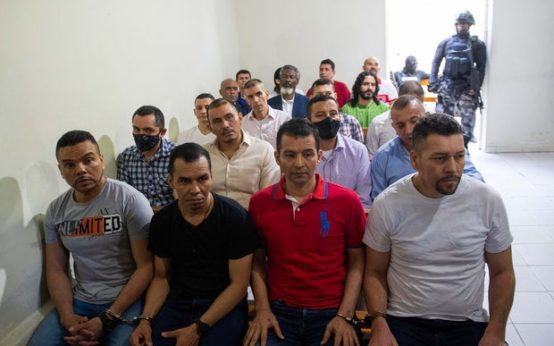 Extradition of Suspects in Haitian President’s Assassination