
The average long-term U.S. mortgage rate has increased for the fourth consecutive week, reaching its highest level this year. This rise serves as another hurdle for potential homebuyers seeking relief from high borrowing costs. Mortgage buyer Freddie Mac reported that the 30-year fixed-rate mortgage has risen to 6.66% from last week’s 6.58%. A year ago, this rate was slightly higher at 6.72%.
Higher mortgage rates translate to increased monthly costs for borrowers, reducing their purchasing power. As rates climb, many prospective homebuyers might delay their decision to purchase, contributing to sluggish home sales this year.
Borrowing costs for 15-year fixed-rate mortgages, typically preferred by those refinancing, also saw an uptick. The rate climbed to 6.04% from 5.96% the previous week. This rate was at 5.85% a year ago.
Several factors impact mortgage rates, including the Federal Reserve’s interest rate policies and bond market dynamics. Rates often follow the trend of the 10-year Treasury yield, a benchmark used by lenders to price mortgages.
Rates have risen mainly due to the conflict in Iran, which has pushed oil prices higher, leading to concerns over inflation. Consequently, long-term bond yields have surged from their levels before the conflict began in late February, driving mortgage rates upward.
On Thursday, the 10-year Treasury yield was 4.66%, a significant jump from 3.97% in late February. The current average 30-year mortgage rate marks a peak not seen since July 2025, when the rate was the same.
Recently, the average rate dipped slightly below 6% for the first time since late 2022. However, the latest rate increase followed the Federal Reserve’s decision to leave its key interest rate unchanged, as the bank addresses ongoing inflation issues.
Although the central bank’s decisions don’t directly set mortgage rates, they influence bond investors, eventually affecting the 10-year Treasury yields.
Despite long-term mortgage rates being lower than at this time last year, their rising trend has hindered home sales throughout the year. From January to June, seasonally adjusted sales of previously owned U.S. homes increased by 0.7% compared to last year. However, these sales remain close to a 4-million annual pace, below the historical average of about 5.2 million.
The national housing market slump, which began in 2022 with COVID-19 era low rates climbing, continues. Last year, sales of previously owned U.S. homes stagnated at a 30-year low.
 Historic Church Transformed Into Los Angeles Boutique Hotel
  Amazon Offers Discounts to Employees at Whole Foods
  Hidden Fees in Real Estate Transactions: A Growing Concern
 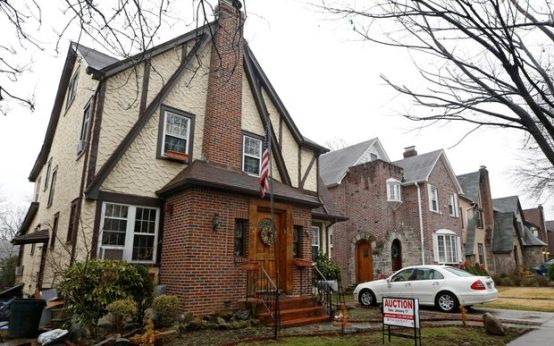 Trump’s Childhood Home Sells for Nearly $2 Million After Renovation
 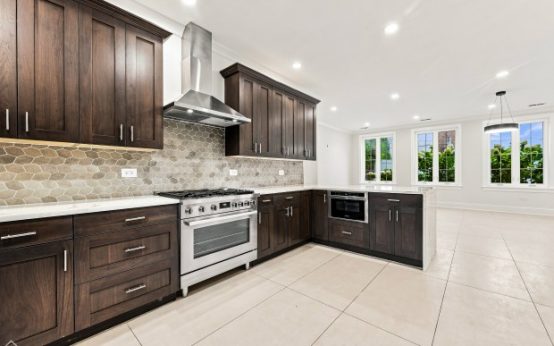 Luxury Five-Bedroom Home with Rooftop Deck in Edgewater
  Trump’s Housing Affordability Agenda Faces Challenges