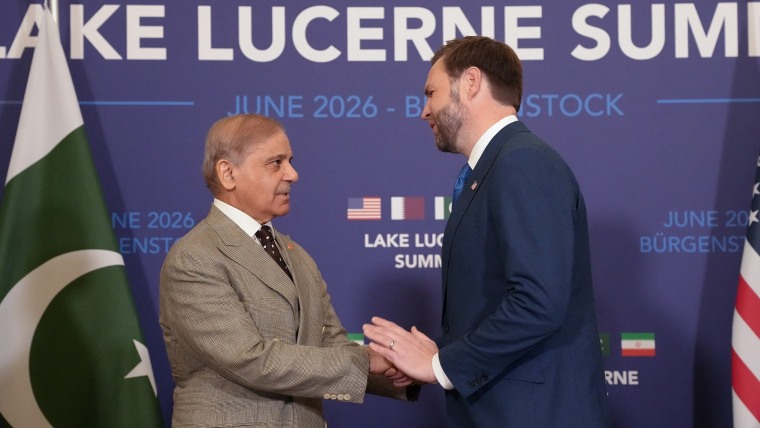
High-level discussions between Iran and the United States have shown ‘a lot of good progress,’ according to Vice President JD Vance. These talks aim to establish a road map to conclude the ongoing war within a 60-day timeframe. The Vice President emphasized the establishment of a strong foundation for a future final agreement.
Vance said in a press briefing, ‘The final deal is the house. We set the foundation. We haven’t built the house, but we’ve laid a successful foundation to get to a good place for the American people.’ These talks, held at the Bürgenstock resort, started with difficulty as they faced initial cancellations and were impacted by renewed threats from President Donald Trump. Iran had even considered walking away due to these remarks, but Vance defended the President, stating the need to respond to strong language.
The talks concluded with a joint statement from mediators Qatar and Pakistan, highlighting a ‘constructive atmosphere.’ Washington and Tehran have agreed to establish new communication lines to ensure the Strait of Hormuz remains open and to end hostilities in Lebanon. Importantly, Iran consented to allow International Atomic Energy Agency (IAEA) inspectors back into the country.
According to Iran’s semi-official Mehr news agency, their delegation, headed by Parliament Speaker Mohammad Bagher Ghalibaf, concluded approximately 18 hours of negotiations in Switzerland. Iran’s deputy foreign minister, Kazem Gharibabadi, will lead the ongoing technical discussions. These talks are tackling unresolved issues in the agreement, particularly Iran’s nuclear ambitions.
One major result from Sunday’s discussions is the formation of a ‘High Level Committee’ tasked with political oversight of the mediation process. This committee has agreed on a road map to achieve a final agreement within 60 days, starting further technical talks on nuclear weapons, sanctions, and dispute resolution. Additionally, a deconfliction line between the involved parties and Lebanon was created, amidst continued conflict between Iranian-backed Hezbollah and Israel.
Furthermore, the talks established a communication line to avoid ‘incidents and miscommunication,’ ensuring safe commercial vessel movement through the crucial Strait of Hormuz, which has faced a blockade for several months.
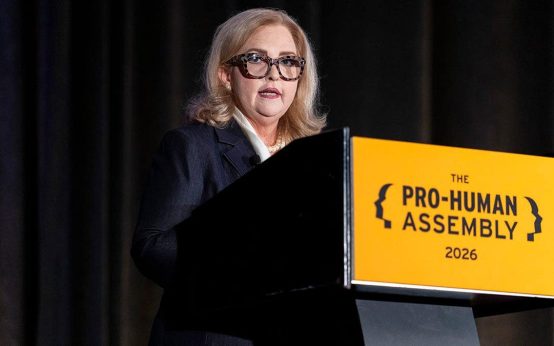 Conservative Activist Urges AI Safety Measures
 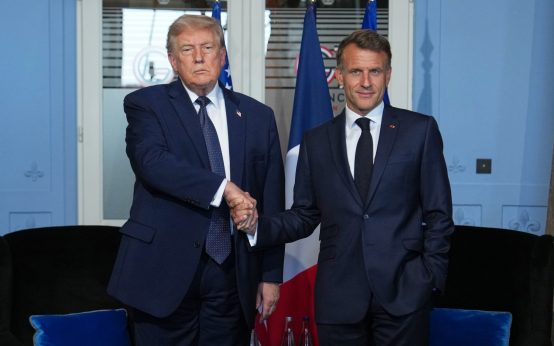 G7 Nations to Release 100 Million Barrels of Oil Amid Fuel Price Surge
  Attempted Hijacking on FlyDubai Flight to Tel Aviv
 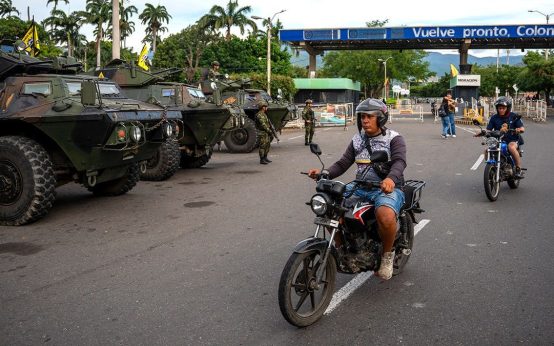 U.S. Officials Warn Against Travel to Colombia’s Norte de Santander
 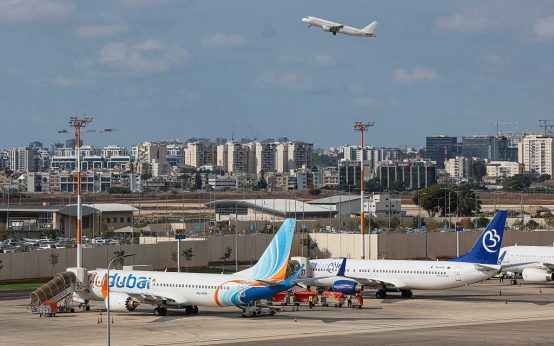 FlyDubai Co-Pilot Accused of Attack Had Previous Extremist Concerns
  Co-Pilot Attack and Security Concerns in Aviation