The WNBA, a league constantly striving for greater attention and engagement, finds itself in a peculiar position. Players like Caitlin Clark and Sophie Cunningham are delivering the dynamics that every sports organization seeks: increased attention, thrilling rivalries, impressive viewer ratings, and genuine fan involvement. Yet, there seems to be discomfort within the league regarding the very enthusiasm that draws audiences.
Star Power and League Discomfort
On a recent episode of The Riley Gaines Show, Riley explores the complexities surrounding the league. She delves into Caitlin Clark’s outstanding performance, the resurgence of the Indiana Fever, technical foul controversies, and how Sophie Cunningham is challenging the status quo.
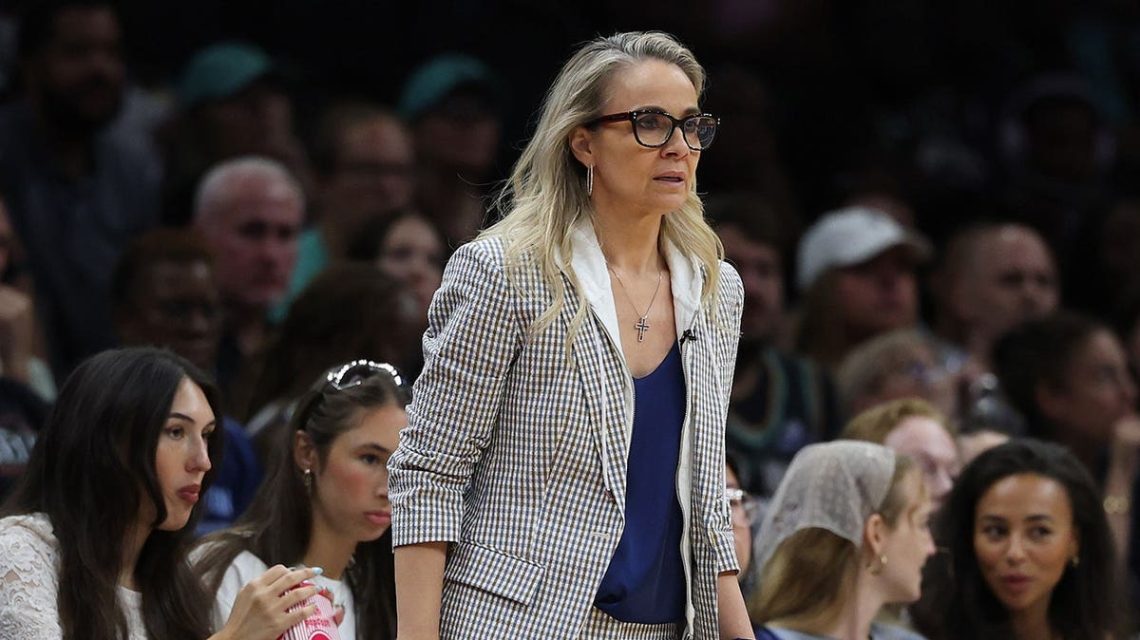
A notable incident was a WNBA game between the Las Vegas Aces and the New York Liberty, aired nationally on a Sunday afternoon. This clash featured teams with championship aspirations. Yet, the Aces’ coach, Becky Hammon, made surprising changes to the lineup. Her decision involved leaving key players — A’ja Wilson, Chelsea Gray, and Jackie Young — out of the game entirely, utilizing Jewell Loyd, Dana Evans, and Brianna Turner instead.
Becky Hammon’s Stand
Many interpreted Hammon’s lineup change as a protest against the rigorous schedule that had her team playing consecutive games on the road. Hammon defended her choice, prioritizing the “health and safety of players.” She emphasized the importance of a broader strategic view, choosing to accept a loss if it meant protecting her players for future games.
“The health and safety of players comes first,” Hammon stated, stressing the significance of ensuring players could recover between games.
The Aces had played against the Minnesota Lynx just the day before, where their main players logged extensive minutes. This quick turnaround, coupled with travel, led to Hammon’s protective strategy, even if it meant playing without her stars in a national TV game.
Understanding Back-to-Back Game Guidelines
The WNBA’s collective bargaining agreement specifies a minimum of a 22-hour gap between games when travel crosses no more than one time zone. This mirrors the approach seen in the NBA. However, the schedule was tight; the Aces played at 1 p.m. ET on Saturday and were back on the court at 12:30 p.m. ET the next day.
Meanwhile, the Lynx played back-to-back games at home, which presented fewer challenges than the Aces’ travel situation. Despite the circumstances, Liberty player Jonquel Jones acknowledged the competitiveness, saying teams must do what’s best for their athletes.
“They have to do what’s right for their team,” Jones noted, recognizing the importance of considering players’ well-being.
With plans for the league to expand, including a 50-game season, the complexities will only increase. Hammon’s decision is not just about immediate strategies. It could also reflect her stance that player welfare should take precedence over national exposure or league guideline boundaries.
 Ben Simmons Hints at NBA Return with Reflective Instagram Post
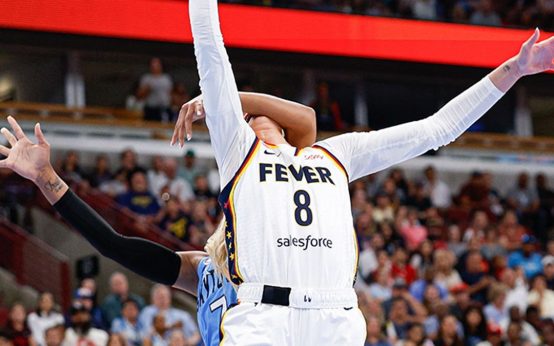
  Indiana Fever’s Caitlin Clark Involved in Technical Foul Drama While Setting Milestones
  Controversy Surrounds Foul and Coach’s Reaction in Indiana Fever Game
  Teddy Bridgewater Retires Again: Detroit Lions Adjust to Roster Change
  Challenges Surrounding the New Highmark Stadium
  Chicago White Sox Triumph Over Cleveland Guardians in Eventful Game