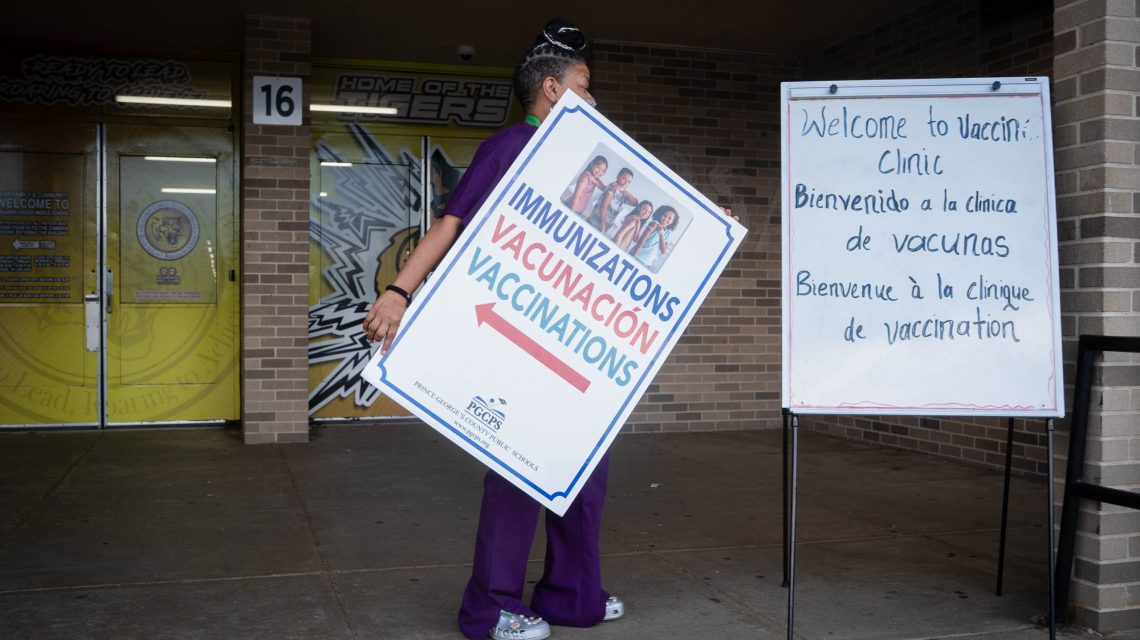
The United States recently surpassed a concerning milestone. As of July 23, measles cases reported to the Centers for Disease Control and Prevention are at their highest since 1991. This increase happened in less than seven months, overtaking the previous three-decade high. Despite the availability of vaccines, more than 4,850 people have been infected in the past year, resulting in three deaths, including two unvaccinated girls in West Texas. Their deaths received national attention.
The continued rise in cases should not be seen as normal and ignoring it poses significant risks. Historically vaccine-preventable diseases have returned with severe consequences when vigilance lessens. After changes in immunization policies, some nations experienced outbreaks of diseases like rubella and diphtheria, leading to severe health issues in children and adults. Modern medicine has its limits, and some conditions, such as polio-induced paralysis, cannot be reversed.
There has been a shift in government perspectives on vaccinations. Reports indicate that Robert F. Kennedy Jr. and President Donald Trump have altered a decades-old government stance on encouraging vaccinations, fostering skepticism instead. Recent executive orders further fuel doubts about vaccinations for diseases like measles, mumps, and rubella. Historically, bipartisan support built vaccination programs that protected children from these diseases, with policies refined from previous outbreaks. Measles typically re-emerge when immunization rates decline, and some U.S. schools have responded by establishing vaccination clinics due to reduced immunization levels.
Long-term access to vaccines is under threat. Changes considered by Kennedy to an essential government program might lead vaccine producers to exit the U.S. market, potentially leaving willing parents without options. An official from the Department of Health and Human Services mentioned the importance of transparency and information sharing to rebuild trust. However, those involved in vaccination programs express concerns over America’s future, worried about children facing diseases once deemed eradicated.
Dr. Melinda Wharton, retired from the CDC after over thirty years, expressed her disbelief at the severity of the situation. Doctors are encountering illnesses previously only seen in textbooks. A German doctor shared the experience of treating an unvaccinated child who died of diphtheria, reflecting the reality of diseases once considered history in the U.S.
Past reports have explored the influences contributing to this situation. In 2020, coverage focused on the impact of COVID-19, examining how public health trust was eroded, opening the door for figures like RFK Jr. to gain traction. Suppressed CDC forecasts highlighted the ongoing vulnerability to measles amidst decreasing vaccination rates. These missed opportunities emphasized the importance of public awareness on vaccination necessity to prevent diseases from spreading.
Developments showcase challenges to the vaccine system. Planned changes to a compensation program for vaccine side effects could lead manufacturers to withdraw from the U.S. market. The vulnerability of this system requires careful attention. In March 2026, potential future scenarios depicted the severe impacts of vaccine unavailability on diseases like polio and measles. Though the Department of Health and Human Services expressed continued support for vaccinations, further transparency and action are essential.
As measles cases rise, the CDC examines the possibility of measles becoming endemic once more. Genetic analysis forms part of a broader investigation. A CDC representative emphasized that genetic data alone is inconclusive regarding the endemic status of measles. Ongoing efforts aim to address these complex challenges and protect public health.
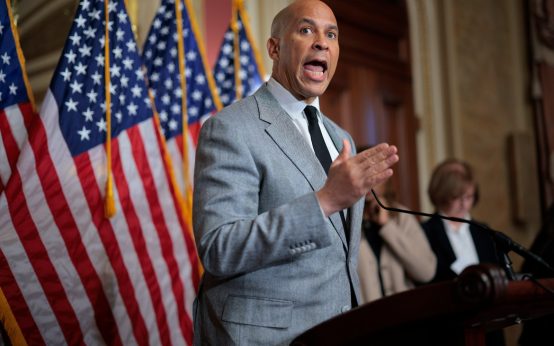 Senate Proposal Aims to Extend Nutrition Assistance for Low-Income Mothers
 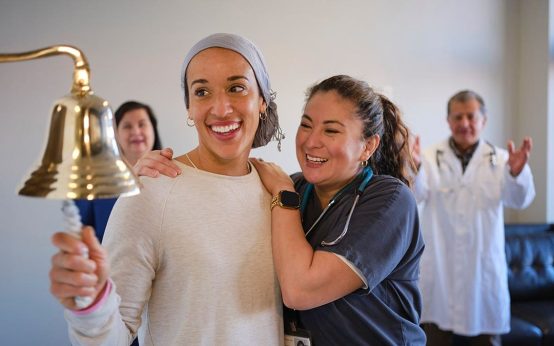 Rise in Cancer Treatment Delays in the U.S.
  Baby with Rare Heart Condition at Center of Legal Battle Receives Surgery
 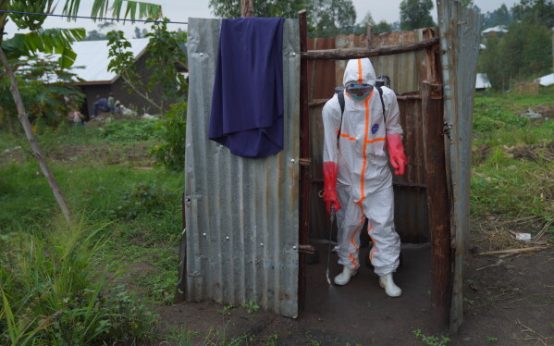 Kindergarten Vaccination Rates and Rising Exemptions
 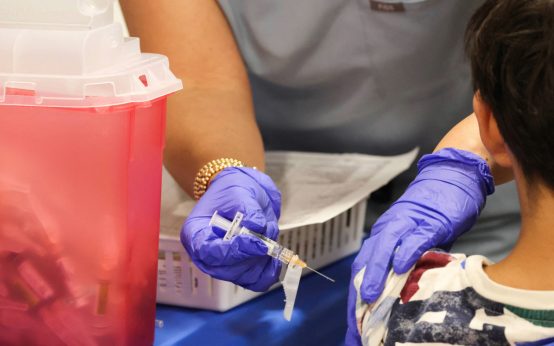 Kindergarten Vaccine Exemptions Reach Record High Amid Ongoing Measles Epidemic
  California Bill to Mandate Disclosure of Chemicals in Diapers