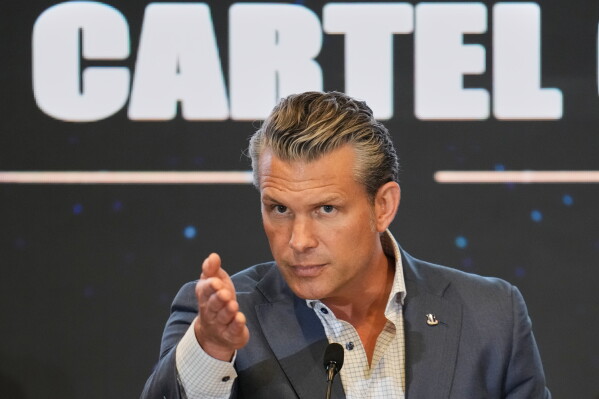
The U.S. military’s actions have resulted in numerous deaths as it targeted vessels suspected of transporting drugs along the Caribbean and Pacific coasts of Latin America. With a new focus on land operations, the Trump administration aims to collaborate with allied countries in the region to carry out military activities.
Defense Secretary Pete Hegseth announced agreements with Colombia, Guatemala, and Honduras to conduct joint military operations against criminal groups. Ecuador had already begun similar missions with the U.S. earlier in the year. Guatemala, however, denied any such arrangement.
Hegseth remarked during a military exercise in Panama, “It will be similar to the boat strikes on land,” aligning with Ecuador and Colombia in combating designated terrorist organizations.
This move represents an effort by the Trump administration to reinforce American dominance in the Western Hemisphere by enlisting Latin American governments as partners. Increasingly, leaders who align with Trump’s agenda are elected, providing willing collaborators. However, there are concerns that expanding U.S. military activities could lead to civilian casualties and provoke long-term resentment.
Michael Shifter of the Inter-American Dialogue observed, “It projects power, but this is not true cooperation, showing a lopsided relationship.”
The U.S. has long been active in Latin America, supporting allies with military resources and training since President Trump returned to office. The administration’s designation of 20 criminal groups as foreign terrorist organizations and military actions in Venezuela reflect a significant interventionist approach.
Despite over 200 deaths in more than 60 naval strikes, skepticism remains regarding the legality and effectiveness of these operations. Expanding to ground operations with local forces introduces new challenges concerning national sovereignty.
Details about these joint operations remain sparse, though in Colombia, U.S. involvement against guerrilla groups like the National Liberation Army has been suggested following requests from Colombia’s President Abelardo de la Espriella.
Ecuador exemplified direct U.S. military cooperation despite public opposition to foreign military bases. The New York Times reported that a purported drug lab strike destroyed a cattle farm instead.
While some Latin American leaders support aggressive strategies against crime, others like Guatemala’s President Bernardo Arévalo resist without legislative approval, indicating no consensus to the extent of U.S. military participation.
Mexico, an essential country in drug trafficking, has refrained from requesting U.S. military intervention. President Claudia Sheinbaum, while cooperative in security matters, has avoided ceding military control to the U.S.
Adam Isacson from the Washington Office on Latin America highlighted uncertainty about the implementation of “joint operations.” Governments, regardless of their political stance, remain wary of compromising sovereignty.
Expert opinions on the military strategy vary. Some suggest it may function as a political show of force, serving to reinforce U.S. influence after setbacks elsewhere. Others, like Jeremy McDermott of InSight Crime, warn that military actions could push organized groups to integrate further into local communities, complicating conflict resolution.
Ultimately, increasing U.S. military involvement poses profound questions about how much autonomy Latin American voters are willing to forfeit for security, even among those aligned with Trump’s policies.
Sonia Pérez D., Marlon González, and Astrid Suárez contributed to this report.
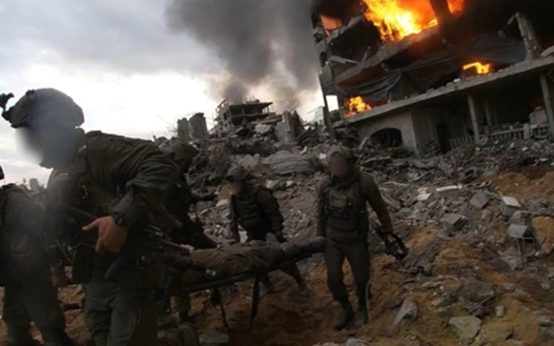 Advancements in Israeli Military Medicine Aid U.S. Efforts
 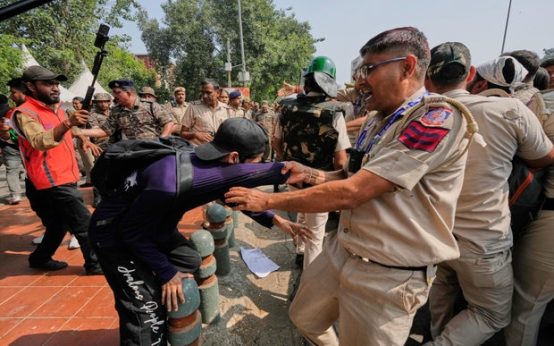 Mass Arrests in New Delhi During Protest Against Voter List Revision
  Concerns Over Russia’s Biological Weapons Programs
 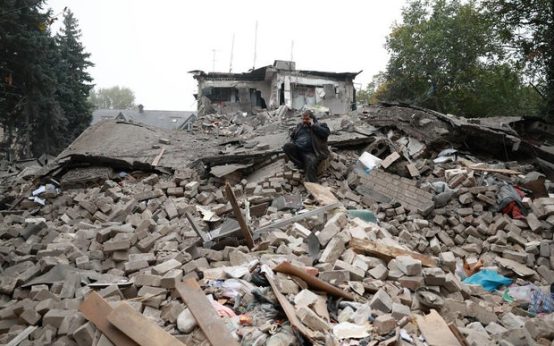 Russian Strikes Result in Casualties Amid Diesel Deal Controversy
 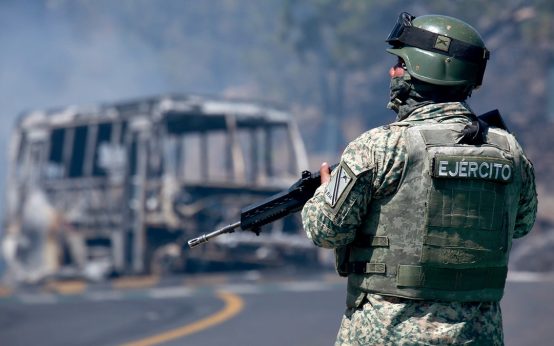 Cartel Dynamics Shift Amid Changing Political Landscape
 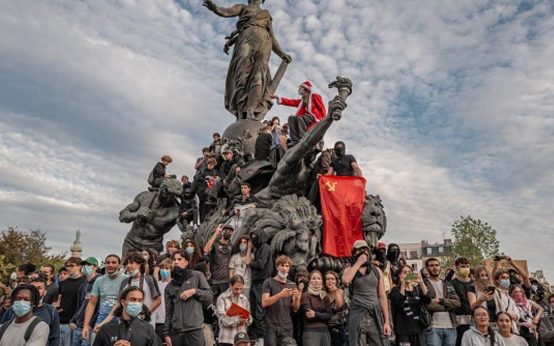 Investigating France’s Student Protests: A Web of Far-Left and Socialist Influences