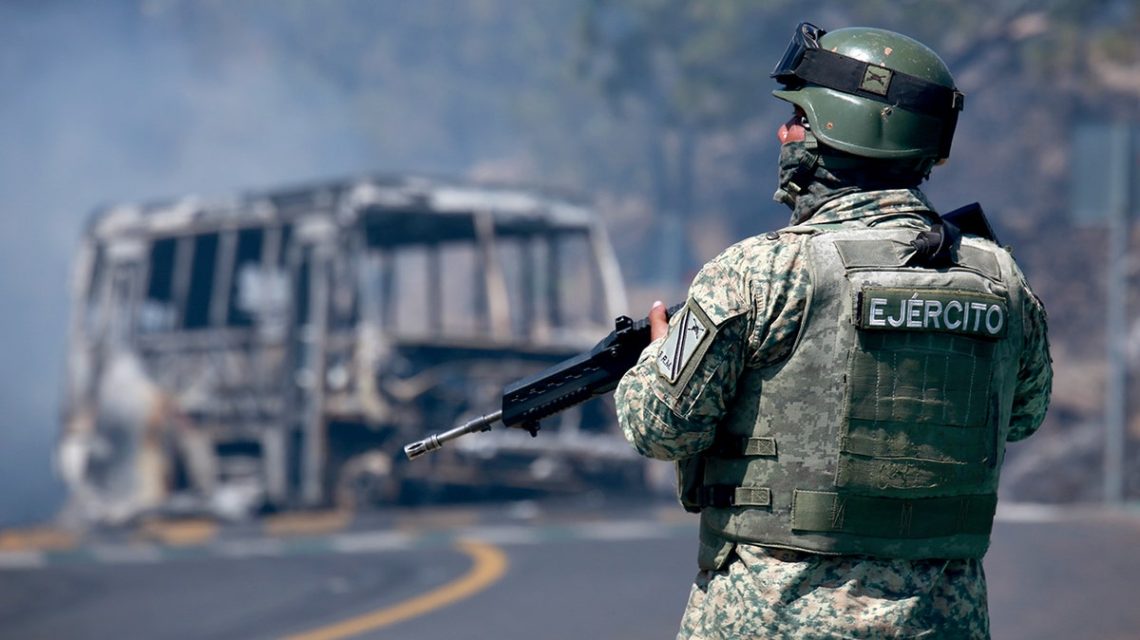
The Trump administration has approached the Western Hemisphere as a security challenge, prioritizing action over diplomatic formality. A significant player, Venezuelan strongman Nicolás Maduro, is now under U.S. custody. In Colombia, the election of Abelardo de la Espriella, opposed to negotiating with armed groups, indicates a shift in policies. Countries like Argentina, Chile, Ecuador, and Paraguay have aligned with U.S. enforcement strategies. The Shield of the Americas coalition facilitates intelligence and operations against cartel networks, though Mexico, Brazil, Cuba, and Nicaragua remain exceptions.
This marks a major shift for the Sinaloa cartel, CJNG, and the Colombian and Venezuelan networks supplying them. Cuban Secretary of State Marco Rubio stated that the Cuban regime is collapsing. Since 2021, about 20% of Cuba’s population has left. Essential services are failing, and the government now primarily focuses on imprisoning dissenters. Although it’s uncertain if the Castro regime will fully collapse by December, Cuba is no longer a reliable partner for logistics or intelligence.
In Mexico, President Claudia Sheinbaum’s Morena government maintains limited bilateral contact with Washington and remains outside the regional coalition due to fear of U.S. operations within the country. If Flávio Bolsonaro wins in Brazil, Sheinbaum’s regional support diminishes further, raising diplomatic costs for harboring drug lords. Cartels are adapting to these changes.
Spanish police dismantled a CJNG-linked cell that moved 2.5 tons of methamphetamine in a unique method: dissolving it in vanilla aroma. This demonstrates the cartels’ adaptation to treated Europe as a synthetics market. Colombian President de la Espriella has ended previous administrations’ negotiations with armed actors. U.S. pressure has intensified on Venezuelan airspace and ports, previously protected by the Cartel de los Soles network. U.S. operations targeting drug trafficking routes in the Eastern Caribbean have resulted in decreased drug traffic despite earlier assistance to these networks.
The changing environment has increased violence among cartels. Mexican authorities arrested ex-Colombian soldiers in Michoacán after their involvement in attacks on Mexican troops. These individuals are not aligned with former Colombian President Gustavo Petro; instead, they are mercenaries hired for conflict expertise.
According to reports, cartels use commercial quadcopters to drop explosives, illustrating a more advanced use of technology in their operations.
Some individuals have attempted to infiltrate Ukraine’s International Legion, suggesting that skills acquired there are useful in their home regions. One such example involved an alias, Águila-7, who raised suspicion in Lviv for their expertise. Such knowledge gained in conflict zones easily transfers back to cartel operations in the Americas.
In Tijuana, there have been reports of drones with explosive devices being used against targets. Such incidents are increasingly common, and drone technology is seen as a cost-efficient way to maintain advantage over rivals or law enforcement. With President Sheinbaum’s government facing isolation, three possible trends could emerge.
- Expansion into legitimate business fronts: The cartels are investing in areas like avocado orchards, fuel theft, mining extortion, and chemical imports.
- Escalating violence in contested territories: Disruptions in leadership can lead to increased ambushes and conflicts.
- Investment in bribery and extortion: As cartels lose geographical sanctuary, they may resort to bribery, increasing pressure on compromised officials.
The situation does not require a complete Cuban collapse or evidence of ex-Colombian forces working for cartels. Latin America’s political shifts, U.S. anti-drug efforts, and changes in Europe all impact cartel dynamics. Cartels might trade territory for strategic influence through laboratories, drones, and corruptible officials. The effectiveness of the Shield of the Americas coalition is tested by how quickly it can curtail these cartel operations compared to how fast the cartels can adapt.
Chuck DeVore is a vice president with the Texas Public Policy Foundation, a former California legislator, a retired U.S. Army lieutenant colonel, and the author of “Crisis of the House Never United.”
 Concerns Over Russia’s Biological Weapons Programs
 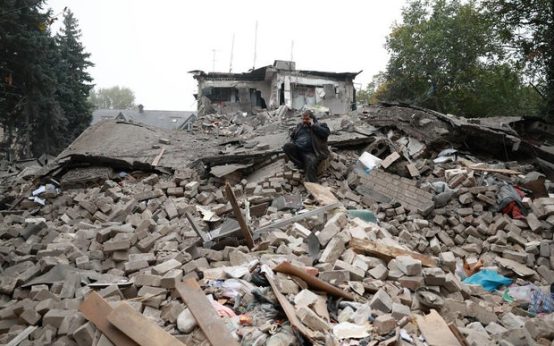 Russian Strikes Result in Casualties Amid Diesel Deal Controversy
 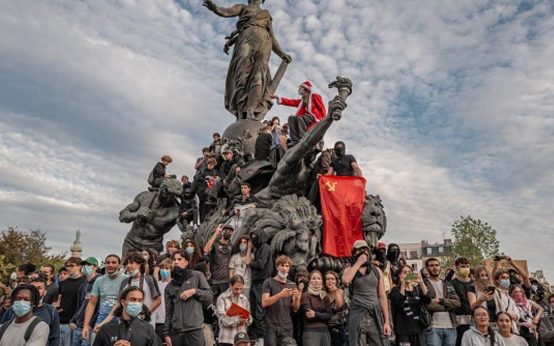 Investigating France’s Student Protests: A Web of Far-Left and Socialist Influences
  Recovery of Stolen Renoir Paintings
  Washington’s Strategic Choices Amidst Gulf Tensions
  Nobel Peace Prize Awarded to Navi Pillay