The United States and Canada, long-standing allies with an undefended border, have entered into a deepening trade conflict characterized by accusations and new tariffs. This situation is expected to raise product prices in both countries. Negotiations in Washington collapsed on a Friday, leading the U.S. to impose 50% tariffs on $20 billion of Canadian goods. In response, Canada set a starting date of September 8 for its own penalties.
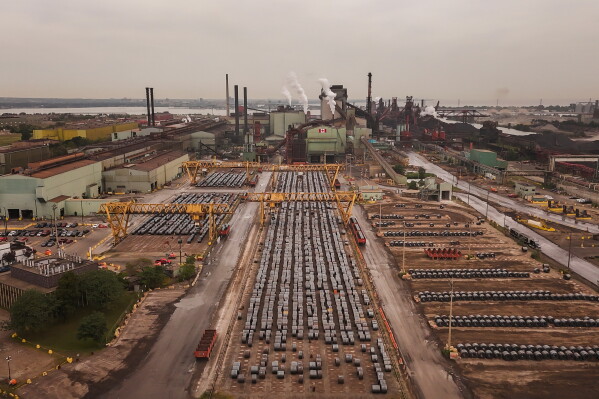
President Donald Trump’s tariffs target around 5% of Canadian exports to the U.S., covering items like hockey sticks and medical equipment. In response, Prime Minister Mark Carney announced Canada’s targeted tariff protection for industries affected by new U.S. duties. These sectors include steel, dairy, appliances, agricultural equipment, pulp and paper, and electronics. No further negotiations are planned, and a loss of trust between the two countries has already occurred.
Prime Minister Carney accused the U.S. of using economic integration as a tool of coercion, calling the new American tariffs an attack. He emphasized Canada’s readiness to respond with its resources and planning. In Ottawa, Canada’s trade strategy against the U.S. tariffs was discussed during a news conference.
From the American side, U.S. Chief Trade Negotiator Jamieson Greer explained that the action was a consequence of ongoing retaliation by Canada. The U.S. aims to protect its workers and supply chains, according to statements on ‘Fox & Friends Weekend.’ Canada blamed the breakdown on unacceptable demands from the U.S., while the U.S. claimed to have offered significant tariff reductions on sensitive items like steel, autos, and lumber.
Prime Minister Carney revealed that Canada’s willingness to drop retaliatory tariffs on steel, aluminum, and autos was contingent on significant U.S. concessions. However, the U.S.’s final demands were seen as excessive. Ontario Premier Doug Ford supported Canada’s decision to reject the deal, citing potential negative impacts on Ontario’s auto, steel, and manufacturing sectors.
The dispute raises questions about the future of the North American trade agreement, crucial for multiple industries across the U.S., Canada, and Mexico. Carney noted that recent disagreements provide new insights into Washington’s economic relationship goals. Despite a history of cooperation, tensions have now reached a point where potential political impacts may overshadow economic concerns.
Historically, the U.S. and Canada have maintained strong trade relationships, with significant daily exchanges across their border. However, President Trump’s tariff policies represent a major shift from past cooperative interactions.
In Canada, public frustration with current U.S. policies has grown. A petition to remove U.S. Ambassador Pete Hoekstra has gained nearly 248,000 signatures, reflecting dissatisfaction with Trump’s rhetoric.
Both countries have incentives to find common ground. Almost 72% of Canada’s exports go to the U.S., while American voters face concerns over increasing living costs. Business leaders like Joshua Bolten, CEO of the Business Roundtable, stress the risks of tariffs and urge both governments to re-engage in dialogue.
Trump has relied on old trade regulations, including Section 338 of the Tariff Act of 1930, to justify the new tariffs. This section allows tariffs of up to 50% against nations seen as discriminatory toward U.S. businesses. It has not been used before to impose tariffs and is associated with economic downturns like the Great Depression.
As negotiations for a new trade agreement with Mexico continue, the escalating conflict with Canada raises doubts about similar discussions occurring between the U.S. and its northern neighbor.
 Feud and Legal Battle in New York Family Dynasty
 Political Shifts and Concerns Post-Midterms
 Death Toll Rises After Krakow Shooting
 Villa Vie Odyssey Faces Legal Challenges After Halting Operations
 Trump Shares AI-Generated Video Featuring UFC Personalities
 Suspected Shooter in Krakow Dies After Hospitalization