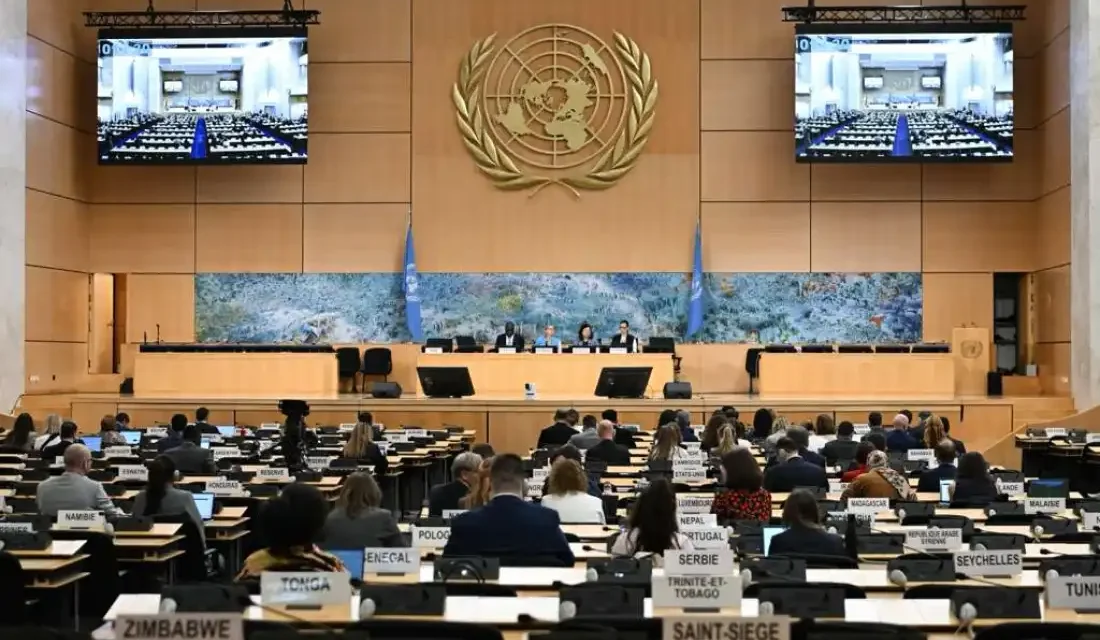
The U.N. Human Rights Council convened at the Palais des Nations in Geneva on September 30, 2026. The United States continued its boycott of the essential human rights review, marking its absence for a second consecutive year. This makes the U.S. the sole member state to have ever abstained from this process entirely.
Overview of the Universal Periodic Review
The universal periodic review aims to achieve comprehensive human rights evaluation for each nation. Every 4-5 years, member countries undergo an appraisal facilitated by their peers to ensure accountability in their human rights records. Besides governmental representatives, civil society groups contribute evidence, spearheaded by entities such as the American Civil Liberties Union (ACLU).
Reactions to the U.S. Stance
In Geneva, Jamil Dakwar, human rights director for the ACLU, criticized the current U.S. administration for ongoing human rights violations, highlighting issues concerning immigrants, student protesters, and the LGBTQ community. Dakwar urged the U.N. to demand accountability from the U.S., accusing the Trump administration of aiming to undermine human rights frameworks.
The U.N. must hold the U.S. accountable for its actions, stated Dakwar.
The State Department, in its written reply, reiterated Washington’s formal withdrawal from the council, accusing it of fostering anti-American sentiment. However, leaving the council does not exempt the U.S. from participating in the obligatory review process mandated for all 193 U.N. member nations.
Implications of the U.S. Withdrawal
Human rights organizations view the U.S. boycott as part of a broader disengagement from multilateral entities, citing sanctions on the International Criminal Court and withdrawal from the World Health Organization as examples. The U.N. itself has limited options to penalize non-cooperating countries.
It is noteworthy that Israel once abstained from a 2013 review over perceived bias, but they returned for a rescheduled session. Until this instance with the U.S., no country had missed multiple reviews. Rights groups advocate for the U.N. to proceed with the review, accepting evidence of alleged violations despite the absence of U.S. representatives.
Concerns and Future Steps
Member states have prepared questions for the U.S. covering topics like the death penalty and abortion rights. However, some U.N. officials caution against continuing the review without U.S. participation as it might inspire other nations to bypass the process.
Even authoritarian nations such as North Korea partake in these reviews. Allowing the process to continue without U.S. input risks setting a precedent for member states to potentially ignore future reviews, leaving rights groups to present findings in a ‘vacuum.’
The U.N. has opted to delay its response strategy considerations until early next year. This deferral leaves a vital mechanism for addressing human rights grievances inaccessible to U.S. citizens, described by a Geneva activist as ‘a crisis of accountability.’
 Massachusetts State Police Settlement with Karen Read and Other Major Political News
 Jim Jordan’s Journey from Wrestling Mat to Political Arena
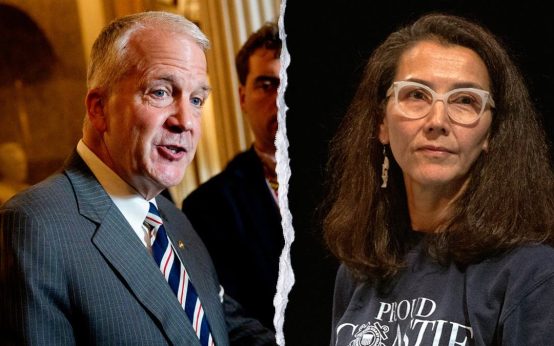 Alaska Senate Race Unresolved as Close Contest Continues
 Defense Secretary Pete Hegseth Faces Possible Impeachment
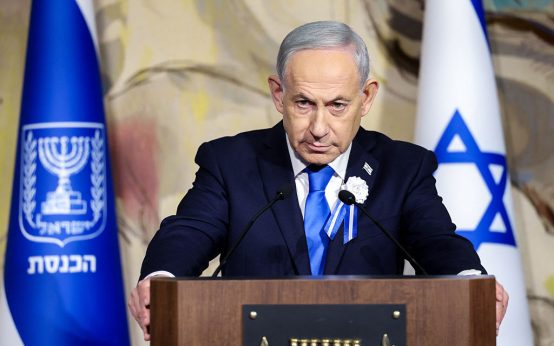 Israeli Government Formation: Challenges and Prospects
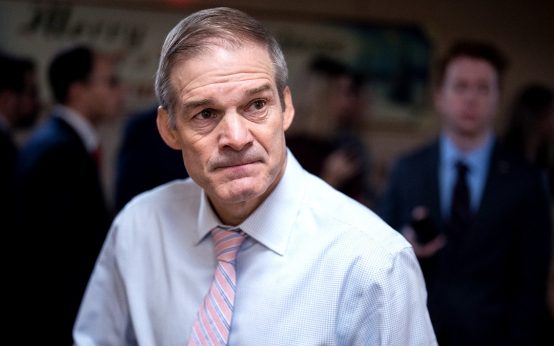 Jim Jordan Wins House Minority Leader Position