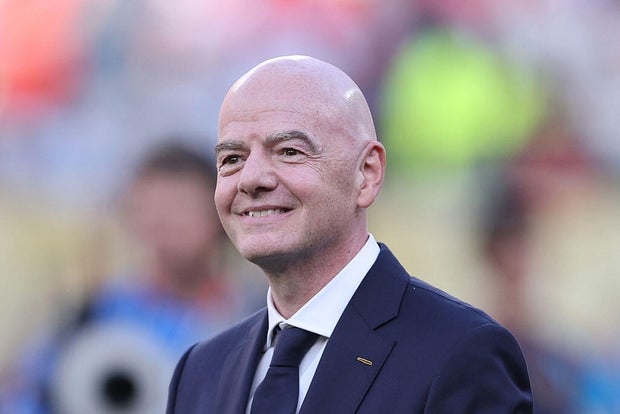
Efforts to halt Gianni Infantino’s proposal to sell World Cup profits to private investors marked the beginning of a tense conflict in international soccer politics. The situation intensified when UEFA, led by its president Aleksander Čeferin, expressed a strong desire to challenge Infantino’s long leadership.
UEFA’s statement, released after FIFA withdrew its private equity plan, criticized the lack of transparency and urged accountability. Conceived ideas without stakeholder input were questioned, noting the necessity for collaboration among associations to prevent recurrence.
Infantino’s $20 billion company proposal involved private investors running the World Cup. Following significant backlash, with UEFA, North America’s CONCACAF, and the Asian Football Confederation opposing the plan, he abandoned the proposal. The resignations of top advisors and public comments from FIFA’s chief operating officer highlighted dissatisfaction and called for reevaluation.
We cannot keep going on like this with secret schemes on fast-track timescales, cooked up by faceless individuals and of dubious benefit to the game.
UEFA voiced strong disapproval of the secretive nature of the deal.
Infantino’s vision included dividing commercial operations into a $20 billion subsidiary, partially owned by private investors, involving New York-based firm led by Joshua Kushner. This scheme followed past controversial proposals by Infantino, like the 2018 SoftBank deal and the 2021 biennial World Cup plan, both abandoned amidst discord.
Despite re-elections in 2019 and 2023, the situation today signals a potential turning point. November 18 is the deadline for the next presidential election nominations, with voting scheduled in Rabat, Morocco. FIFA rules allow Infantino another term, though the spinoff plan seemed a strategy for extending his influence beyond 2031 with lucrative benefits.
Determining leadership requires 106 votes for a majority in a contested election. While continental votes rarely align uniformly, UEFA’s 55 members, Asia’s 46, and CONCACAF’s 35 could form a pivotal base.
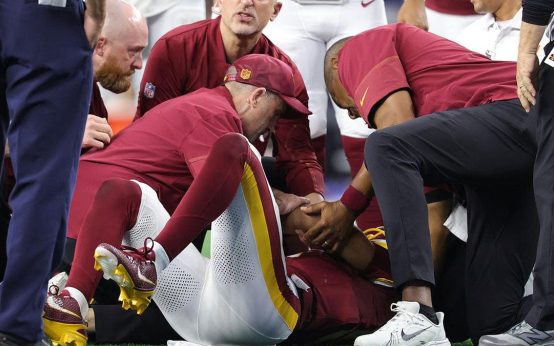 Washington Commanders Face Major Setback as QB Jayden Daniels Suffers Elbow Injury
 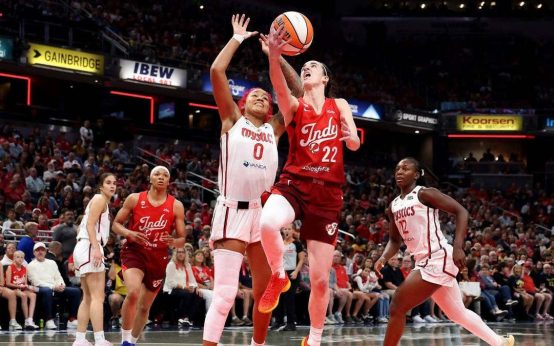 Indiana Fever’s Struggles Against Washington Mystics
 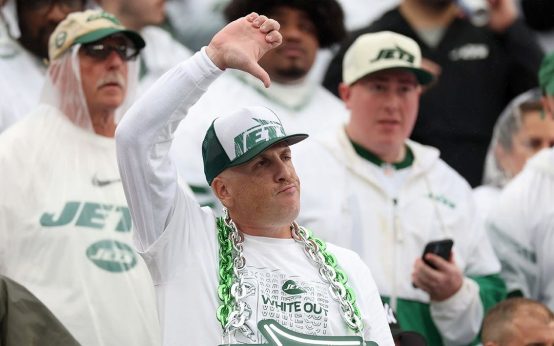 New York Jets Fall to Green Bay Packers After Fourth-Quarter Collapse
 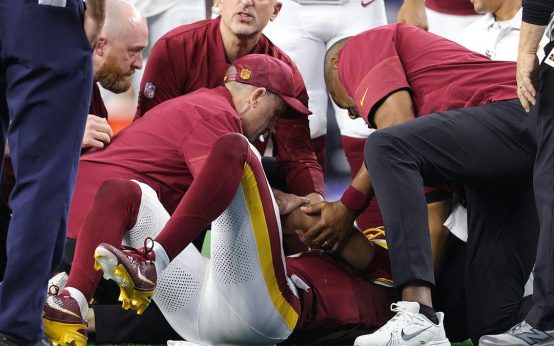 Washington Commanders’ Jayden Daniels Faces Potentially Season-Defining Elbow Injury
 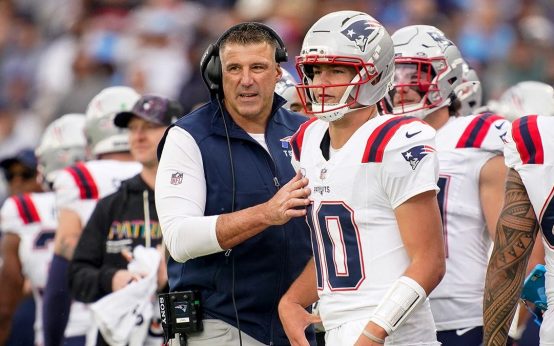 Patriots Secure Win Against Steelers Amid Quarterback Questions
 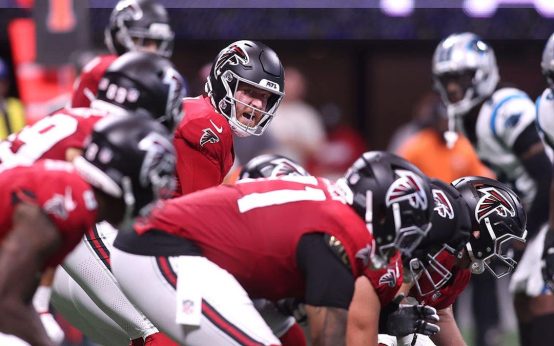 Atlanta Falcons’ Quarterback Struggles Continue