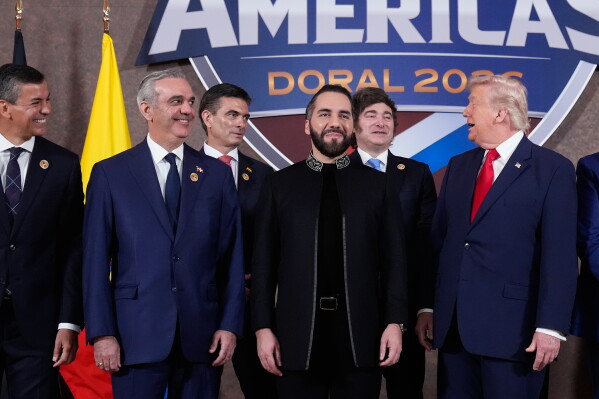
The United States and Iran have agreed to an interim deal aimed at tackling the contentious issue of Iran’s nuclear program. President Donald Trump has stressed that preventing Iran from developing a nuclear weapon is a major priority. This is a significant reason why he and Israel initiated military actions in February. However, the agreement provides limited time for negotiations on this long-standing problem.
The previous nuclear agreement, known as the Joint Comprehensive Plan of Action (JCPOA), took extensive time to negotiate. Details about the current interim deal, expected to be signed in Switzerland, remain sparse. The deal reportedly aims to reopen the Strait of Hormuz to global oil shipments and promises Iran financial incentives upon meeting certain conditions. It grants a 60-day period for discussions to resolve the nuclear dispute.
There is skepticism from both the Republican and Democratic parties, as well as Israel, about the feasibility of this deal facilitating genuine progress in nuclear talks. Senator Lindsey Graham of South Carolina, an ally of Trump, expressed doubts about Iran’s intentions, stating that a successful deal would involve no nuclear enrichment by Iran.
David Schenker from the Washington Institute for Near East Policy remarked on the complexity of negotiating such agreements. The Trump administration has shown some confidence, with Vice President JD Vance emphasizing that Iran must take concrete steps to dismantle its nuclear program to receive benefits.
Iran has long claimed that its nuclear pursuits are peaceful. It’s important to note that the 2015 JCPOA took over 18 months to secure, involving intense negotiations by U.S. officials, including Secretary of State John Kerry and Energy Secretary Ernest Moniz. In exchange for curbing uranium enrichment and other nuclear activities, Iran received significant sanctions relief.
Trump withdrew from the JCPOA in 2018 before it fully addressed core concerns, and there is limited indication now that Iran will offer substantial new concessions. The JCPOA required technical precision and expert involvement, aspects the current deal must also navigate.
Many Republicans, including Senator Ted Cruz, believe that any nuclear deal should receive Congressional approval. Senator John Kennedy of Louisiana voiced little confidence in Iran’s commitment to any agreement. However, Senator Roger Marshall saw potential advantages in a tight negotiation timeline, given Iran’s history of stalling tactics.
Senator Tim Kaine outlined the challenges ahead for Trump’s negotiators, highlighting the solid foundation left by the Obama-era talks. Despite these challenges, some officials believe that previous groundwork might ease current negotiations.
Envoys Jared Kushner and Steve Witkoff faced challenges in their early negotiation efforts, particularly after attacks on Iranian nuclear sites increased tensions. Pakistan has since been playing a larger role in facilitating talks.
Beyond nuclear issues, other concerns persist, like Iran’s ballistic missile program and its influence in regional conflicts. It remains uncertain whether these topics will be included in future agreements.
As experts weigh in, Brian Katulis from the Middle East Institute suggested that while any agreement is preferable to further conflict, it must aim to address the broader challenges in the region.
 Venezuelan Migrant Arrest in Texas Sparks Outrage
  Senator Calls for Halt in Diesel Exports Amid Rising Fuel Costs
  Lukashenko and Putin Share Light Moments While Strengthening Ties
  Kamala Harris on Possible 2028 Run Highlights Midterm Importance
  Lawmakers Urge End to U.S. Military’s Drug Boat Strike Campaign
  Investigation into Far-Left Groups Organizing Protests