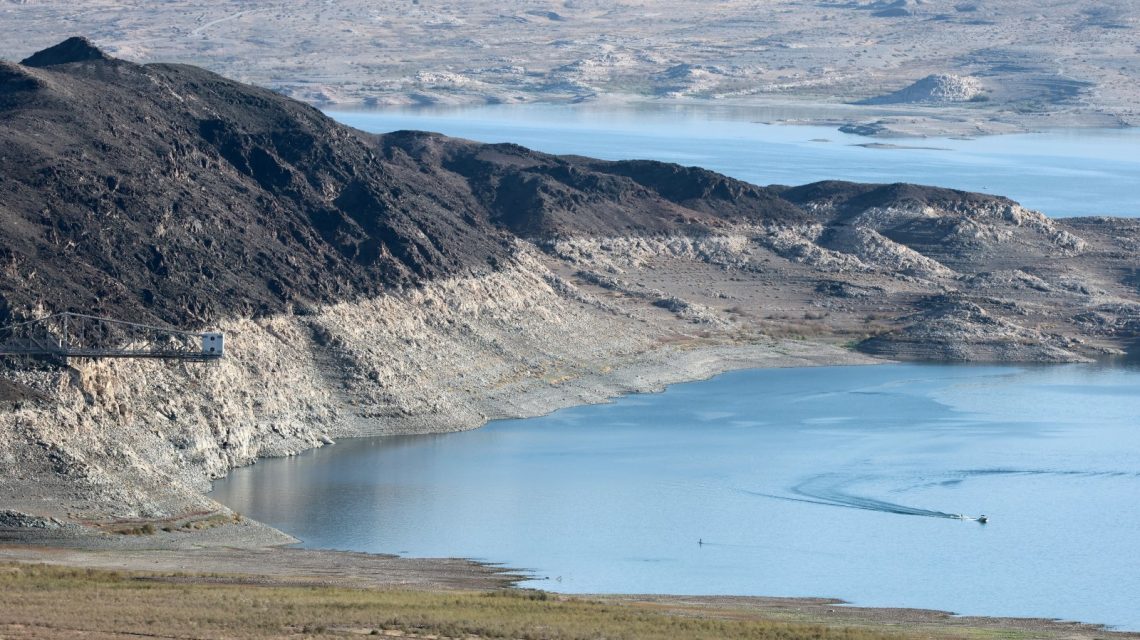
A bipartisan group of House lawmakers is pressing congressional leaders to allocate emergency funding for the Colorado River in an upcoming supplemental appropriations package. They express alarm about worsening drought and declining reservoir levels that pose threats to water, agriculture, power supplies, and industry in the region.
In a July 17 letter addressed to key congressional figures, Representatives Andy Biggs of Arizona and Dina Titus of Nevada emphasize the urgent need for action. They argue that any spending package aimed at strengthening national security should also address vulnerabilities in the Colorado River Basin, highlighting its significance in supporting millions of residents.
Urgent Federal Investments Needed
The letter underscores the necessity for federal investments to enhance water supply resilience and reduce consumptive use across the basin. Lawmakers stress the river’s vital role, with one in ten Americans relying on it for drinking water and 90% of U.S. winter produce crops depending on its resources.
Additionally, the Hoover and Glen Canyon dams supply electricity to 2.5 million people. The river system, including parks and recreation areas, contributes over $26 billion annually to the outdoor economy. Lawmakers also highlight the river’s connection to national security, supporting industries like advanced manufacturing, aerospace, and defense.
Natural flow measurements on the river’s main stem and tributaries have decreased by 20 percent compared to 20th-century levels. Biggs emphasizes the issue as a nationwide concern. “For desert dwellers, nothing is more important than protecting and cultivating our water resources,” he stated, emphasizing the broader impact beyond just Arizona and the West.
Funding Shortfalls and Critical Projections
Although Congress allocated $4 billion for drought mitigation under a 2022 law prioritizing the Colorado River Basin, less than $100 million remains. The lawmakers cite projections indicating unseasonably high spring temperatures and record-low snowpacks could lead to significant drops in water levels at Lake Powell and Lake Mead by the end of 2026.
Negotiations and Management Strategies
The funding request coincides with ongoing negotiations for a broader plan for Lake Mead and the Colorado River system. Interior Secretary Doug Burgum held a virtual meeting with governors from the seven states served by the Colorado River to discuss current conditions and future management strategies.
With current water-sharing agreements set to expire this year, states are attempting to negotiate new terms. Representative Dina Titus referred to Bureau of Reclamation projections indicating Lake Mead’s potential drop below its 2022 record low, warning of further declines by mid-2028. She urged swift action to address this crisis, impacting millions reliant on the river.
The letter gained support from several representatives, including Melanie Stansbury, Elijah Crane, Gabe Vasquez, Greg Stanton, J. Luis Correa, Yassamin Ansari, Jim Costa, Adelita Grijalva, Abraham Hamadeh, and Paul Gosar.
 Communities Continuing Recovery from Hurricane Helene Explored through Graphic Novel
  Fat Bear Week 2026 Highlights: Meet the Competitors
 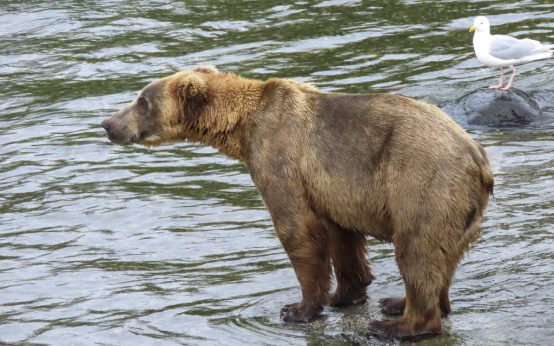 Annual Fat Bear Week Begins at Katmai National Park
  Understanding Hurricane Development
  California Prepares for El Niño-Fueled Storms with Emergency Declaration
  California’s Growing EV Adoption: Challenges and Benefits