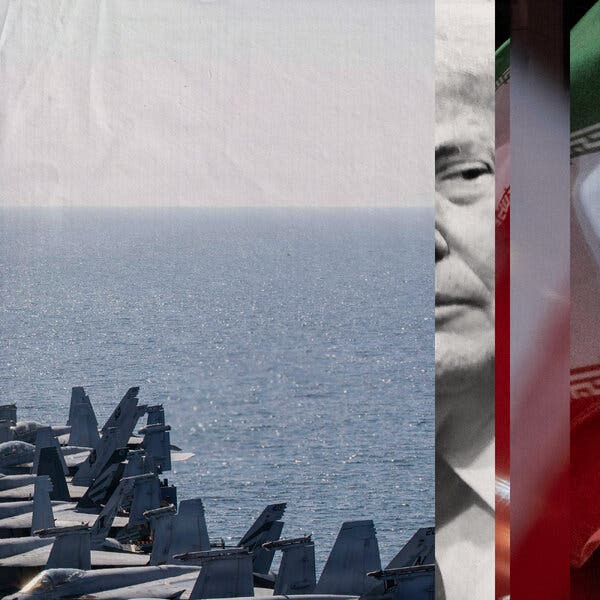
President Trump announced that the United States and Iran have agreed on a memorandum aimed at ending hostilities. Despite this announcement, crucial details of the agreement remain unclear or unresolved.
Stephen Stromberg, an editor in Opinion, engaged with columnists David French and Nicholas Kristof, along with contributing writer Megan K. Stack, to delve into what the memorandum means for the United States, Iran, and the global order.
The Cease-Fire Agreement
The United States and Iran have maintained a fragile cease-fire since April. The official text of the new deal is anticipated to release by Friday. Currently, varied accounts of its contents are emerging.
Megan K. Stack highlighted that this cease-fire is significant as it may finally put an end to prolonged conflicts. Notably, the agreement may include cessation of the conflict between Israel and Hezbollah in Lebanon. Judging from statements by Iranian officials and Vice President JD Vance, Iran appears to gain financial concessions, such as access to a $300 billion reconstruction fund from Gulf countries.
Furthermore, according to an Iranian official, Iran will commit not to produce or acquire nuclear weapons, will refrain from further uranium enrichment, and will dilute its stockpile of enriched uranium. These actions, if realized, would represent substantial concessions from Iran.
Challenges Ahead
The initial steps could potentially lead to a long-term deal. However, the process of finalizing the agreement may be complex and demanding.
Nicholas Kristof expressed optimism that regional fighting might end or slow down and that the Strait of Hormuz may reopen. Yet, he cautioned that the memorandum does not address critical issues like Iran’s nuclear program and sanctions relief. Kristof remains skeptical that a comprehensive nuclear deal will result from this negotiation.
The Trump administration’s reluctance to publish the memorandum’s text might indicate a preference to keep certain concessions under wraps, raising questions about transparency.
In light of these considerations, the path forward involves navigating unresolved elements that could shape the stability and political landscape in the Middle East.
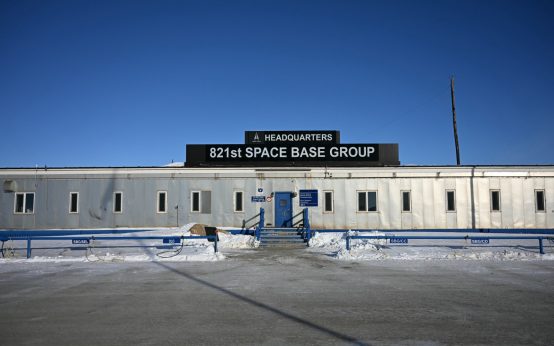 U.S. Military Expansion in Greenland
  The Autocratic Age: A Closer Look
  Venezuelan Migrant Arrest in Texas Sparks Outrage
 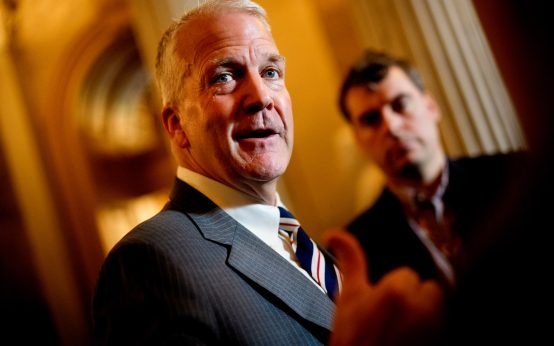 Senator Calls for Halt in Diesel Exports Amid Rising Fuel Costs
  Investigation into Far-Left Groups Organizing Protests
  Deadly Dispute Over Beach Chairs in Greece