
Countries around the world, including Taiwan, Canada, South Korea, Japan, Saudi Arabia, and several European nations, have begun questioning the reliability of the United States. Concerns have arisen due to perceived inconsistencies in American foreign policy, particularly under the leadership of President Donald Trump.
In recent interactions, some observers have noted that U.S. adversaries, even those with nuclear capabilities, seem to receive favorable treatment compared to longstanding allies. This perceived shift in relations underscores the uncertainty felt by nations that traditionally rely on American support.
A significant risk associated with this perceived unreliability is the potential for nuclear proliferation. As countries strive to ensure their own security and independence, they might explore unconventional methods, leading to increased efforts to develop or acquire nuclear weapons. The drive for self-reliance among allies could further complicate global security dynamics.
These developments have sparked discussions among global leaders, with frequent conversations centered around the stability and consistency of U.S. international commitments. The impact could lead to significant changes in strategies as countries reevaluate their alliances and defense postures.
 Tibet-Nepal Flood Crisis and its Wider Implications
  Pope Leo XIV’s Pilgrimage to Lourdes and His Stand Against Assisted Suicide
  Challenges in Negotiating an End to the Iran Conflict
 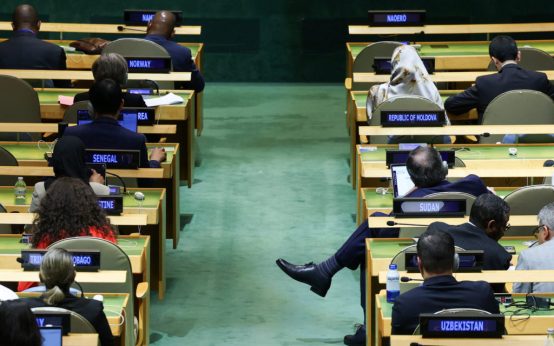 World Leaders Quote Diverse Sources at U.N. General Assembly
 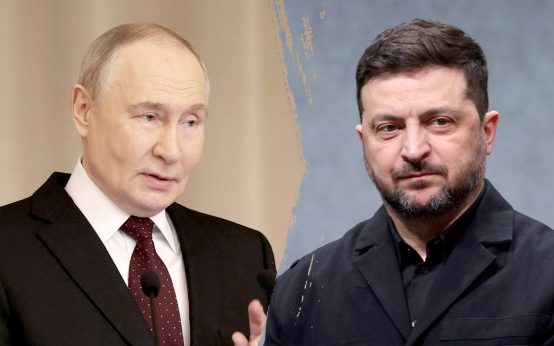 Dialogue for Peace: Ukraine-Russia Conflict and Diplomatic Efforts
 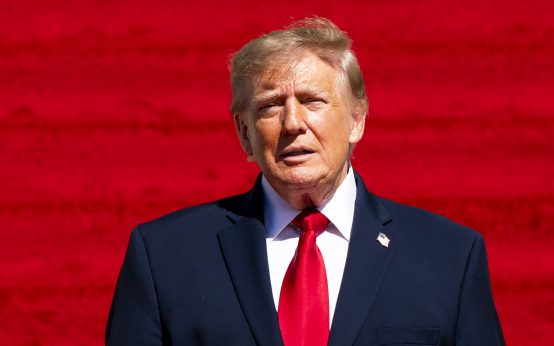 Trump Administration Shuts Down Refugee Program for Iranian Minorities Amid Rising Antisemitism Concerns